Everything You Need to Know Before Buying Ladies’ Watches in the UK
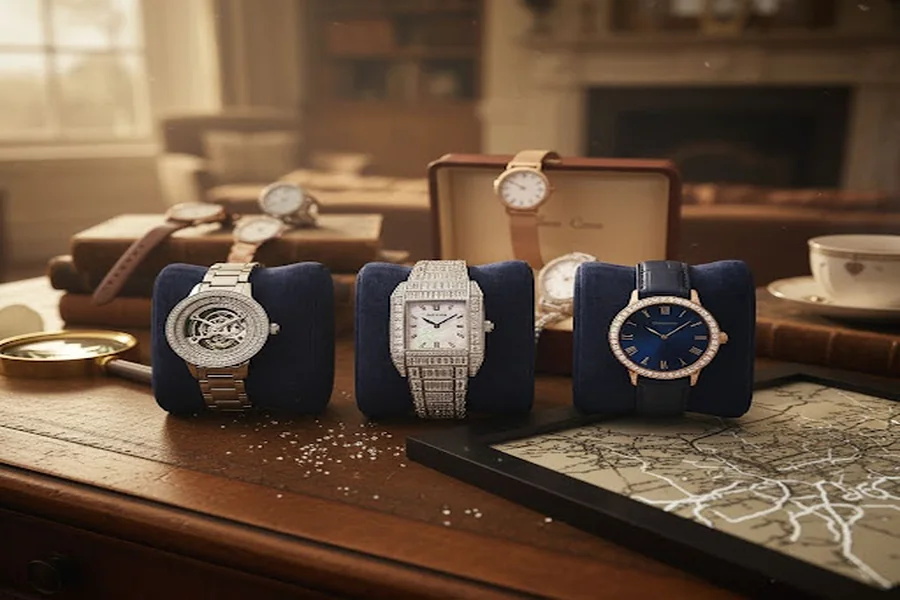
When most customers approach the decision of selecting timepieces, they often overlook how wrist circumference fundamentally alters not just fit but the entire look of a piece. I’ve observed women gravitating toward 28mm dimensions when their natural wrist size demands 36mm, simply because conventional wisdom suggests ladies should choose smaller options. This mistake in thinking creates an immediate disconnect between personal style and actual choice. The range of available watches extends from dainty 28-36mm classics to 40mm statement pieces, yet the fear of appearing too bold keeps many from exploring bigger than average designs that would actually suit their lifestyle better.
Fashion experts rarely discuss how jewellery preferences reveal everything about watch compatibility. Materials matter beyond surface appeal—stainless steel offers durability while titanium provides lightweight alternatives for those allergic to nickel. Leather strap options present classic sophistication but demand maintenance, whereas quick release straps allow experimentation with different materials including rubber, fabric, and cloth without requiring a spring bar tool. Understanding these practical elements transforms a purchase from impulsive to informed.
DIAMETER / SIZE
When I first started helping clients choose timepieces, I noticed something fascinating: women with wrist circumference around 14 cm often struggled between elegant small options and the easier to read larger alternatives. The diameter question isn’t just about fit—it’s about how the watch interacts with your wrist size and personal presence. A 28 mm dial might feel refined and dainty on smaller wrists, but that same dimension can appear almost invisible on someone with a bigger than average wrist.
I’ve watched customers try on small ladies’ watch models from the Hugo Boss collection and immediately gravitate toward small cocktail watches that measure 28-36mm—these sizes dominate what the vast majority of ladies find comfortable to wear. Yet here’s where conventional wisdom breaks down: some women with perfectly average proportions prefer the statement making impact of boyfriend watches reaching 42mm, while others with larger frames choose ultra-tiny 34 mm pieces. The Tommy Hilfiger multi-function casual watches at 36 mm prove this point—they’re noticeable without overwhelm.
COLOUR AND STYLE
Design and Identity
When you’re hunting for that perfect watch, the design speaks before you even glance at the case or movement. Colour isn’t just about matching your outfit—it’s about identity and aspiration. I’ve watched countless customers stand frozen between a gold case and a stainless steel one, not because they couldn’t decide on durability, but because each metal told a different story about who they wanted to be. Colourful dials have this power to shift a classic timepiece into something that makes a statement, while subdued steel options whisper rather than shout.
Material Choices and Modern Trends
The popular women’s watch market has exploded with variety—from lavish diamonds that catch light at every angle to minimalist faces that let the materials do the talking. Ceramic watches, especially white ceramic, bring this unique look that feels both luxurious and modern, a favourite among those who want designer cachet without the platinum price tag. Skin tight rubber straps in vibrant hues have changed how we think about sports watches, proving that function doesn’t mean sacrificing style. The watch person in me notices how titanium has become the go-to for those wanting lightweight sophistication—it’s that equally durable alternative that doesn’t sacrifice look for performance.
Practical Considerations
Different materials affect not just weight but the entire feel against your skin, and if you’re allergic to nickel, this becomes less about fashion and more about comfort. Leather strap watches carry this timeless elegance, though they require confidence to wear daily knowing wear and tear is inevitable.
Strap and Band Options
The choice between band, bracelet, or strap fundamentally alters your watch’s personality—interlocking links of metal create formality, while fabric or plastic options keep things affordable and fun. I’ve seen the Casio Vintage line prove that retro watches can feel entirely current when they fit the current fashion trend, their design elements working because they’re unapologetically themselves.
Finding Your Perfect Match
Range matters here—you want exploration through different styles rather than settling impulsively on the first shiny thing. The beautiful ladies’ watches that truly work are those where case options complement skin tone, where design factors align with your lifestyle rather than fighting against it. Blingy pieces with excessive sparkles might blind you initially, but consider whether they fill a gap or just add noise to your collection. Bare in mind that a classy 20mm dial in blue or with subtle diamonds can be more versatile than something screaming for attention. The bangin’ collection of digital Casinos someone owns tells you about their taste—they’re not afraid of dressy meeting tough, of retro feel mixing with modern engineering. Vanilla choices have their place when you’re building foundations, when you need that perfect addition that won’t compete but will complete your accessorised look. The stylish statement comes from knowing when to bold and when to understated, when your perfect timepiece should whisper luxury and when it should rave with cool colours.
ming, offering that sweet spot where information remains accessible and the cross-section feels substantial.
STRAP AND CASE MATERIAL / WATCH MATERIALS & COMPONENTS
Understanding Material Impact
When you’re actually choosing a watch, the materials that form both the case and strap dramatically influence how that piece integrates into your daily lifestyle. I’ve seen countless women walk into a store fixated on dial aesthetics, only to realize weeks later that their purchase feels uncomfortable or looks mismatched with their clothing.
Case Materials
The case material determines not just visual appeal but practical durability—stainless steel offers that classic silver sheen and withstands the elements remarkably well, while gold or rose gold cases create instant warmth against the skin. Leather straps provide timeless elegance but demand maintenance and careful use around water, whereas rubber or silicone bands excel during sports, swimming, or outdoor activities where sweat and moisture are inevitable.
Weight and Comfort
The weight of metal bracelets versus the flexibility of fabric straps can completely alter whether a watch becomes your everyday piece or remains reserved for special occasions. Brands like Omega, Rolex, and Seiko invest heavily in engineering their components, ensuring each material serves both function and style—their steel cases resist corrosion, their sapphire crystals prevent scratches, and their bracelets feature clasps designed for quick adjustment.
Quality and Longevity
The quality of watch construction reveals itself through seemingly minor features—how smoothly a clasp opens, whether the crown feels sturdy during winding, or if the strap shows wear after months of use. I’ve noticed leather bands darken beautifully with age when properly maintained, developing character that reflects the wearer’s unique day to day habits, while cheaper leather cracks and stiffens disappointingly fast.
Specialty Materials
Ceramic cases, though less common, offer incredible scratch resistance and maintain their colour intensity year after year, making them ideal for those who want a watch that looks perpetually fresh. Stainless steel bracelets can be polished repeatedly to restore their original shine, whereas gold-plated cases eventually reveal base metal underneath if the plating is thin—this is why solid gold commands premium prices despite the cost.
Brand Philosophy and Component Quality
The design philosophy behind material selection also speaks to a brand’s commitment: Casio and Timex prioritize lightweight, impact-resistant materials for their sports models, while Longines and Cartier emphasize precious metals and refined finishes that signal luxury. Even the buckle or deployment clasp matters—poorly made components fail precisely when you’re rushing to work or enjoying a special evening out, turning what should be a beautiful timepiece into a frustrating liability. Understanding these material nuances helps you navigate the huge array of options and ensures your chosen watch genuinely fits your needs, whether that means surviving hiking adventures, complementing professional business attire, or providing that perfect finishing touch to a relaxed weekend outfit.
WATCH FUNCTIONS / FEATURES / COMPLICATIONS
Understanding Complications
When you’re hunting for that perfect timepiece, understanding complications becomes absolutely crucial – though honestly, the term itself feels unnecessarily complicated for what are essentially additional functions beyond basic timekeeping. I’ve noticed most women don’t initially think about features like stopwatch capabilities or GPS until they’re actually exploring different pieces that suit their lifestyle, and suddenly they’re looking at a watch that can count calories during outdoor pursuits or track time across multiple zones.
Purpose-Driven Features
The function that truly matters at the end of the day depends entirely on purpose – whether you need precise measurement for athletic training, require navigation capabilities for adventure, or simply want a date display that keeps you organized. What makes these features unique is how brands have managed to ensure that additional engineering doesn’t compromise the watch’s aesthetic appeal; you can find plenty of beautiful designs where a GMT complication sits elegantly alongside classic styling, or where basic functions are presented through minimalist interfaces that work seamlessly with dressy occasions.
Technical Expertise and Variety
The different approaches manufacturers take toward complications reveal fascinating technical expertise – some prefer simple, straightforward mechanisms while others go for elaborate displays showing everything from moon phases to chronograph readings. I’ve watched customers become genuinely excited when they discover how certain features bring unexpected functionality to their daily routine; a lady might initially consider just the aesthetic but then realize a second time zone feature actually serves her business travel needs, or that water resistance ratings matter when she wants to wear her timepiece swimming.
Price and Complexity
The type of complications you’ll find varies dramatically by price range – affordable models offer essential functions while luxury pieces incorporate intricate work requiring expert watchmakers and fine craftsmanship. What’s interesting is how non-watch enthusiasts often honestly can’t tell the difference between a basic three-hand watch and one housing multiple complications until someone makes them aware of what’s actually happening beneath that crystal surface, protecting all those tiny components and moving gears that power these remarkable instruments.
BUDGET / CHOOSING A WATCH TO SUIT YOUR BUDGET
Honestly, the purchasing game gets real when you’re staring at price tags that seem to multiply faster than your justifications. I’ve watched countless customers wrestle with this decision, torn between what they genuinely need versus what fashion magazines insist they must own. The truth? A properly maintained timepiece becomes a good investment regardless of whether you dropped £250 or ten times that amount.
Practical Considerations
Think carefully about this: will the lady receiving it actually wear it, or will it gather dust because it’s “too expensive” for daily use? I’ve seen women reject beautiful luxury watches simply because they felt anxious wearing something so costly around the house or gym. Your budget shouldn’t just reflect your bank account—it should match her actual lifestyle. If she’s constantly in gym clothes or tech wear, that stunning heirloom piece might be the wrong call entirely.
Value at Every Price Point
Consider the 8 most beautiful women’s watches under £250 category seriously; some of my favorite pieces cost less than a weekend getaway yet last years when treated right. The purchase becomes infinitely better when you’re not second-guessing the price every time she straps it on. Make peace with your budget early, choose accordingly, and she’ll actually enjoy wearing it—which is the entire point, isn’t it?
Final Thoughts
After spending countless hours helping women navigate through their search for the perfect timepiece, I’ve realized that choosing a watch isn’t merely about functions or budget—it’s about discovering what genuinely resonates with your wrist. Whether you’re considering a sophisticated piece with perpetual calendar complications or a simple quartz movement that provides reliable accuracy, the decision ultimately depends on how confidently you wear it. Gift yourself the freedom to explore options that match your lifestyle, from durable sports watch designs featuring GPS and heart rate monitor technology to elegant dress pieces with sapphire crystal faces. Keep an open mind when browsing through collections—consider both affordable and luxurious brands that offer different materials like leather straps or metal bracelets. The right timepiece becomes part of who you are, allowing your personal style to shine through every day.