How Fitness Centers Are Adopting Healthcare and Beauty Treatments for Total Wellness

The gym you remember—treadmills in rows, weights clanking, shakes being dispensed at the bar—has become a thing of the past. Fitness centers of the future are changing into high-end wellness sanitation’s, where one can build muscle, revitalize skin, and improve wellness all in one location.
The goal is no longer just about the achievement of the objective, whether it is lifting more or running longer. It is about an all-encompassing change to the mind and body, where one physically works out while simultaneously receiving an aesthetic treatment, and where a session merges into a cryotherapy facial or laser treatment of the skin.
The Shift Toward Total Wellness in Fitness Industry
Why Traditional Gyms Are Evolving
The old school gym model that focused only on cardio and weights is not enough for the modern wellness consumer. People now expect a gym to offer the entire wellness continuum, including fitness, recuperation, mental wellness, nutrition, and cosmetic services to provide the complete wellness package. This change is a result of the new mindset of ‘health optimization’, where the wellness consumer wishes to achieve peak mental and physical condition, not just the absence of illness.
Preventative healthcare has changed consumer behaviors by encouraging proactive initiatives and the incorporation of regular monitoring, lifestyle adjustments, and early interventions. In response to these changes, fitness centers are marketing themselves as the leaders in the revolution of preventative healthcare.
Key Market Drivers
Multiple compelling reasons encourage the merging of healthcare and beauty within fitness environments. Consumers are spending much more on bodycare and beauty treatments. The global wellness economy is worth more than $5.6 trillion, and this figure is rapidly increasing. Clearly, this spending indicates a notable change in consumer attitudes as large sums of money are dedicated to services that improve not only one’s physical aesthetics but also one’s internal health indicators.
Through social media, celebrity culture has popularized the so-called complete wellness approach. Fitness influencers attract millions of followers by demonstrating workout routines that are complemented by IV nutrient drips, aesthetic surgeries, red light therapy, and other wellness treatments. These influencers are instrumental in its promotion, helping to normalize wellness therapy that, until recently, had been the province of expensive medical spas and private wellness clinics.
Medical & Healthcare Integration in Modern Gyms

Preventive Healthcare Services Becoming Common
Progressive fitness centers now embedding healthcare professionals and services in their centers. Integrated physiotherapy has emerged and members can now address injuries, functional movement and chronic pain while remaining in their rehabilitation. Sports medicine professionals provide trainers with rehabilitation and restorative training plans in accordance with the training objectives.
Nutrition guidance has shifted from simple meal plans to complex metabolic tracking. More centers provide services such as glucose monitoring, metabolic rate testing and micronutrient assessment. These services provide actionable information to members and their healthcare teams in order to achieve targeted objectives in performance, body composition and longevity.
Examples of Medical-Grade Additions
The most forward-thinking fitness centers are using medical-grade diagnostic tools that were previously limited to clinical environments. Members can take advantage of body composition scanning to obtain detailed reports outlining the distribution of body fat, muscle mass, and bone density using DEXA technology or 3D body imaging. Advanced metabolic laboratories design highly individualized metabolic training programs through VO2 max and lactate threshold testing and rest metabolic rate analysis.
With on-site medical laboratory partnerships, hormone and gut-health assessments are now integrated. Blood test panels, hormone, microbiome, and inflammatory marker assessments can all be performed through the fitness center. This seamless integration enables the development of customized training, nutrition, and supplementation programs based on individual biomarkers, eliminating the generalized approaches and reduced efficacy of wellness programs.
Rise of Beauty & Bodycare Services Inside Gyms
Why Beauty Treatments Belong in Fitness Spaces
The intersection of fitness and beauty is not coincidental. There is an intuitive recognition that optimal performance and aesthetic enhancement are closely aligned with overall wellness and its benefits. Participants of training regimens often seek additional aligned services to refine aesthetic results. The integration of both services spatially and temporally reinforces the seamless application of the wellness concept and the benefits of value-added convenience.
This integration of services also responds to the psycho-emotional motivation that the improved appearance and finish of an aesthetic treatment applied pre- or post- training creates. The integration optimally meets the demand for leased motivators. The results of training and the aesthetic results achieved through body treatments
Popular Aesthetic & Skin-Focused Services
Wellness-centric fitness centers have adopted cryotherapy facials as a signature treatment. Using controlled cold temperatures, cryotherapy facials reduce inflammation, tighten pores, stimulate collagen production, and create immediate skin glow. Members losing these treatments post-workout as a means of skin enhancement and to optimize the benefits during recovery.
Lymphatic drainage massage, which used to be offered only in specialty spas, is now available in the mainstream fitness facilities. This technique is helpful in blood circulation, temporary water retention and puffiness reduction, as well as aiding the body natural detoxification processes. Lymphatic drainage serves as a recovery and aesthetic enhancement solution for athletes and fitness enthusiasts challenged by muscle soreness and inflammation.
Technology-Driven Aesthetic & Laser Treatments
Advanced Beauty Technology in Gyms
Incorporating advanced aesthetic technology has arguably been the most significant development in the range of offerings at fitness centres. For those looking to complement their fitness objectives, laser treatments designed to address multiple skin issues have also gained popularity. For members undergoing body transformation, the most relevant question is ‘What is a pico laser?’ Advanced laser therapy removes pigmentation, acne scars, and other textural skin problems, and does it in a manner that allows for a quick return to ‘active’ status, something most individuals that engage in fitness appreciate.
Collagen formation stimulated by the application of controlled heat and subsequent RF body contouring and skin rejuvenation treatment is a fundamental principle. Non-invasive treatments that address skin laxity and cellulite reduction are, in fact, a most synergistic technology that advances an integrated approach to the sculpted physique most members are trying to attain in the gym.
Benefits for Members
The integration of aesthetic treatments accelerates body transformation in ways that exercise alone cannot achieve. While consistent training builds muscle and burns fat, complementary treatments like those asking what is pico laser? can address skin concerns that don’t respond to exercise, such as hyperpigmentation or uneven texture. This combination approach produces more comprehensive, visually striking results.
Membership Plans & Business Model Innovations

New Hybrid Service Packages
The Continuing Evolution of Membership Models in Progressive Fitness Centers
Members are witnessing epochal shifts in the structures of memberships at progressive fitness centers due to the heightened diversification of services offered. Subscribed members in the primary tiers of nested packages are offered expanded services that incorporate fitness access, medical consultations, and aesthetic treatments. For instance, entry-level memberships may grant access to the gym plus body composition assessments every three months; whereas, premium tiers incorporate monthly aesthetic treatments, weekly recovery sessions, and continuous-interval medical monitoring.
For members seeking flexible wellness services without monthly commitments, pay-per-treatment and bundled packages are offered. For instance, laser sessions and cryotherapy treatments are offered in bundles to be used at the member’s discretion. This structure is likely to appeal to members without need of perpetual access to the gym but are willing to pay for wellness treatments in certain intervals.
Personalized Wellness Programs
The most sophisticated centers also provide completely customized services, tailoring every element of training, nutrition, medical, and aesthetic integration into one aligned transformative experience. These members experience initial paradigm assessments, consisting of fitness testing, body composition, and blood analysis, evaluations of metabolic state, and aesthetic consult. A set of data produced directs which protocol of either 90 days or 6 months will be used. This protocol will consistently address all the facets of the determined wellness goal.
Challenges & Considerations
Regulation & Medical Compliance
Combining healthcare and aesthetic services with fitness spaces adds unique challenges in abiding to the regulations. Having medical staff oversee the clinical services; ensuring aesthetic practitioners are properly credentialed; and confirming all interventions are within the local healthcare regulations are the facility’s responsibility. In these cases, medical directors are likely to sign these partnerships to provide oversight and ensure adherence to regulations.
Implementing the standard hygiene protocols for laser services and other beauty care treatments also comes with the challenge of controlling for, and meeting the, surgical-grade standards. These include guidelines for the sterilization of reusable instruments, provisions for single-use items, disposal of refuse, waste disposal, and plans for the control of nosocomial infections. Fitness establishments are likely to put in place clinical standards for the treatment areas after they have started to maintain the cleanliness required for the workout spaces.
Cost & Infrastructure
Such transformation requires a hefty financial investment.
There are significant capital investments in cutting-edge aesthetic tools, medical-grade diagnostic equipment, treatment rooms, and gym equipment—including home gym equipment from Fitness Avenue for wellness and recovery spaces. Apart from the initial costs of the tools, the facilities will have to put aside budgets for maintenance, upgrades for tools, and supplies that are consumable for a range of treatments.
Investment in training staff for the medical and beauty sides of the business enhances the return potential. These experts are more expensive than the regular fitness staff and a more multidisciplinary fitness team will have to be recruited. Staff must be fully versed in the integration of treatments as a vital aspect of the broader fitness and wellness services continuum.
Consumer Trust & Safety
Within a fitness context, the provision of medical and aesthetic services requires a high degree of communication openness and the implementation of safety measures. Trust relies on confidence in professional capabilities of personnel and that the equipment kept meets clinical standards requisite for the justification of the procedure being rendered. Confidence, in turn, stems from unambiguous clinical frameworks, extensive consent documentation, and communicatively grounded assertions in expectations.
Open communication in the context of anticipated clinical outcomes minimizes the risk of unmet expectations, which helps to stave off disappointment. Unrealistic expectations are all but inevitable when fitness facilities promote procedures. Medical fitness clinics differ operationally as they should place greater emphasis on the provision of evidence and clinical justification for medical procedures. Realistic timelines, acknowledgment of personal response variability, and the explanation of the synergistic role of the procedure with lifestyle changes and activities are all important.
Facility Transformation & Commercial Gym Fitout Trends
Wellness-Focused Gym Architecture
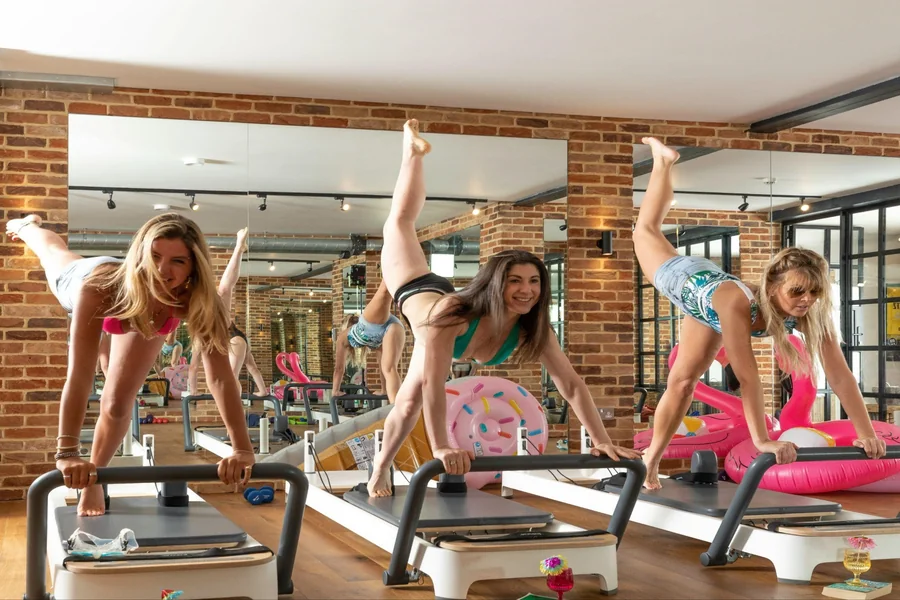
The architectural design of contemporary fitness facilities captures the breadth of services these facilities offer. Wellness architecture prioritizes spa-like interiors. These facilities feature soft palettes and natural materials, ample natural light, and biophilic elements that integrate the occupants with nature, giving the space a luxurious ‘wellness resort’ feel, rather than the traditional aesthetics of a gym.
Essential Equipment & Rooms
Contemporary wellness facilities integrate unique rooms with design features and functions that are uncommon in old-fashioned fitness centers. For example, infrared sauna pods are private heat therapy sauna pods that aid in detoxification, cardiovascular health, musculoskeletal recovery, and skin purification. These advanced, small sauna pods can be incorporated into small spaces with ease.
Ice and contrast therapy chambers adopt cold exposure therapy that limits swelling, speeds up recovery, increases metabolic activity, and augments psychological fortitude. These extreme thermal contrast therapies enable a member recovery circuit that can be used in the minutes following exercise.
Beauty treatment rooms and clinical zones require careful planning within commercial gym fitout designs. These spaces must meet healthcare facility standards for cleanliness, privacy, medical equipment installation, and regulatory compliance while still feeling integrated with the broader wellness environment. Thoughtful design creates seamless transitions between training floors and treatment areas.
Incorporation of Modern Gym Equipments
Modern fitness centers are built around smart cardio and strength machines that come equipped with virtual coaching, integrated performance tracking, and gamification features. Fitness technologies have advanced to the point where they interface with clinical evaluations and protocols for aesthetic treatments and capture the essence of member progress and optimization opportunities.
Incorporating pneumatic compression boots, vibration platforms, magnetic muscle stimulators, percussion massage guns and other devices into recovery practices highlight the development of these recovery aids. These gym amenities shorten the gaps within cycle of training and recovery, thus allowing members to actively engage customized recovery programs.
Real Benefits for Users
Holistic Results
The integrated wellness center achieves profound transformation by addressing multiple facets of wellness simultaneously. Members concurrently build muscular strength with resistance exercises, improve heart health with aerobic exercises, optimize metabolic processes with nutrition counseling, improve skin health with aesthetic treatments, and alleviate stress through active recovery protocols. Such a multidimensional approach achieves results beyond the capabilities of any single intervention.
Rapid recovery from training through cryotherapy, compression therapy, and physiotherapy allows members to train more consistently and intensely while minimizing fatigue and the risk of injury. Members also experience improved confidence in and out of the gym due to enhanced skin tone and texture from laser treatments and facials. This synergy in performance and aesthetic enhancement creates a momentum that fosters the sustained adoption of wellness behaviors.
Convenience
The integrated ecosystem streamlines the coordination of services that would typically be dispersed and require multiple providers. Rather than arranging different appointments at a gym, medical clinic, physiotherapy office, and spa, members get all these services under one roof, and often, on the same day. The unique value proposition of such ecosystems greatly improves adherence to integrated wellness prescriptions that would otherwise be cumbersome to piece together.
The convenience of this consolidated wellness ecosystem caters to the needs of time-constrained professionals. For instance, a single 90-minute appointment could include a 45-minute physical training session, a 20-minute cryotherapy session, and a 25-minute clinical procedure, thereby integrating what would otherwise require three separate medical appointments at three different facilities. This transforms wellness from a luxury to a life necessity.
Conclusion
The conversion of fitness centers to fully integrated health care and beauty wellness centers is much more than a business strategy—it is a reconceptualization of the meaning of health and fitness in the contemporary world. Today’s fitness centers understand that wellness es far more than fitness and that a multitiered approach is necessary to address the fundamentals of physical activity, health value, beauty, psychological wellbeing, and recuperation.