Eco-Conscious Commuting: How Drivers Are Becoming More Sustainable
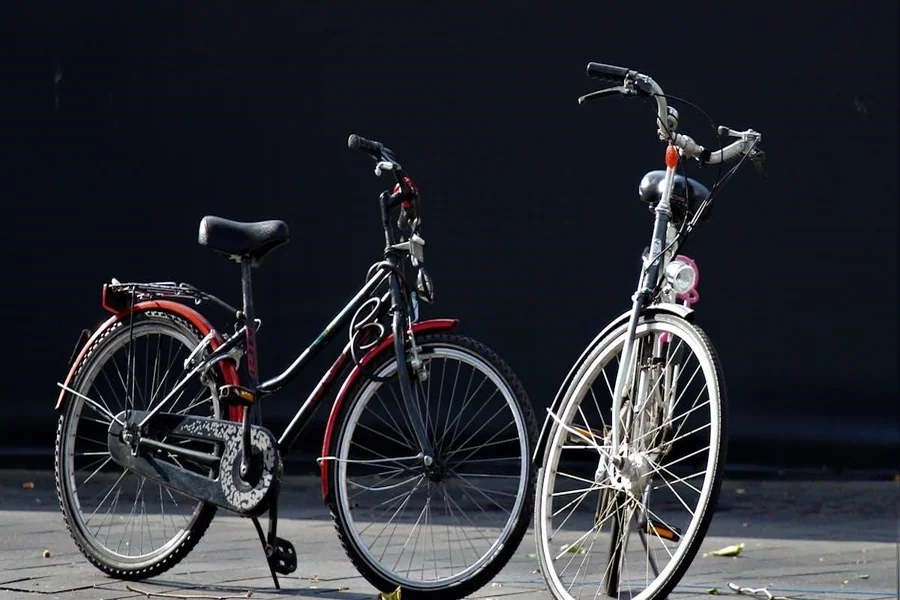
It’s something you almost have to feel for yourself, driving through certain areas early in the morning and noticing a different rhythm than even a year ago. Fewer full-throated engines, more of that soft electric hum, less frantic rushing to squeeze in those last few minutes before work. And it’s not as if everyone suddenly became climate experts overnight.
It’s more that a lot of motorists quietly realized, almost in passing, that how they get from point A to point B actually matters. These shifts seem small, almost trivial, until you start paying attention. Then you see them everywhere.
Sure, there’s an economic layer to it. Plenty of people landed in the “eco-conscious commuter” category because of fuel prices or sheer burnout from sitting in traffic. But what’s fascinating is how these practical, no-nonsense choices start turning into sustainable habits simply through repetition. Someone buys an affordable used hybrid, and before long, they’re talking about neighborhood charging stations with the same seriousness people once reserved for plumbing or trash pickup.
And in this blend of pragmatism and gradual change, we’re also seeing drivers lean on tools that make modern commuting safer and more predictable. Even long-time gas-and-go folks are opting for smarter road awareness tech like radar detectors, not as a “gearhead flex,” but as part of a broader shift toward more intentional, informed driving.
The Quiet Influence of Daily Decision-Making
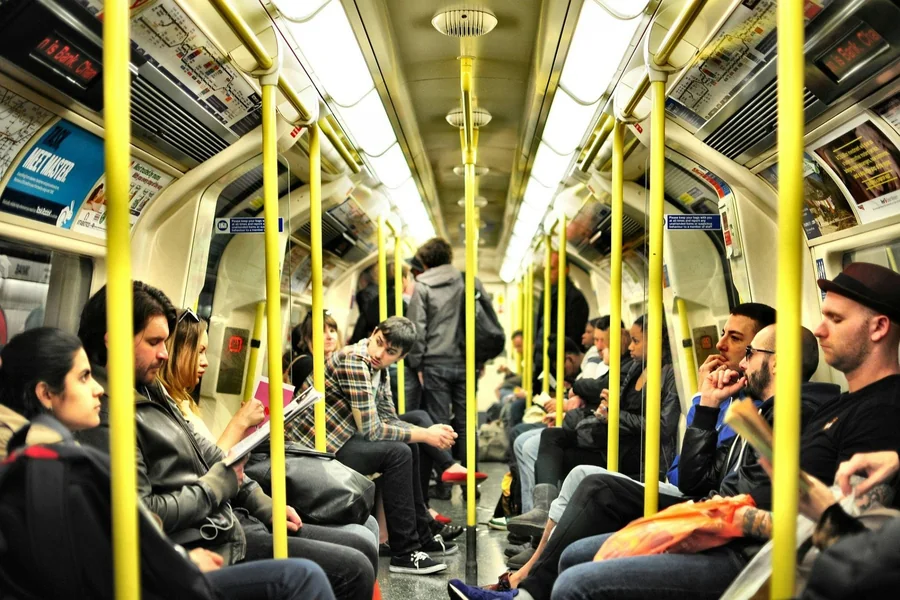
What isn’t discussed enough, though, is how patterns affect our commute. What routes we drive, what time we leave, what temperature we choose to keep in our cars all create an autopilot mode. Every now and then, though, something breaks us out of autopilot. Maybe someone encounters a colleague riding their bike to work, looking almost relaxed enough to be considered calm by 9 a.m. Maybe their city introduces a new dedicated bus lane, their public transport no longer seeming like such a trade-off.
What’s happened in the last few years is simply that these changes have occurred with increasing regularity. More EV charging stations have gone in than projected. More flexible work schedules have been adopted by companies. Even weather patterns have caused people to think about their commute times, because if it’s extremely hot or raining, some routes just feel more grueling than they did before. I have heard people say things like, “I didn’t intend to drive less miles, it just. happened.” And in many ways, I think this is the most truthful way to talk about what’s happened.
And then, of course, there’s the math factor.
Drivers who routinely spent forty minutes in traffic realize that if they left just ten minutes earlier, they could have used less fuel, something no high-tech gadget could provide. As was recently highlighted in a report from the Australian Bureau of Statistics, there has been a small reduction in short-distance car traveling in some metropolitan areas due to consumers choosing to combine errands or finding alternative modes for short-distance travel. It’s not big news, but it’s small changes like these that make big differences.
The Gradual Acceptance of Electric, Hybrid Solutions
Electric cars once represented something about which tech nerds would discuss, with perhaps too-reverent passion, into what could now almost be called mainstream. But they’re certainly out there, in parking lots at supermarkets, in ranks to charge at gym centers, with charging stations in home systems small enough to have almost appeared ad-hoc. And the users, in many instances, aren’t those die-hard early adopter types, those simply tired, perhaps, of irregular gas costs, or looking to dampen their noise for their long drive to and from work.
What’s interesting is that many hybrid car buyers end up changing their behavior in ways that are larger than what they originally set out to do. “They think, ‘I’ll save some money on gas,’” then they start to figure out what their electric range is, or they start to coast, or they start to think about their acceleration rate. It starts to become something like a game, and before long, they’ll drive their gas-powered car in ways to reduce their emissions.” It’s spill-over behavior.
But charging culture, for such it is, has bred odd rituals. People now plan their shopping trips based on whose charging point they like to visit next. Some car owners talk about fast charging stations in such ways as if they are discussing coffee shops. And then, of course, there is the slightly awkward moment whenever two cars happen to arrive at one charging point at once, while taking half a step forward in polite acknowledgement, like any contesting party, not wanting to start any problems about priority.
When Sustainability Shows Up in Unexpected Places
“It’s easy to picture sustainable commuting as something big, like policy changes, infrastructure investments, maybe an app for the city to rate routes based on their carbon footprint. But changes come about through those kinds of small, individual choices, too, which rarely get noticed. It’s someone taking an alternate route with fewer stoplights because “it just feels smoother to me,” without realizing they’re burning less gas.
A person gets out of the habit of running their AC full blast all summer now, not really for any particular reason, due in part to EV battery range considerations, to keep their cabin slightly warmer. More people start carpooling, not for financial reasons now, simply to not have their mind occupied with what needs to be done behind the steering wheel each day.
Teleworking days brought changes too. Not in bold, publicity-worthy ways, like what was projected, but in ways typical for things given enough time to adjust. If an individual travels to work only three days in a week, these days could become more optimized. They could start early, take an interesting route to work instead of taking the quickest, or even take a thirty-minute walk to work after parking in areas which are farther away. These happen to not be climate-saving efforts, yet they have real effects on energy use.
And finally, there’s the impact of local governments, which in some cases, comes about in an indirect fashion. Maybe you haven’t noticed any changes to bike lanes or enlarged areas for bus shelters in your city. But after some time, you’ll be surprised to note an increase in bicycles during morning traffic or fewer cars looking for parking spots near train stations.
The Future Looks Less Like a Revolution and More Like a Slow Drift
It’s easy to imagine progress in other areas: sudden waves of innovation, major policy changes, sea changes in society. But in commuting, revisions happen in small steps, influenced by something like the vagaries of weather, schedules, prices, comfort, or maybe just wanting to have an easier commute. And that’s what’s likely to happen in environmentally responsible commuting, too. People will keep pushing forward, some in what appears to be small ways at first. Maybe an individual drives less each week, not once setting out with the intention to do so. Maybe an office changes its bike rack arrangements, and suddenly six employees switch to biking to work.
Maybe families start planning errands not based on what route they know, but what route gets them there most effectively. It doesn’t seem like any particular bold action, which is what needs to happen, because after some point, sustainability isn’t noticed, it’s not remembered. And perhaps what’s most intriguing about all these changes is that in many ways, they aren’t primarily about being more green, but about being more blue, a better blue, if you will, in the context of their everyday experiences. Less noise, less congestion, less hassle in the morning, a healthier environment is what gets highlighted in these outcomes, not what drives them. And it’s almost like, in being less about creating real, lasting changes, these tiny steps toward something, anything, happen almost in passing, almost by mistake.