How To Navigate Divorce Proceedings In California
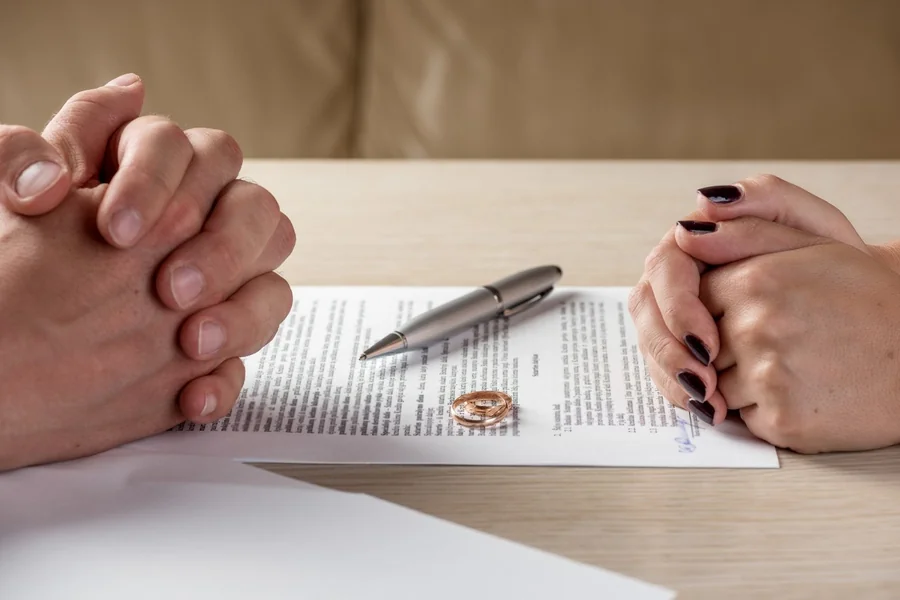
Going through a divorce can feel stressful and confusing. There are many forms, rules, and decisions to make. Most people do not know where to start or what the process looks like.
One of the first things you should understand is the difference between divorce, dissolution, and legal separation, because each one affects your life in a different way.
The good side is that you do not require being a legal professional to pass through this. When you do it in stages it makes the process easier to follow. Those are the legal steps we will take you through in this blog in very simple words so that you can make a better decision about your life.
Understanding the Options
Before you begin, it is important to know what each choice means:
- Divorce ends the marriage completely. Once it’s done, you are legally single again.
- Dissolution is very similar to divorce but usually refers to a simpler process when both people agree on everything.
- Legal separation does not end the marriage, but it allows both people to live separate lives with clear rules about money, property, and children.
Knowing which one fits your situation helps you make smart choices from the start.
Step 1: Meet the Residency Rules
To file for divorce in California, at least one spouse must have lived in:
- California for at least 6 months, and
- The county where you have been filing for 3 months.
If you do not meet these rules yet, you can wait until you do or consider filing for legal separation first.
Step 2: File the First Forms
The process begins when one individual, who is known as the petitioner, makes a filing, a Petition for Divorce. These articles detail that the marriage is breaking and that there are such items as property, money and children.
Once filling has been done, the papers have to be formally handed to the other spouse who is referred to as the respondent. This is referred to as serving the documents.
Step 3: Your Spouse Responds
Once they receive the papers, your spouse has 30 days to respond. They can:
- Agree with what you asked for
- Disagree
- Or not respond at all
If they do not respond, the court may allow the case to move forward without them.
Step 4: Share Important Information
In states like California, they require both spouses to exchange financial information. This includes:
- Income
- Debts
- Property
- Expenses
This step helps the court make fair decisions about money and support.
Step 5: Make Decisions About Key Issues
You and your spouse must decide on things like
- Who gets what property
- Who pays which debts
- Child custody and visitation
- Child support
- Spousal support
You can agree on your own, work with a mediator, or let a judge decide if you cannot agree.
Step 6: Work Through the Waiting Period
California has a 6-month waiting period that is mandatory before any divorce is concluded. This implies that although you may strike a common understanding on all other issues, the divorce will not be completed before six months after the papers have been served.
This time gives both people space to think and prepare for the future.
Step 7: Finalize the Divorce
Once all forms are complete and all decisions are made, the court reviews the case. If everything is correct, the judge signs the final divorce papers. At that moment, the marriage is legally over. If official proof of the dissolution is needed later, either spouse may request a California divorce certificate or the appropriate certified court record.
Key Takeaways
- Learn the difference between divorce, dissolution, and legal separation before starting the process.
- California has residency rules and a 6-month waiting period.
- You must file forms, serve papers, and share financial information.
- You and your spouse must decide on property, debts, and child-related issues.
- A judge finalizes the divorce once all steps are completed.