Discover the Hottest Trending Countertop Colors for Your Home
Color trends in interior design continue to evolve rapidly as homeowners move toward more expressive, wellness-focused, and personalized spaces. While the early 2020s leaned heavily into minimalism and cool neutrals, the palette heading into 2026 tells a very different story. Today’s trending countertop colors embrace warmth, emotional comfort, bold expression, and connections to nature. Countertops, once treated as purely functional surfaces, have officially become central design elements that shape the mood and personality of the entire home.
From rich jewel tones to earthy organic shades and soft neuromantic neutrals, the modern color landscape offers limitless creative possibilities. Whether you are planning a full kitchen renovation or simply craving a color update, here are the hues, textures, and combinations shaping the future of countertop design.
The Color Trends Defining 2025 and 2026
Deep Jewel Tones Make a Dramatic Comeback
Luxurious jewel tones are surging once again as homeowners gravitate toward colors that feel expressive, moody, and emotionally engaging. While these hues first gained traction earlier in the decade, they now have a stronger presence on major design stages going into 2026. Emerald greens, onyx blues, and wine-inspired reds create a sense of luxury and grounded elegance that feels both modern and timeless.
These gemstones of the color spectrum are being used not only for accent details but also as full-surface countertop choices. An emerald green quartz countertop, for example, pairs beautifully with matte black cabinetry and brushed brass hardware, creating a stunning statement while remaining warm and inviting. Sapphire countertops, especially in glossy finishes, capture light beautifully and add depth to otherwise simple layouts.
Homeowners appreciate jewel tones for their emotional depth. These colors bring drama without feeling overwhelming, especially when styled with warm metals, natural wood, or textured backsplashes. The result is a kitchen or bathroom that feels curated, confident, and visually memorable.
Earthy Hues Continue to Dominate Wellness-Inspired Interiors
As the world moves into 2026, wellness-driven design continues to take center stage. This has kept earthy, nature-inspired tones at the top of the list for trending countertop colors. Terracotta, clay, olive green, coffee browns, and mushroom taupe create spaces that feel restored and grounded.
These tones bring warmth and softness, especially in homes that aim to blur the line between indoor and outdoor living. Earthy countertops work extremely well with natural materials like reclaimed wood, matte black fixtures, and handmade tiles. An olive-toned porcelain countertop, paired with warm white cabinets and woven elements, instantly creates a serene, organic environment.
The appeal of earthy hues goes beyond aesthetics. Homeowners are craving restful interiors that counterbalance fast-paced digital lifestyles. Colors inspired by soil, stone, and foliage offer a sense of stability and peace, making them ideal for kitchens, bathrooms, and multipurpose living spaces.
Neuromantic Neutrals Offer Softness and Subtle Sophistication
While bold hues capture attention, soft neutrals continue to rise in popularity due to their ability to create quiet, calming spaces. The term “neuromantic neutrals” has gained traction over the past two years, referring to delicate tones that promote emotional comfort and understated beauty. Think warm beige, creamy taupe, blush undertones, greige, and soft pebble gray.
These shades work especially well in smaller kitchens and contemporary designs where visual simplicity is key. A pale warm gray countertop can brighten a space while providing plenty of flexibility for evolving color trends around it. Meanwhile, creamy blush-toned stone creates a romantic, ethereal feel without crossing into overly feminine territory.
The beauty of neuromantic neutrals lies in their adaptability. They complement everything from Scandinavian minimalism to Japandi interiors, coastal styles, and transitional designs. Layering different tones and textures within the neutral family adds both depth and sophistication without overwhelming the senses.
Material Matters: How Finish and Texture Influence Color
Glossy vs Matte Finishes: Creating the Right Mood
Finish plays a significant role in how color is perceived, and the debate between glossy and matte surfaces remains more relevant than ever.
Glossy finishes amplify depth and richness, especially in darker or jewel-toned countertops. They reflect light beautifully, making deep colors appear luminous and dramatic. A polished navy or midnight quartz counter, under warm lighting, can create a luxurious and almost artistic effect.
Matte finishes, on the other hand, offer a soft, velvety appearance that enhances the natural warmth of earthy tones. Matte sage, deep clay, or sandstone-inspired countertops feel grounded, organic, and modern. Matte finishes also tend to hide fingerprints and minor imperfections better than glossy ones, making them a favorite for busy households.
Choosing between glossy and matte ultimately depends on the mood you want to create. Glossy finishes add glamour, while matte finishes add calm and texture.
Natural Stone vs Engineered Surfaces: Color Meets Craftsmanship
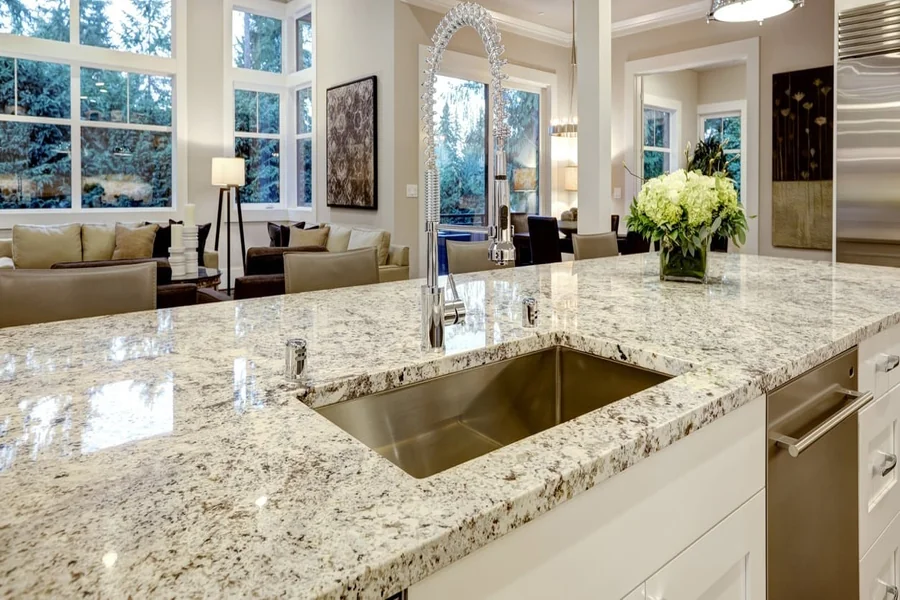
The choice between natural stone and engineered materials plays an important role in color selection. Natural stones like marble, granite, and quartzite offer striking, unpredictable patterning. Many homeowners are drawn to the uniqueness of veining and the way the stone’s natural color shifts under different lighting conditions.
Deep colors, such as forest green marble or charcoal soapstone, have become favorites among homeowners who crave authenticity and visual drama.
Engineered surfaces, such as quartz or high-performance porcelain slabs, offer consistency, durability, and a far wider range of color options. These materials are ideal for those who want precise color appearances, from creamy off-whites to bold, saturated jewel tones. Advancements in technology allow engineered surfaces to mimic the look of marble, concrete, or natural stone while offering superior stain and scratch resistance.
The best choice depends on personal preference, lifestyle, and maintenance expectations. Natural stone offers timeless elegance, while engineered stone brings accessible beauty and convenience.
Creating Contrast Through Texture and Tone
Designing a beautiful kitchen or bathroom is often about contrast. Countertops present a powerful opportunity to create visual balance by juxtaposing different textures or tones.
For example:
- A sleek white quartz countertop paired with reclaimed wood cabinets creates a striking modern rustic aesthetic.
- A textured concrete-look countertop combined with high-gloss cabinets adds industrial sophistication.
- A bold, dark countertop on top of pale oak cabinetry creates strong visual grounding in open-concept spaces.
Contrast does not need to feel harsh. When done thoughtfully, it adds depth, movement, and harmony to a room.
Recommended Materials for Each 2026 Color Trend
To help you bring these trending countertop colors to life, here are the best materials for achieving each look. These recommendations consider durability, maintenance, appearance, and availability of color options for 2026.
1. Jewel Tones: Deep Greens, Smoked Blues, Wine Reds
Best materials to achieve this look:
Quartz
Engineered quartz is ideal for jewel tones because it offers rich, consistent pigmentation. Manufacturers are releasing new 2026 collections with saturated hues like emerald, midnight blue, and garnet.
Porcelain Slabs
Porcelain can replicate the depth and complexity of natural stone while offering better stain, heat, and scratch resistance. Porcelain is becoming the go-to for dramatic jewel-toned designs.
Sintered Stone
This ultra-durable material is gaining popularity for its ability to incorporate bold pigments and high-resolution patterns. Sintered slabs come in deep greens, charcoal teals, and other gem-like tones.
Soapstone (for deep greens and charcoal blues)
Natural soapstone often features muted versions of jewel colors, especially dark green and blue-gray, with beautiful veining.
2. Earthy Hues: Clay, Moss, Olive, Cedar Brown
Best materials to achieve this look:
Quartzite
Natural quartzite comes in stunning organic shades, including earthy greens and warm beige tones. It delivers incredible movement and organic character.
Concrete
Concrete countertops allow for custom earth-tone pigmentation in shades like terracotta, sand, taupe, and olive. Perfect for rustic or modern organic designs.
Matte Quartz
Manufacturers are releasing more matte, stone-inspired quartz slabs in clay, mushroom taupe, and warm putty tones for a soft, grounding look.
Granite
Granite’s natural speckling and mineral composition make it ideal for warm browns, moss greens, and stone-like neutrals.
3. Neuromantic Neutrals: Warm Oat, Mushroom Taupe, Blush Cream
Best materials to achieve this soft neutral look:
Marble
Marble offers naturally soft, romantic tones with gentle veining, such as creamy off-whites, warm grays, and subtle blush-tinted stone.
Quartz (warm neutral collections)
Engineered quartz is perfect for blush-beige, warm greige, and soft cream tones that remain consistent across the slab.
Porcelain
Porcelain panels mimic marble’s softness while offering greater durability, ideal for high-traffic kitchens wanting a gentle, romantic aesthetic.
Solid Surface Materials
These seamless, matte materials come in warm neutrals ideal for minimalist, soft-toned kitchen designs.
4. Matte and Textural Finishes
Materials that shine in matte form:
Concrete
The natural texture of concrete takes matte finishes beautifully and complements earthy palettes.
Leathered or Honed Granite
These textured granite finishes reduce shine and bring out the natural depth of the stone, perfect for warm neutrals or deep colors.
Honed Quartzite
This finish gives quartzite a softer, velvety appearance ideal for warm stone colors.
Honed Marble
Softens the look of traditional marble while maintaining its natural elegance.
5. High-Contrast Dramatic Countertops (Black, White, and Bold Patterns)
Best materials for striking contrast:
Quartz (high-contrast marble-look)
Quartz manufacturers continue releasing bold veined slabs perfect for creating drama in 2026 kitchens.
Black Granite (Absolute Black, Black Galaxy)
Durable, bold, and timeless, black granite remains one of the best materials for a striking modern look.
Porcelain Slabs
Porcelain excels at high-resolution veining, offering dramatic black-on-white patterns and crisp contrast.
Quartzite
Natural stones like “Taj Mahal,” “White Macaubas,” or “Negresco” offer both contrast and organic beauty.
6. Warm and Energetic Colors (Terracotta, Rust, Sunset Tones)
Best materials for warm, energizing hues:
Concrete (custom pigmented)
Terracotta, rusty orange, and sienna tones look exceptional in concrete, offering a unique handcrafted feel.
Porcelain
Porcelain manufacturers increasingly release warm stone-inspired colors in 2026 collections.
Solid Surface
Easy to tint and shape, solid surface materials offer smooth, warm-colored countertop options ideal for contemporary kitchens.
Quartz
Engineered quartz collections now include warm sunset tones designed to brighten modern social spaces.
Color Psychology: Using Countertop Colors to Influence Mood
Calming Blues and Greens Promote Relaxation
Blue and green countertops are gaining momentum as homeowners prioritize mental wellness within the home. Light blues evoke feelings of serenity, reminding us of clear skies and water. They are ideal for kitchens or bathrooms where a refreshing and peaceful atmosphere is desired.
Greens, particularly sage, forest, and eucalyptus tones, symbolize balance and renewal. These colors also pair exceptionally well with natural materials and indoor plants, enhancing a biophilic design approach that continues to shape 2026 interiors.
Warm Reds and Oranges Bring Energy and Connection
Warm colors like rust, terracotta, burnt orange, and muted red add vibrancy and personality to kitchens. These hues stimulate warmth, creativity, and engagement, making them perfect for families who view the kitchen as the home’s social hub.
To avoid overstimulation, designers often balance these warm hues with neutral or earthy backdrops. For example, a terracotta countertop with cream cabinets and matte black hardware creates a warm, uplifting yet balanced space.
The Art and Science of Harmonizing Color Palettes
Understanding how colors interact is essential for creating a cohesive design. Cool colors create space and calmness, while warm colors advance visually and add energy. Combining the two must be done with intentionality.
Designers frequently use:
- Light countertops with dark cabinets to create visual balance.
- Complementary colors to add harmonious contrast.
- Analogous colors for a more blended, serene aesthetic.
These principles help shape a space that feels both dynamic and well composed.
Practical Design Tips for Choosing Countertop Colors
Create Focal Points with Bold Choices
Countertops can act as stunning focal points when chosen in standout colors. A cobalt blue island, a ruby-veined marble slab, or a deep emerald quartz surface instantly draws attention and becomes the centerpiece of the room.
Pairing the bold countertop with softer surrounding elements amplifies the effect without overwhelming the space.
The Balance Between Timeless and Trendy
While it is tempting to jump on every new color trend, countertops are long-term investments. Many homeowners are choosing timeless base colors like white, gray, or soft natural stone, then incorporating trendier hues through backsplashes, paint, decor, or fixtures.
This approach keeps the overall space adaptable and cost-effective over time.
Personalization: Make Your Space Truly Yours
Ultimately, the best countertop color is the one that resonates with your personal style and makes your space feel like home. Mood boards, sample swatches, digital renderings, and in-person showroom visits can help you visualize your choices. By experimenting with tones, textures, and pairings, you can craft a space that truly reflects your personality and enhances daily living.
Final Thoughts
The trending countertop colors for 2025 and 2026 celebrate individuality, nature, emotional comfort, and meaningful design. Whether you are drawn to bold jewel tones, grounding earthy hues, or soft neuromantic neutrals, today’s trends offer endless possibilities for personal expression. As materials and finishes continue to evolve, homeowners have more creative freedom than ever to design spaces that feel beautiful, functional, and emotionally uplifting.
Welcome to the new era of countertop design, where color becomes the heart of the home.