Timeless Confidence: The Science and Philosophy Behind Regenerative Aesthetics
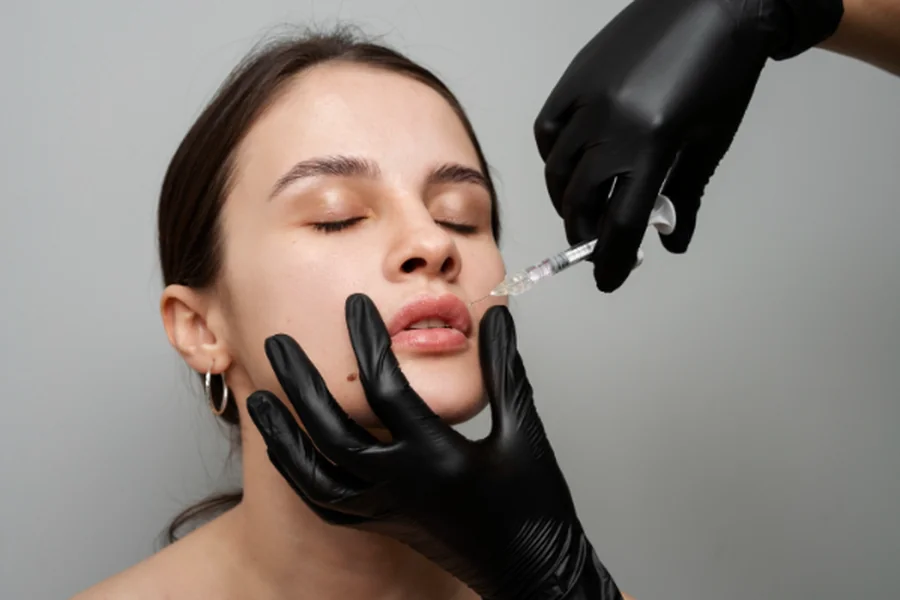
You don’t wake up one day and decide you want to look “younger.” Not really.
You wake up and think, Hmm. Something feels… thinner. Quieter. Less supported.
Your face, sure. But also your confidence. Your energy. Your sense of being fully there when you walk into a room.
That’s where regenerative aesthetics starts to whisper in your ear.
Not shout. Not promise miracles. Just a quiet, almost annoying question: What if you helped your body rebuild instead of covering things up?
The first time I heard about Sculptra dermal filler, I honestly thought it sounded fake. Too subtle. Too slow. Like one of those ideas that only works in theory. But then I saw it in real people, months later, and… yeah. That pause you feel when you realize something looks good but you can’t explain why? That.
This isn’t about chasing a face from ten years ago. It’s about staying recognizable to yourself. Which, arguably, is harder.
What “Regenerative” Actually Means (and What It Doesn’t)
Let’s clear something up before things get glossy and weird.
Regenerative aesthetics is not about filling, freezing, or inflating. Well, not primarily. It’s about signaling your body to do what it already knows how to do—just slower now, and with more reminders.
In practical terms, that usually means treatments that stimulate collagen, elastin, and tissue quality over time. Not overnight. Not instantly. And honestly, that’s part of the appeal.
Dr. Sabrina Fabi, a board-certified dermatologist, once put it simply:
“The future of aesthetics isn’t about changing faces—it’s about restoring structure and quality at a cellular level.”
Cellular level. That phrase alone feels… grounding. Less Instagram. More biology.
Why Instant Results Are Losing Their Charm
Remember when dramatic before-and-after photos were the goal? Big changes. Obvious work. That moment where someone says, Wow, what did you do?
Now it’s more like:
You look rested.
Did you change your hair?
Something’s different…
And you just shrug. Because you kind of don’t want to explain.
Regenerative treatments work gradually. You don’t leave the clinic glowing like a glazed donut. You leave looking… normal. Maybe slightly puffy. Maybe nothing at all.
Weeks pass. Months. And then one morning you notice your skin catches light differently. Your jawline feels firmer when you touch it absentmindedly (we all do that, right?). You’re not transformed. You’re reinforced.
According to a review in Aesthetic Surgery Journal, collagen-stimulating injectables show progressive improvement over 3–6 months, with results lasting up to two years in some patients. That timeline alone filters out impulse decisions.
Which is probably a good thing.
The Science Part (Without Making This a Lecture)
Here’s the short, non-headache version.
As you age, collagen production drops. Not slowly, either—about 1% per year after your mid-20s. Add stress, sun, sleep deprivation, gravity, life… and suddenly your skin’s internal scaffolding isn’t holding like it used to.
Regenerative treatments use biostimulatory materials to nudge fibroblasts (your collagen factories) back into action.
Dr. Ava Shamban, dermatologist and author, explains it this way:
“Biostimulatory fillers don’t replace volume—they encourage the skin to rebuild its own.”
Encourage. Not force. That word keeps coming up.
And yes, there’s science behind it. Poly-L-lactic acid, for example, has decades of research in medical applications. Long before aesthetics got involved.
Which, I think, matters.
A Philosophy Shift: From Fixing to Supporting
This is where things get a little… personal.
There’s something deeply different about choosing a treatment that asks you to wait. To trust. To let your body participate instead of handing everything over to a syringe.
It mirrors a bigger shift, honestly. In wellness. At work. In life.
You stop asking, How do I erase this?
And start asking, How do I strengthen what’s already here?
I remember sitting in a consultation once, nodding along, and realizing I wasn’t trying to look younger. I was trying to look less tired of holding everything together.
That’s not vanity. That’s maintenance.
Where Regenerative Aesthetics Actually Shines
Not every face. Not every goal. But certain concerns? It excels.
Common areas where collagen stimulation makes sense:
- Mid-face volume loss (that flat, deflated feeling)
- Temples that suddenly look hollow
- Jawline softness that isn’t quite sagging, just… fading
- Skin crepiness (especially cheeks)
It’s not great if you want instant contour or dramatic reshaping. That’s a trade-off. And a fair one.
As one study in Dermatologic Surgery notes:
“Patient satisfaction is highest when expectations align with the gradual nature of collagen biostimulation.”
Translation: if you’re patient, you’re happier.
Quick Reality Check: Pros vs. Cons
Because balance matters.
Pros
- Natural-looking, progressive results
- Long-lasting improvements
- Improves skin quality, not just shape
- Less risk of overfilling
Cons
- No instant gratification
- Requires planning (and follow-ups)
- Not ideal for last-minute events
- Subtlety can feel underwhelming at first
I’ll be honest. The waiting part messes with your head a bit. You second-guess. You zoom in on your reflection. You wonder if anything’s happening.
Then, usually, it is.
Pro Tip #1: Timing Is Everything
If you’re considering a regenerative treatment, do it months before you think you “need” it. Weddings, big trips, major work moments—plan backward. This is slow beauty by design.
The Confidence Piece Nobody Talks About
Here’s the quiet part.
When your face changes slowly, you change slowly with it. There’s no shock. No identity whiplash. No “who is that?” moment in photos.
You adjust in real time. Your confidence grows alongside the results.
Psychologist Dr. Jennifer Baumgartner once noted:
“Gradual aesthetic changes allow the brain’s self-image to adapt more comfortably, reducing post-procedure dissatisfaction.”
That stuck with me. Because confidence isn’t just how you look—it’s how familiar you feel to yourself.
Read More: Revitalize Your Skin: Secrets to Youthful and Radiant Complexion
Pro Tip #2: Choose Practitioners, Not Trends
Ask how they think about aging. Not just what they inject. Philosophy matters more than product names.
So… Is This for Everyone?
Probably not. And that’s okay.
If you love bold transformations, regenerative aesthetics might feel too quiet. Too patient. Too… restrained.
But if you’re someone who values longevity over drama, structure over surface, confidence over compliments—this path makes sense.
In my experience (and yeah, this is opinion), it feels more like investing than spending. Less about fixing flaws. More about reinforcing foundations.
And foundations last.
Final Thoughts
Timeless confidence isn’t about stopping time. That’s a losing game anyway.
It’s about moving with time. Cooperating with it. Giving your body the tools to age with integrity instead of resistance.
Regenerative aesthetics won’t make you someone else. It won’t erase every line or memory written on your face.
But it might help you feel… supported. Held up. Like the structure beneath the surface is still doing its job.
And some days, honestly, that’s more than enough.