6 High-Risk Hazards Prevented By Clear Work Safety Signs
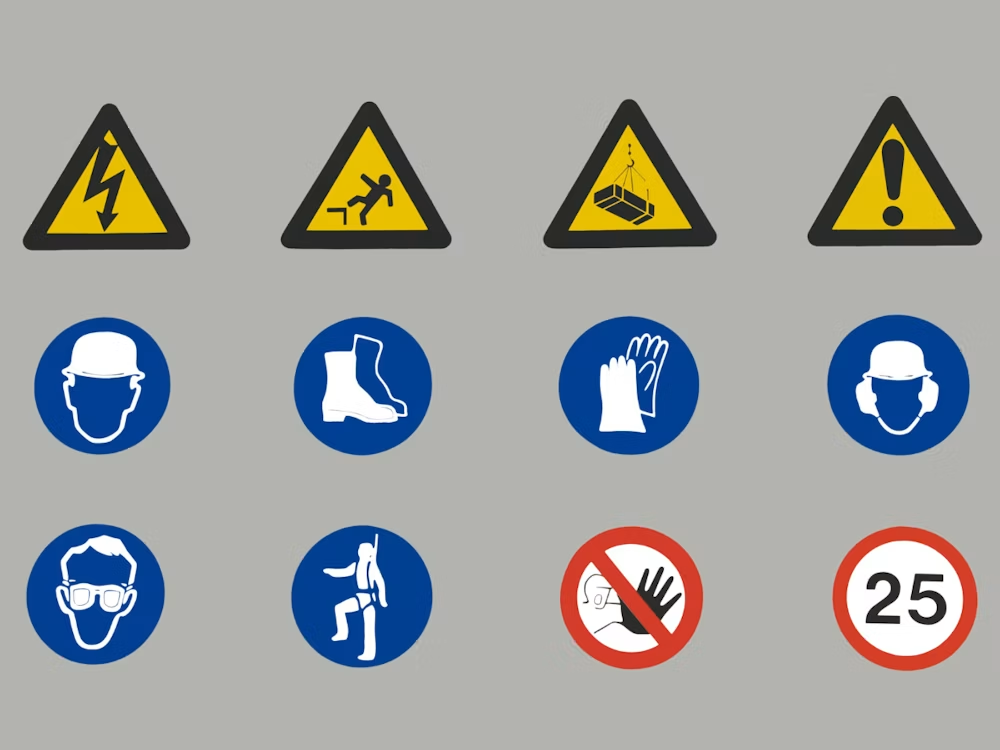
Every day, warehouses, factories, and construction sites move heavy equipment. Without effective visual guidance, there is a high risk of hazardous on-site actions for staff members. Whenever there is a risk, businesses must always put up clear work safety signs. This guide covers six workplace hazards that good visual communication tools eliminate.
1. Forklift and Heavy Machinery Collisions
Busy fulfilment warehouses operate several pieces of heavy materials-handling equipment at the same time. Forklifts navigate tight corners blindly, creating high-traffic crush hazards for those walking nearby. Without clear traffic zoning markers, operators and ground crews walk on paths that don’t always come in line. This lack of separation creates a high risk of dangerous workplace collisions.
For large industrial vehicles, work safety signs are used. Bright overhead markers warn pedestrians of active loading docks, and operators should honk and slow down at blind intersections. Organising floor traffic to reduce vehicle incidents to almost zero quickly reduces vehicle accidents.
2. Slip, Trip, and Fall Incidents
Unpredictable flooring, wet cleanup areas, and loose extension cords cause injuries. Slips and trips are still the main cause of long-term absence in industries. Workers who carry heavy boxes may not notice small changes in floor elevation ahead. A sudden fall can lead to fractures, back injuries or severe concussions easily.
Placing very visible warning markers near changing floor levels instantly changes team behaviour. Moving things around requires people to slow down and watch their feet. Don’t let small floor dangers turn into expensive workers’ compensation.
3. High-Voltage and Electrical Traumas
Industrial machines run on powerful electrical currents. Unauthorised operators must not access switchboards, maintenance panels, or generator rooms. An untrained worker accidentally touching a live wire is a mortal danger. Visual boundaries are necessary to separate general work from specialised electrical equipment.
Electrical warning signs are clearly visible even from a distance. They prevent non-technical personnel from entering high-voltage areas and require technicians to wear safety gloves. These signs save lives by supplementing lockout/tagout procedures during equipment repair.
4. Hazardous Chemical Exposure Risks
Manufacturing labs and cleaning bays are often filled with concentrated acids, solvents or toxic compounds. Inhaling chemical vapours can cause permanent respiratory or chemical burns. Employees must know exactly where corrosive fluids are handled to prepare. The absence of a label on storage lockers can result in chemical cross-contamination risk for teams.
Clear instructional symbols convey chemical classification and appropriate protective clothing on the fly. They show staff where emergency eye-wash stations and spill cleanup kits are located. This immediate visual access reduces panic and limits injury severity during accidental chemical spills.
5. Falling Objects and Overhead Hazards
Vertical pallet racking allows warehouses to maximise storage space by stacking items higher. However, loose items on higher shelves are a serious drop hazard to workers below. A falling box or a dropped hand tool can cause serious head trauma to an unprotected worker.
Hard hat markers keep workers out of drop zones, and overhead risk areas remind workers to stay safe. This visual reinforcement helps workers to remain cognisant of what’s happening and avoid distractions. Establish clear standards for high-stacking work areas in your warehouse.
6. Noise-Induced Hearing Damage
Stamping presses, wood saws and large air compressors produce deafening volume levels during operations. Industrial noise and long-term exposure slowly destroy inner ears over a career. Workers must be reminded to wear earplugs and use personal protection equipment.
Bright ear protection markers posted outside loud machines make earplug compliance completely non-negotiable. This proactive step protects your employees from permanent occupational hearing loss.
Create a Culture of Workplace Safety That Is Easy to Understand
A successful operational safety plan involves visual cues. Having a safe and useful place to work makes people happier and more productive. Workers perform at their best when they don’t have to worry about their safety on the job. Improve your visual communications strategy today to protect your business, your employees and your brand.