Are Hair Removal Handsets Safe for All Skin Types?
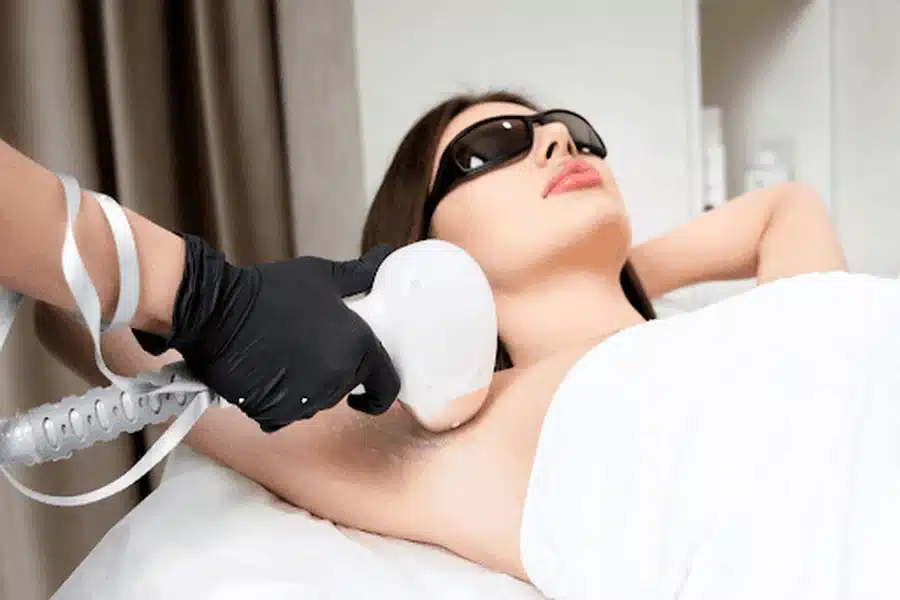
In the ever-evolving world of at-home beauty gadgets, hair removal handsets have emerged as a popular alternative to waxing, shaving, and professional laser treatments. Sleek, portable, and cost-effective, these devices offer the convenience of salon-style treatments right from your bedroom. But as their popularity grows, so does the number of questions—one of the most important being: Are hair removal handsets safe for all skin types?
Let’s break it down honestly and clearly, so you can make an informed decision about whether a hair removal handset is right for your skin.
Understanding How Hair Removal Handsets Work
Most modern hair removal handsets use Intense Pulsed Light (IPL) technology. This method works by emitting light pulses that target the melanin (pigment) in hair follicles. The light energy converts into heat, which damages the follicle and slows down or stops future hair growth.
It’s a tried-and-tested technology that’s been used in clinics for years. Now, with home-use devices, IPL is more accessible than ever. But here’s the catch—IPL works best when there’s a high contrast between skin tone and hair color (i.e., light skin and dark hair).
Why Skin Type Matters in IPL Hair Removal
Skin tone is a major factor in determining whether an IPL device is safe and effective. Because IPL targets melanin, darker skin tones—where melanin is more concentrated—can absorb more light energy, increasing the risk of:
- Burns
- Hyperpigmentation
- Blisters
- Scarring
On the flip side, extremely light hair (blonde, white, or red) doesn’t have enough melanin to absorb the light effectively. That means the handset may not work well—or at all—for some users.
Fitzpatrick Skin Type Scale: A Quick Guide
Most hair removal handset brands refer to the Fitzpatrick Skin Type Scale, which classifies skin tones into six categories:
- Type I – Very fair skin, always burns, never tans
- Type II – Fair skin, burns easily, tans minimally
- Type III – Light brown/olive skin, may burn, tans gradually
- Type IV – Moderate brown skin, rarely burns, tans well
- Type V – Dark brown skin, very rarely burns, tans easily
- Type VI – Deeply pigmented dark brown to black skin
Most at-home IPL devices are suitable for types I to IV, though some advanced models claim compatibility with types V and VI. Always check the manufacturer’s safety chart or skin tone sensor feature before using.
Are There Handsets Made for Darker Skin?
Yes some brands now design hair removal handsets with darker skin tones in mind. These devices either use more refined IPL sensors or switch technologies altogether.
For example:
- Nd:YAG lasers (available in clinics) are safer for darker skin.
- Some at-home devices come with adaptive energy settings or skin tone sensors that automatically adjust the intensity for safer use.
However, it’s crucial to do your research. Not all handsets are created equal, and using the wrong device on darker skin can result in serious skin damage.
Safety Tips for All Skin Types
No matter your skin tone, safety is key when using any light-based hair removal device. Follow these expert tips to reduce risks and improve results:
1. Always Do a Patch Test
Before your first full session, test the device on a small area and wait 24 hours to see how your skin reacts.
2. Avoid Tanning Before and After
Tanned skin (natural or artificial) has higher melanin levels and can be more sensitive to light treatments. Avoid sun exposure at least two weeks before and after use.
3. Shave, Don’t Wax
Shave the area before treatment. Do not wax or pluck, as IPL needs the hair root in place to be effective.
4. Start on the Lowest Intensity
Most devices have multiple intensity levels. Begin with the lowest setting and gradually increase only if your skin tolerates it.
5. Don’t Use on Tattoos or Moles
Avoid using the device on tattoos, dark spots, or large moles these can absorb more heat and cause burns.
Who Should Avoid Hair Removal Handsets?
While these handsets are safe for many, certain individuals should avoid them entirely or seek medical advice first:
- People with photosensitive skin conditions (e.g., lupus)
- Those taking light-sensitive medications (e.g., antibiotics, Accutane)
- Pregnant or breastfeeding women (due to lack of long-term safety data)
- Anyone with active skin infections or wounds
If you fall into one of these categories, consult a dermatologist before use.
Final Verdict: Safe, But With Conditions
And are hair removal handsets suitable to any skin type? The question is: they may be–with qualification. The lightest skin tones and dark hair include those with fair / medium skin and hair that are darker. Individuals with darker skin colors must be more particular with the device they will have and should choose models that have higher safety measures.
Before investing in a handset, always:
- Check the brand’s compatibility chart
- Read user reviews
- Look for FDA clearance or dermatologist-recommended devices
Used properly and responsibly, a hair removal handset can be a safe, long-term solution for smooth skin regardless of your skin type.
Conclusion
Handsets used in hair removal have transformed the society in terms of accessibility, being affordable and enjoying privacy when it comes to having a smooth skin which is free of hair. However, although such devices are mostly safe, hair and skin tone are relevant in terms of safety and effectiveness. The lighter skin tones with darker hair do the frivolous better, but it doest not imply that it excludes others with a darker skin tone. As technology improves and more consideration is given to the type of product that is selected, almost all skin types can undergo safe hair removal in the comfort of their own homes.
The key is to educate yourself, choose a device that matches your skin profile, and follow safety precautions consistently. Whether you’re new to IPL or upgrading your beauty routine, a little research goes a long way in ensuring you get the results you want safely.
When doubting the correctness of use of this or that device, it is imperative to contact a professional in the field of skincare or a dermatologist. Your skin cannot compliment less than the safest and the best care.