Beyond Tremors: The Emotional Impact of Assistive Technology
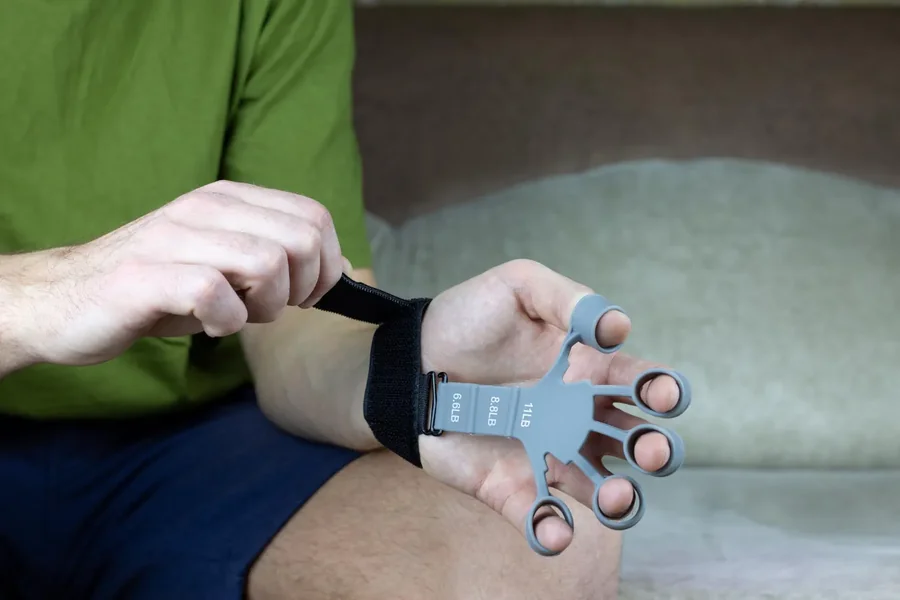
Essential tremor or Parkinson disease living with tremors is perceived as a physical challenge. It is known to most individuals that it is a challenge to carry things, write or have a meal in the open air. But the psychological consequences are not usually noticed. These encompass stress, withdrawal in society and the feeling of lack of independence which may come with these conditions. Assistive technology can do more than just assist in physical activities. It is able to decrease anxiety, enhance emotional well being and make people active in their daily lives.
The Psychological Burden Of Tremors
The feeling of unpredictability is always present because of tremors. Even the most basic activities, e.g., filling a cup or a signature, can be stressful. The studies published by the Movement Disorders reveal that the rate of anxiety and depression in people with Essential Tremor is usually higher than that of the population in general. Likewise, Parkinson’s Disease associates with non-motor ones that may exert a great impact on the mood and self-image.
This burden is not just personal; it also affects social interactions. Many people avoid dining out, attending gatherings, or even specific jobs, not only because of physical limitations but also due to the embarrassment and anxiety that tremors can cause.

Assistive Design As Emotional Support
People with accessible and well-designed assistive technology do not need to balance a hand or help them eat; it improves their quality of life. It has the ability to recover a feeling of independence. Unobtrusive, non-obtrusive or non-obtrusive devices make people feel more at ease to participate and be involved in actions, whether in the crowd or in privacy.
Thoughtful design is crucial. If a device appears overly medical or bulky, it may reinforce feelings of being “different.” In contrast, sleek and user-friendly assistive devices feel like supportive tools rather than medical equipment, reducing the emotional burden of using them.
The Link Between Independence And Emotional Health
Emotional well-being cannot be achieved without independence. The ability to operate on a daily basis without having to be very dependent on others reduces stress and gives one the feeling of control. Literature on the Journal of Geriatric Psychiatry and Neurology indicates positive linearity between self-sufficiency in the day-to-day life and the enhanced emotional well-being of persons with chronic illnesses.
For individuals with Essential Tremor or Parkinson’s Disease, assistive technology helps bridge the gap. It offers solutions that maintain autonomy and enable full participation in daily routines.
Common Emotional Challenges Associated With Tremors
Beyond the visible shaking, individuals with tremors often face hidden emotional challenges that are just as significant. Some common challenges include:
- Social anxiety: Fearing attention while eating, writing, or doing tasks in public.
- Frustration and irritability: Ongoing difficulty with simple tasks can lead to stress over time.
- Loss of control: Relying on others for daily activities may create feelings of helplessness.
- Avoidance behaviors: Skipping activities that once brought joy to avoid embarrassment.
- Lower self-esteem: Constant reminders of physical limitations can affect self-image.
By recognizing these emotional challenges, healthcare providers, families, and assistive technology innovators can better support individuals living with tremors.
Practical Ways Assistive Technology Supports Emotional Well-Being
Assistive technology can address these challenges not only physically, but also emotionally. Some benefits include:
- Reducing stress during daily tasks by providing stability and ease of movement.
- Encouraging social participation by lessening the fear of dropping items or struggling with utensils in public.
- Restoring a sense of independence by allowing individuals to manage tasks on their own.
- Providing reassurance to caregivers so they don’t need to intervene as often.
- Normalizing device use by offering discreet and stylish designs instead of clinical ones.
Each of these outcomes contributes to better emotional health, highlighting the importance of thoughtful design in assistive technology.
Steadiwear: Supporting More Than Movement
We have considered these factors with the Steadi-3, a Class I medical device designed for hand tremors. Unlike traditional medical devices, our glove is lightweight and wearable, enabling individuals to regain control of everyday tasks without drawing unwanted attention.
With its focus on the function and design, our glove makes the daily routine less stressful and more independent. The reduction of the anxiety level about their tremors has enabled many users to feel more at ease in social settings and will be ready to resume activities they would have otherwise feared.
Conclusion
Tremors influence more than just physical ability; they also affect emotional health, self-image, and social participation. Assistive technology demonstrates how thoughtful design can help manage these challenges by providing physical support and psychological relief.
One should keep in mind that these tools do not resemble a cure. Rather they belong to a bigger management and coping strategy. Any person that feels tremors is expected to discuss with their healthcare provider the possible ways of treatment as well as the most effective methods of enhancing physical performance and emotional stability.