Can Red Light Therapy for Wrinkles Work as Well as Retinol? Comparing the Two
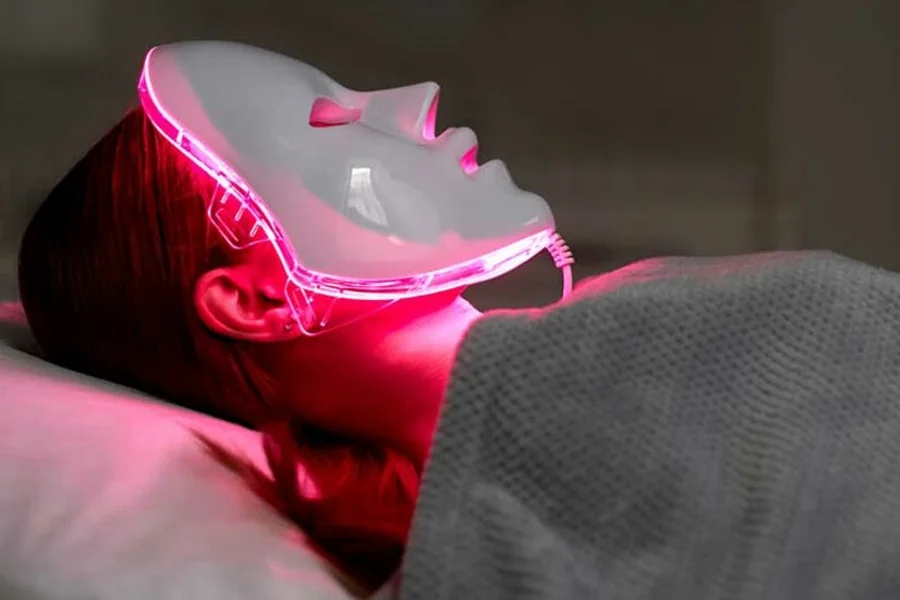
Decades of research has been behind Retinol, and it is commonly referred to as the gold standard topical wrinkle ingredient. The newcomers to the same discussion is red light therapy which is a device based approach. The direct comparison between the two is a routine question and a reasonable response to this question is to examine the functionality of both of them as opposed to presuming that either of them is any better or worse than the other.
How Retinol Works
The derivative of vitamin A, retinol, acts mainly by accelerating the cell turnover and triggering skin cells to act younger, which in the long-term promotes collagen synthesis and texture. Another concern with a well-documented capacity to treat other concerns, such as uneven tone and clogged pores, it is a wider-ranged treatment as compared to one that is exclusively collagen-centered..
How Red Light Therapy Works
Red light therapy for wrinkles works through a fundamentally different pathway, stimulating mitochondrial energy production that fuels collagen synthesis directly, without affecting cell turnover in the way retinol does. It does not address pore congestion or cell turnover-related concerns the way retinol can.
Why This Distinction Surprises Some People
The widespread belief is that a more modern and costly product should just be a more powerful form of an older and less expensive ingredient such as retinol. As a matter of fact, the two do not lie on the same continuum whatsoever, they are different tools that target the same processes in biology but which are not exactly the same, and that is how apples-to-apples comparisons between the two are somewhat misleading without this context.
Side Effect Profiles Differ Significantly
Retinol generally triggers an acclimatization stage that is marked by drying, peeling, and high sensitivity to the sun, especially at first or when strength is intensified. The irritation profile of red light therapy is much lower among most users, and does not require the same time to adaptation as retinol, making it a gentler option to those with reactive or sensitive skin.
Comparing the Evidence Base
Retinol has a more extensive history of research, specifically on wrinkle reduction. The evidence base of red light therapy, although truly plausible and expanding, is relatively more recent. Dermatology-reviewed comparisons of topical and light-based anti-aging products indicate a measurable benefit in both methods of the fine lines and texture, though in different ways, and this is why these two methods should be considered a complementary but not necessarily competing option.
Can You Use Both Together
Numerous dermatologists will not prescribe either of the two but instead recommend their combination due to their differing mechanisms of action and their ability to have a more comprehensive effect on the body. The primary factor is timing: You can take retinol at night and light therapy on another day or on alternating days, in case you have a sensitive skin that can be easily irritated by the combination of active treatments. Guidelines to combining actives and light-based treatment include detailed guidance on specific sequencing.
Which Is Better for Sensitive Skin
In skins that have difficulty in adapting to the adjustment phase of retinol, red light therapy is a less-irritating option to achieve similar collagen-related results, despite not potentially matching retinol in cell turnover and skin texture.
Which is more effective in achieving quicker results?
Sometimes, retinol, especially with more prescription material, may induce visible change a little quicker than light therapy in some issues, but both will need weeks to months of continuous use to produce significant results. Both should not be expected to work over night.
Cost Considerations
Retinol needs continuous re-buys as a topical application whereas the light therapy device is a bigger initial cost with no per-use charge. In the long-term perspective, the device route may become a more cost-effective one, with the initial cost being a genuine factor to a few budgets.
Making the Choice That Fits You
Both of these options are not always better in all circumstances. The sensitivity in the skin, cost, capacity to tolerate the topical adjustment period, and whether you wish to focus on issues other than wrinkles, per se, all weigh in which approach, or combination of approaches, makes the most sense to your particular skin.
What Dermatologists Commonly Recommend
Most dermatologists recommend using the one that better fits the existing skin tolerance and lifestyle of a person as opposed to one that is defaulted as better. A newish active skin with sensitive skin could be advised to start with light therapy initially, whereas someone with higher tolerance to topical actives and willingness to gain broader-spectrum effects could be advised to start with retinol first, or to implement both, but slowly and one at a time.
Reassessing the Comparison as Your Skin Changes
The toleration changes with age, a person who was unable to tolerate retinol in their twenties may be able to tolerate it later or vice versa. This means that you can periodically re-examine this comparison, and not expect an initial choice to be fixed forever, so that over time, as your skin and priorities adjust, so can your routine.
The Bottom Line
Red light therapy and retinol are not directly substitutable, they exhibit different mechanisms of action with varying strengths, side effect programs and evidence bases. Instead of making this an either-or decision, most individuals discover that a balanced approach of using both, albeit with judicious timing, can yield more holistic outcomes than using one or the other.