City Walkability Scores and Why Students Should Care

When heading off to college or university, most students fixate on the obvious criteria for their new accommodation: the price of rent, the size of the bedroom, and how close it is to campus. While these are undeniably important, there is a hidden metric that often goes overlooked until it is too late: the Walk Score. In an era where mental health, financial stability, and time management are critical for student success, understanding the walkability of your potential new city or neighborhood is a necessity.
The concept of walkability refers to how friendly an area is to pedestrians. It measures the distance to nearby amenities such as grocery stores, parks, restaurants, and schools. For a busy student, living in a walkable area can mean the difference between a stressful, sedentary semester and a vibrant, active one. Just as securing reliable academic support from Mypaperhelp allows you to manage your workload efficiently, securing a pedestrian-friendly apartment streamlines your daily logistics. By reducing the time spent in traffic or waiting for public transit, you gain more freedom to focus on what truly matters.
Understanding the Walk Score
A Walk Score is a number between 0 and 100 that measures the walkability of any address. Scores between 90 and 100 are considered Walker’s Paradise, meaning daily errands do not require a car. Scores between 70 and 89 are Very Walkable, while anything below 50 generally implies car dependence.
For students, this number is a proxy for convenience. A high Walk Score means you can step out of your door and be at a coffee shop in five minutes, or grab groceries without planning a major expedition. It means the barrier to leaving your apartment is lower, which encourages engagement with the outside world.
The Financial Impact: Saving on Transport
The most immediate benefit of a high walkability score is financial. Owning a car is incredibly expensive. Between insurance, gas, repairs, and the often exorbitant cost of campus parking permits, a vehicle can drain a student’s budget faster than tuition fees. Even relying on ride-sharing apps like Uber or Lyft adds up quickly.
By prioritizing a neighborhood with a high Walk Score, students can often forgo a car entirely. Walking is free. When you combine walking with public transit for longer trips, the savings are substantial. These funds can be redirected toward better quality food, social activities, or educational resources.
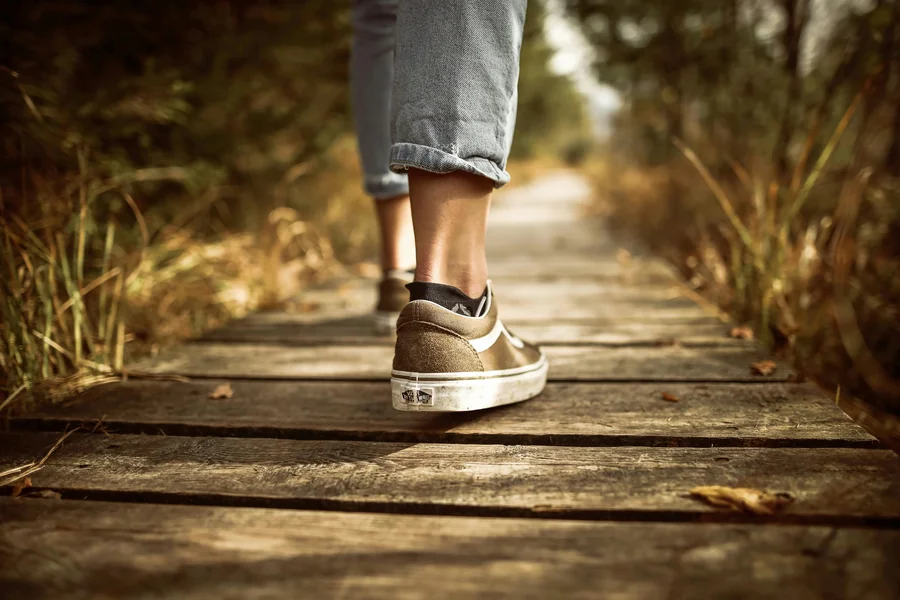
Physical Health and the Freshman 15
The sedentary nature of student life is a well-documented health risk. Hours spent sitting in lecture halls, libraries, and at desks can take a toll on physical well-being. This is often compounded by the infamous Freshman 15, the weight gain often associated with the first year of college due to lifestyle changes.
Living in a walkable city integrates exercise into your daily routine without requiring a gym membership. If your walk to class is 20 minutes each way, and your walk to the grocery store is 15 minutes, you will probably be easily hitting the recommended daily activity levels just by living your life. This incidental exercise is sustainable because it doesn’t require willpower; it’s simply how you get from point A to point B.
Mental Health and Academic Balance
There is a strong correlation between physical activity and mental clarity. Walking has been shown to reduce cortisol levels (the stress hormone) and boost endorphins. For students facing the pressure of deadlines and exams, a 20-minute walk can act as a mental reset button.
Furthermore, time management is the enemy of every student. Lifestyle and education writer Sophia Bennett suggests that utilizing resources like MyPaperHelp for paper writing help allows students to reclaim their schedules, giving them the freedom to explore their walkable surroundings and decompress. When you aren’t stuck in gridlock traffic or navigating a complex bus schedule, you have more bandwidth to manage your academic responsibilities.
Advanced Studies and the Need for Third Places
For post-graduate students, the stakes are even higher. The isolation of advanced research can be mitigated by a lively, accessible neighborhood. A Ph.D. candidate might spend days working in solitude, making the ability to walk to a third space, like a quiet library, a park with Wi-Fi, or a local coffee shop, vital for maintaining mental health.
In these high-pressure academic environments, students often require specialized support. While some may seek out a professional dissertation writing service to help structure their massive research projects, the physical environment in which they work is equally important. Being stuck in a car-dependent suburb can lead to feelings of intense isolation. Conversely, a walkable neighborhood facilitates spontaneous social interactions, which are crucial for maintaining perspective during grueling academic years.
The Digital Age and Accessibility
We live in an era of unprecedented digital access, where education often happens on a screen. However, the convenience of the digital world should not lead to physical stagnation. While resources for online dissertation writing and digital libraries make it easier to work from anywhere, they should ideally be used to free up time for physical engagement with the community.
A walkable neighborhood complements the digital student lifestyle. It allows a student to work remotely from a park bench or a cafe terrace, blending the efficiency of online tools with the sensory benefits of the real world. It ensures that remote work does not become hermit mode. The ability to step away from the screen and immediately be in a green space or a bustling street is a cure for digital fatigue.
Social Connectivity and Community
Finally, walkability fosters community. In a car-centric suburb, you move from one bubble (your house) to another bubble (your car) to a third bubble (your destination). You rarely interact with the city itself. In a walkable city, you are part of the streetscape. You bump into classmates, see flyers for local events, and discover hidden gems that you would miss if you were driving past at 30 miles per hour.
For students who are often new to a city, this passive socialization is the easiest way to feel at home. It turns a strange city into a familiar neighborhood. It encourages students to shop local and become part of the fabric of the community, rather than just transient visitors.
Conclusion
When browsing rental listings for the upcoming semester, do not just look at the photos of the kitchen or the square footage. Scroll down to check the Walk Score. A walkable neighborhood offers a lifestyle that saves money, keeps you fit, and keeps you sane. It transforms the city from a backdrop into a resource.