Conscious Conversations Around Non-Surgical Enhancements
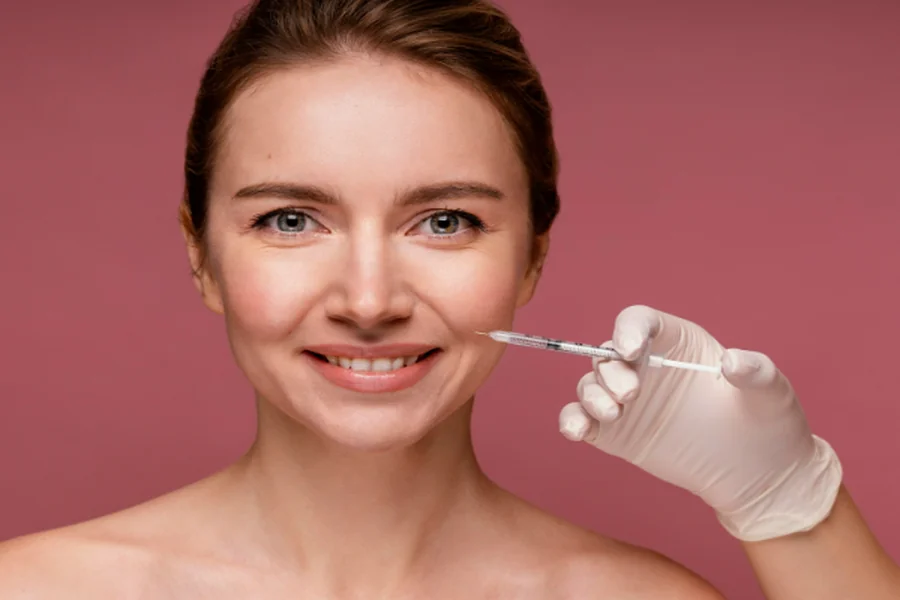
The first time someone casually mentioned Botox injectable over coffee, I remember blinking a little too long. Not because it shocked me. More because of how normal it sounded. Like talking about switching moisturizers. Or trying oat milk. No whispering. No drama. Just—yeah, I tried it.
And maybe that’s the point. Or maybe that’s exactly what we should be slowing down to talk about.
Non-surgical enhancements live in this strange in-between space now. Not taboo, not exactly celebrated either. Just… present. Everywhere. On your feed. In your group chats. In your own bathroom mirror at 8 a.m. when you tilt your head and think, Is that new?
You’re not necessarily against it. You’re not rushing toward it either. You’re just curious. Thoughtful. Maybe cautious. Probably a little conflicted.
Good. That’s where conscious conversations start.
What “Conscious” Even Means Here (Because It’s Vague, I Know)
When people say conscious in this context, they usually mean informed. Intentional. Not reactive. Not “I booked it because everyone else is doing it and I panicked.”
It’s the difference between:
- “I hate my face.”
and
- “I want to soften this one thing because it bothers me, and I’ve thought it through.”
That pause matters.
According to the American Society of Plastic Surgeons, non-surgical procedures like neuromodulators and fillers have steadily increased over the last decade, largely driven by patients in their late 20s to early 40s. Not because they want to look “done,” but because they want to look rested (their word, not mine).
Dr. Doris Day, a board-certified dermatologist, once put it simply: “The best cosmetic work is invisible. People should say you look great—not ask what you had done.”
That line stuck with me. Invisible. That’s a surprisingly high bar.
The Mirror Test (A Small, Honest Check-In)
Here’s something I started doing—maybe you already do this too.
Before considering anything, you stand in front of the mirror. No filters. No zooming in with your phone camera like you’re doing forensic analysis (well… maybe a little). You just look. And you ask:
- What actually bothers me?
- How long has it bothered me?
- Would I still care if no one else noticed?
The first time I really did this, I realized half the things I thought I wanted to “fix” were things I’d never noticed until someone else pointed them out online. Which felt… unsettling.
A 2023 study published in JAMA Dermatology found that social media exposure significantly influences cosmetic treatment interest, especially among younger patients. The more comparison, the more dissatisfaction. Not shocking. Still uncomfortable.
Awareness doesn’t mean you’re immune. It just means you’re paying attention.
Non-Surgical Doesn’t Mean No Big Deal
There’s this myth that if it’s non-surgical, it’s casual. Like getting your brows done.
It’s not.
Even minimally invasive procedures affect your face, your expressions, your sense of self. That deserves respect.
Dr. Jean Carruthers, one of the pioneers of cosmetic Botox use, has emphasized that dose, placement, and restraint matter more than the product itself. Over-treatment is usually the problem—not the treatment.
Which brings us to something people don’t love talking about…
The Pros and the Trade-Offs (Because Both Exist)
Potential Upsides
- Subtle softening of lines without surgery
- Temporary results (nothing is forever—relief, honestly)
- Can be preventative when used conservatively
- Often boosts confidence in very specific, targeted ways
Real Trade-Offs
- Cost adds up over time (it really does)
- Results depend heavily on provider skill
- Emotional risk: chasing “perfect” is a slippery slope
- Possible side effects, even if rare
The first time I saw someone overdo it—someone I knew, not a celebrity—I honestly thought it looked fake. Not bad. Just… disconnected. Like their face stopped mid-sentence.
That image tends to surface whenever I think, Maybe I’ll try just a little more next time…
Choosing a Provider Is the Real Procedure
If there’s one place not to be casual, it’s here.
A qualified injector isn’t just trained in technique. They’re trained in facial anatomy, aging patterns, and—this part matters—saying no.
The International Society of Aesthetic Plastic Surgery (ISAPS) stresses that ethical practitioners prioritize harmony and long-term facial health over trends.
If your provider doesn’t ask about:
- your goals,
- your lifestyle,
- your emotional relationship with appearance,
…that’s a red flag. A quiet one. Still a red flag.
Pro Tip:
If a consultation feels rushed, it probably is. A good provider will talk more than they inject.
Talking About It Without Turning It Into a Competition
Have you noticed how these conversations can turn weird fast?
One person shares. Another one-ups. Suddenly it’s less about choice and more about comparison.
You’re allowed to:
- do it and not announce it,
- talk about it without evangelizing,
- choose not to do it and still be curious.
Psychologist Dr. Tara Well notes that body-focused self-awareness can either increase self-compassion or intensify self-criticism, depending on intention. In other words, how you talk about enhancements—especially with friends—shapes how everyone feels in the room.
Sometimes the most conscious thing is changing the subject.
Timing, Age, and the Myth of “Too Early”
You’ve probably heard:
- “Start early.”
- “Wait as long as possible.”
Both are oversimplifications.
A review in Aesthetic Surgery Journal suggests that preventive neuromodulator use can be effective when individualized—not when standardized by age. Facial movement patterns matter more than birthdays.
So no, there’s no universal “right time.” Just your time. Or not.
And that answer can change. You’re allowed to change your mind. That’s not hypocrisy. That’s being human.
Read More: Update Your Look with New Lenses in Your Favorite Frames
Where Consciousness Slips (And How to Catch It)
It usually slips when:
- you book impulsively,
- you compare your results to someone else’s,
- you treat discomfort as motivation instead of information.
I’ve caught myself scrolling before an appointment, mentally adjusting expectations based on strangers’ faces. That’s when I know I need to pause. Log out. Reset.
Pro Tip:
If you wouldn’t make the decision after a bad night’s sleep or an emotional week, don’t make it then either.
So… Is This About Beauty or Control?
Honestly? Both. And that’s okay to admit.
There’s something grounding about choosing how you present yourself in a world that constantly comments on your appearance anyway. But control can quietly turn into pressure if you’re not checking in.
Dr. Paul Jarrod Frank once said, “Cosmetic treatments should support identity, not replace it.”
That feels like a good north star.
Final Thoughts
Conscious conversations around non-surgical enhancements aren’t about convincing anyone of anything. They’re about slowing down. Adding nuance. Letting choice exist without performance.
You don’t need a moral stance. You don’t need a justification speech.
You just need honesty—with yourself first.
Maybe you’ll try something. Maybe you won’t. Maybe you already did and feel good about it. Or unsure. Or both.
That uncertainty? That’s not a weakness.
That’s awareness.
And honestly… that might be the most beautiful part of the whole conversation.