Footwear Designer Jobs in Sustainable Fashion: What Brands Are Looking For
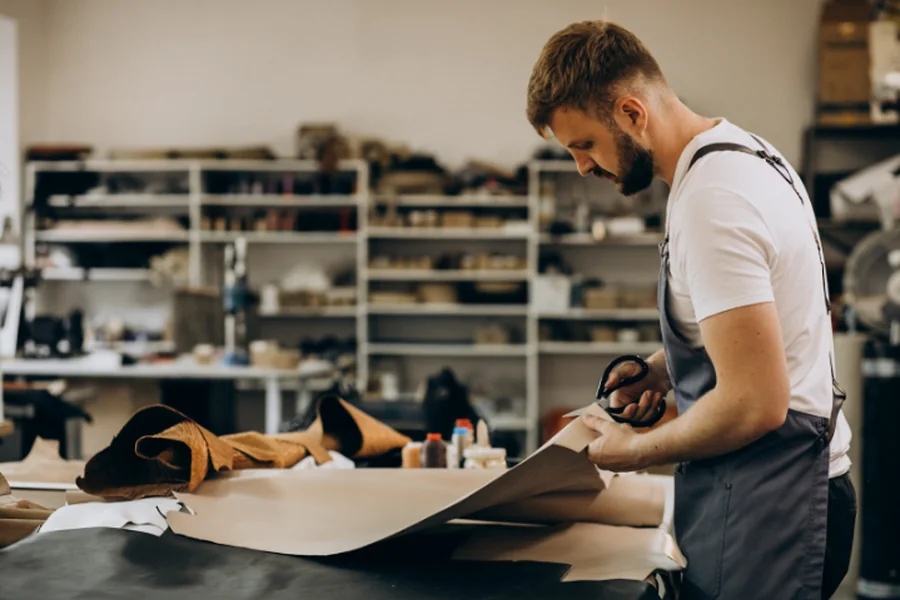
For the past few decades, people have been choosing fast fashion and trends over comfort, and this decision has damaged both people and the planet. Our feet are connected to the entire body – the spine, joints, and even the brain, just like in nature, the organism is connected to the whole ecosystem. Sustainable fashion is an eco-friendly response to the old order that brings us an eco-friendly approach to footwear.
The new field has cleared a way for young specialists. They are ready to learn, adapt, and launch new ideas. This is exactly what companies are looking for in a footwear designer in their vacancies. But does it make anything easier? What’s happening in the US now, and what kind of candidate are companies looking for? We’ve analyzed the market and are ready to unwrap how it works today!
Why Sustainable Footwear Design Is in Demand
Some people still don’t believe in eco-activism: how our everyday choices can save the world? But it bears fruit – just remember plastic straws and sea turtles. Real results generated industry buzz, and companies responded.
Today, sustainable fashion is no longer a niche, and even mass-market brands use recycled materials for clothing. But at the same time, footwear requires more effort, yet people already want to switch to sustainable options.
Moreover, shoes are considered one of the dirtiest categories – you use many different materials, glue, chemical solvents, and microplastics. They’re difficult to replace with eco-friendly alternatives, and many designers aren’t even considering sustainable fashion for footwear – they find it too complicated.
All in all, demand is growing disproportionately to supply: it’s as if consumers are moving faster than the industry. Not great news for the niche as a whole, but great news for us, because work is easier to find. Really?
What a Sustainable Footwear Designer Actually Does
Before thinking about switching to a new product category, we need to fully understand what these specialists do. Their typical work cycle consists of the following tasks:
- Materials. Starting off strong: the goal here is to select materials that work together, are durable, eco-friendly, and seasonally appropriate.
- Construction and design. We need to remain environmentally friendly, so specialists minimize glue, develop designs that can be disassembled and remade during production, and balance aesthetics and functionality.
- Tests. Durability tests are the reason why it’s important to create models that are ready for revision. You’ll likely need to refine the ergonomics based on wear points and deformations.
- Compliance with standards. If you work for a big company, they may also have a dedicated team that monitors the latest trends and approaches. Together, you evaluate the model’s environmental footprint, change materials, and adapt the design to the audience.
The sustainable footwear concept is still being developed for many brands, and they’re open to new ideas. This is what attracts young professionals and flexible creators to this niche – there’s less chance of having to bend to investors’ wishes.
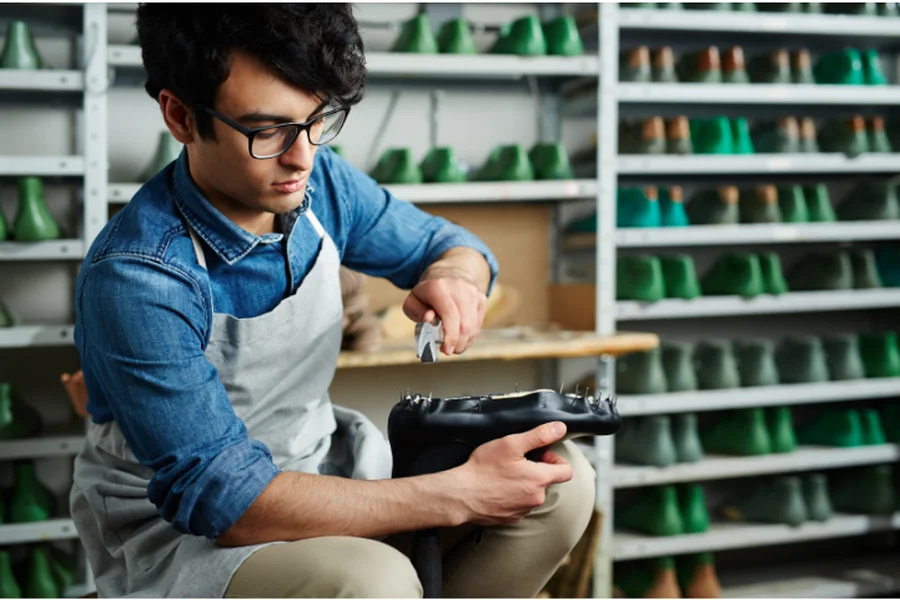
Skills and Qualifications Sustainable Brands Look For
The B2C market doesn’t tolerate mistakes, but it’s open to new ideas. Large brands often have sustainability teams that manage their designers’ work, which allows newcomers to adapt and learn quickly. In any case, these skills are required:
- Education and formal qualifications. This is an important point that demonstrates knowledge of the theory, but your portfolio says much more.
- Business awareness. Any idea costs money these days – you must be able to stay within budget and work within client expectations and business plans.
- Footwear design fundamentals. Without this, everything else is irrelevant. If you know the principles of ergonomics, digital tools like CAD and tech packages, this already provides a strong foundation.
- Lifecycle and systems thinking. This is the hallmark of a sustainable designer – they understand the product lifecycle and have a “from raw materials to disposal” mindset, making shoes last longer.
Sustainable brands don’t rely on slogans but rather on designers who can transform sustainability ideas into working products.
Experience That Gives Candidates an Edge
“But if I’m not the ideal candidate, how will I get this job?” Surprisingly, this is one of those fields where you can compensate for a lack of real experience with soft skills. Companies understand their situation, and they prioritize people who can quickly integrate and collaborate with other departments to create new solutions. Therefore, if you have basic design skills, experience working with alternative materials, and a creative mind, you can submit your resume and portfolio without any worries.
US Brands Hiring Sustainable Footwear Designers
As we’ve already mentioned, eco-friendly footwear is still new to the US market. And that’s actually good news – this is your chance. Big companies like Nike, New Balance, Under Armour, Crocs, and local running and activewear brands responded to the new trend first – and they still need more people. Don’t you think it is a perfect opportunity to start your career in a big company?
How to Prepare for a Career in Sustainable Footwear Design
If you’ve already mastered the niche and gained some theoretical knowledge, it’s time for the next step. Your greatest strength lies in your portfolio and test assignments. The more you demonstrate your soft skills and strengths in commercial projects, the easier it will be to land a job. Stay flexible, keep learning, and give your ideas a new lease on life!