From Forest to Fork: How Ethically Sourced Wood Shapes Restaurant Tables
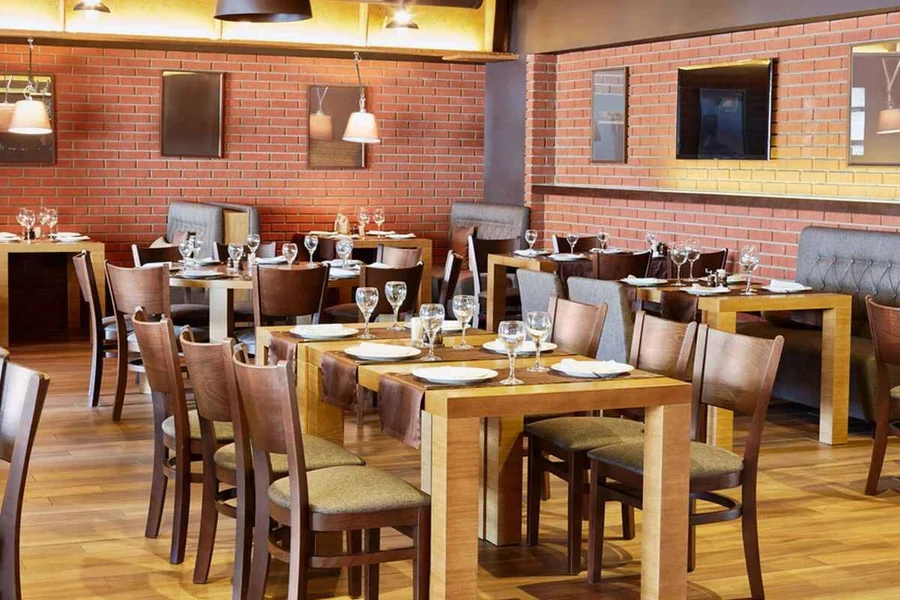
There is more to a restaurant table than meets the eye. It carries not just meals but meaning. In today’s hospitality world, more restaurants are embracing sustainability, not only in the food they serve but in the furniture they select.
The use of ethical wood furniture is picking up throughout the industry. Be it recycled oak or walnut, sourced in responsible ways, these decisions echo the values that visitors are passionate about. The environment-friendly design does not only follow a trend; it is a long-term change. With the sustainable restaurant furniture market growing rapidly, restaurants that prioritize ethical sourcing are positioned to stand out.
Diners are also more mindful of where and how products are made. A large number of consumers now base their dining decisions on whether a restaurant reflects their values. The story of furniture made of sustainable materials touches people very close to their hearts rather than their eyes.
What Is Ethically Sourced Wood?
The start of ethical wood starts with an harvest method. FSC and PEFC managed forests mean the trees are cut down in a manner that does not impair later environmental wellbeing. Such forests are never overexploited but well regenerated by sustained reafforesting.
This sourcing process transcends to nature. It seeks to make the process to be fair to the people involved in working in them where wages are good and working conditions are safe. The carbon footprint is also reduced through ethically sourced wood unlike other timber that has been acquired without control.
Certifications and eco-labels back the process. They guarantee that each piece of wood has passed rigorous standards and third-party verification, offering peace of mind to businesses and customers alike.
Why It Matters for Restaurant Tables
One of the first things the guests see is furniture. Tables made of sustainable wood enable the establishment of a sense of safety and attention. They are demographic of a restaurant itself and reflect commitment to well-considered decisions.
In addition to being beautiful, ethically sourced hardwood is durable. It withstands daily use without losing its charm. Many designs feature natural finishes, reclaimed textures, and low-VOC materials that align with clean air and wellness values.
Each table becomes a unique expression of the space. Reclaimed wood especially adds charm through its imperfections and grain. Many diners are happy to spend more when they feel the environment supports the greater good.
Environmental Impact and Forest Conservation
Choosing certified wood furniture directly supports global forest preservation. Sustainably managed forests remove more carbon from the atmosphere and allow diverse species to thrive in protected habitats.
The effects ripple out further. Using responsibly harvested wood prevents large-scale deforestation and curbs destructive clear-cutting practices. Replanting efforts maintain forest health and ensure that the land continues to serve future generations.
By making mindful furniture choices, restaurants contribute to the larger climate conversation. Even one sustainable table helps protect vital ecosystems and slows the harmful pace of global deforestation.
Influence on Brand Identity and Guest Perception
Atmosphere plays a major role in the guest experience. Sustainable tables reflect a restaurant’s deeper values, leaving a lasting impression. When guests sit at a table that looks and feels connected to nature, they often feel more at ease.
The choice of furniture can support storytelling throughout the brand. Whether through menu design, website messaging, or table signage, restaurants can share the meaningful story behind their furnishings. This builds deeper customer loyalty and draws in people who care about ethical business practices.
A dining space with warm, natural wood surfaces can feel more welcoming. That connection can turn a first-time diner into a regular customer who appreciates the thought behind every design element.
Design Versatility of Ethically Sourced Wood
One of the greatest strengths of sustainable wood is its range. It adapts easily to multiple interior styles. Whether aiming for a modern aesthetic or a rustic café charm, there is a certified wood finish to match.
Restaurants can also get creative by blending wood with metal, bamboo, or even recycled materials. Modular table designs make it easy to reconfigure a space while maintaining environmental values. These pieces often become long-lasting fixtures thanks to their repairable nature.
Designers especially love the character of reclaimed wood; it has a certain tone of minimalism while still being a premium choice for designs. Knots, varied tones, and uneven grains turn each table into a one-of-a-kind piece, which adds personality to the dining area.
Sourcing Challenges and Industry Innovation
Securing a steady supply of certified wood can take time. Since demand is growing, lead times may be longer. However, many restaurants are finding that the wait is worth it. The premium cost pays off over time through durability and customer appeal.
The industry is also evolving quickly. Technology is making it easier to track sourcing and confirm certifications. Tools like product passports and blockchain data give buyers full insight into the wood’s journey.
With new low-emission finishes and better adhesives, sustainable furniture is lasting longer and performing better than ever. Manufacturers are meeting demand by expanding their ethically sourced collections.
Economic Considerations: Premiums and Market Dynamics
Sustainable furniture isn’t just good for the planet, it’s also good for business. Many customers, especially younger generations, are willing to pay more for restaurants that reflect their values. Ethical choices can influence spending habits and elevate the entire dining experience.
Furniture made from sustainable wood has been growing in sales faster than traditional pieces. This trend is reflected in the restaurant sector too. The value added by these tables is not just environmental but financial.
Owners can position these tables as part of their brand story, which justifies modest pricing premiums. In turn, it enhances profit margins and guest satisfaction at the same time.
A Greener Table, A Brighter Future
Every sustainably sourced table represents a thoughtful decision. It’s a sign that a restaurant takes pride not just in what it serves, but in how it serves it. Ethical sourcing turns a simple piece of furniture into a statement of purpose.
The impact of these choices is far-reaching. They protect forests, support communities, and inspire a new generation of diners to make values-based decisions. Restaurants that align their design with environmental awareness build stronger reputations and deeper trust with their guests.
Looking ahead, the hospitality industry will continue to evolve. Those who lead with care, creativity, and conscience will be the ones shaping the future. A table made with integrity sets the tone for an entire dining experience, one that guests will remember and return to.