Gentle Relaxation Habits For An Eco-Friendly Lifestyle
Juggling is part of life in the modern world. We want to slow down, but we also want our everyday choices to reflect the values of sustainability and being mindful of the planet.
The problem is that many classic relaxation rituals, whether lengthy soaks in the bathtub with your favorite chemical-laced products or expensive, over-the-top spa sessions, come with a different kind of payment.
This issue has stimulated ever-increasing interest in low-impact relaxation rituals. These might not necessarily offer up an immediate transformation, but they do encourage a kinder rhythm that corresponds with not only personal well-being but also ecological responsibility.
Rethinking Everyday Rituals
Relaxation can be simple. Indeed, sustainable consumption scholars frequently claim that menial acts performed over and again might even hold more promise than those singular moments of guilty pleasure. A silent tea ceremony, mindful breathing, or even a short walk in natural light can help you get a moment of calm without excess.
It’s in this conversation that functional beverages, like mushroom teas and Crescent Canna THC drinks, are getting so much traction. These beverages are easily incorporated into everyday routines and provide soothing wellness benefits.
Although research is ongoing, this shift is part of a larger conversation about the way substances intersect with lifestyle choices. Is relaxation supposed to be all organic or can some thoughtful design help us live sustainably?
Integrating Nature Into Relaxation
Small, earth-friendly practices often take a cue from the natural world. Being outside, even briefly, has been linked to higher levels of happiness and lower stress. Ecopsychology posits that humans experience a sense of peace while connected to Landscapes represent an idea that aligns with the increasingly popular sustainability movements advocating for reciprocity with the Earth.
Low-resource approaches such as grounding techniques, which involve focusing on physical contact with soil or grass, can be restorative options for communities. These methods accentuate how relaxation can be affordable and eco-friendly, too.
Movement And Mindfulness
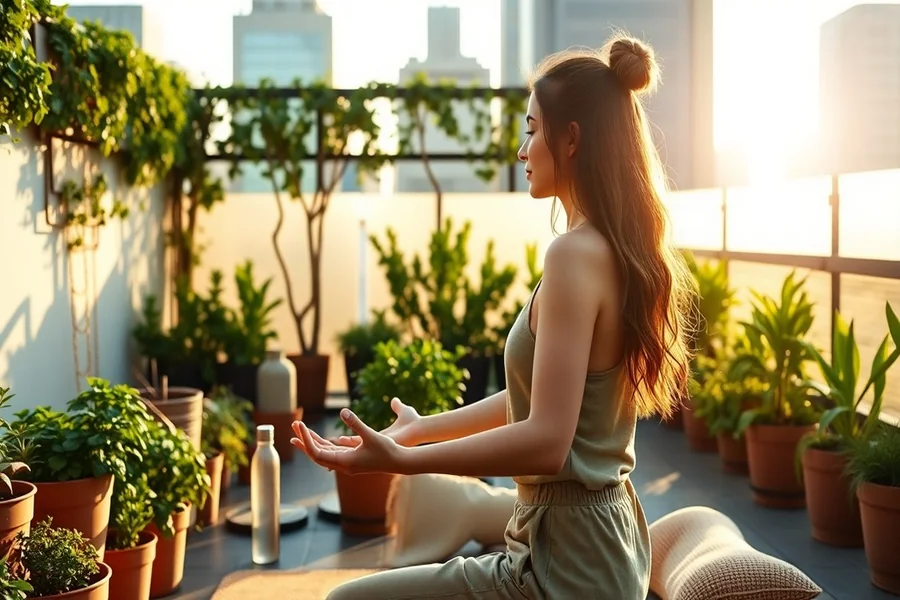
Low-impact rituals are also popular in the realm of physical exercise. Gentle yoga, stretching, or slow dance. Also, the movement affects emotional states, and so relaxation is conceived as not just mental but deeply physical.
The mindfulness part of exercising augments this with more focus on breathing and feeling. Movement and mindfulness combined make a holistic approach that doesn’t require the time and resources of highly commercialized wellness regimens.
Community And Shared Practices
Relaxing is typically thought of as solo time, but community rituals can offer more profound rewards. Group meditation, shared meals, or collective walks connect us while taking up less time than if we’d done them alone. That sense of calm can be heightened by community, since social ties serve as buffers against stress.
These practices will also adhere to sustainability principles via the promotion of resource sharing. This is something that needs far fewer materials per person than individual caving-in can, demonstrating the way in which relaxation can be both socially and ecologically efficient.
Trending: Enduring Calm In 2026
Meanwhile, as wellness trends shift and change, low-impact habits may take on new prominence in sustainable living. Increasing interest in functional beverages, mindful movement, and nature-based practices indicates that people are seeking balance without sacrificing values.
Detractors are likely to continue playing a crucial role, reminding us to examine supposed truths and resist overconsumption of the kind veiled as wellness. But the larger arc is in the direction of integration: relaxation that works to support both personal health and planetary care.
Kind Choices That Make a Difference
It doesn’t have to be a high-cost relaxation. With low-impact rituals such as conscious breath, nature connection, and responsibly sourced functional drinks, people are able to develop a sense of calm while adhering to sustainable values. The strange part is, simplicity is often stronger than excess. By selecting rituals that honor body and earth, we make relaxation and sustainability a way of life.