How Faith-Inspired Accessories Fit Into Everyday Life
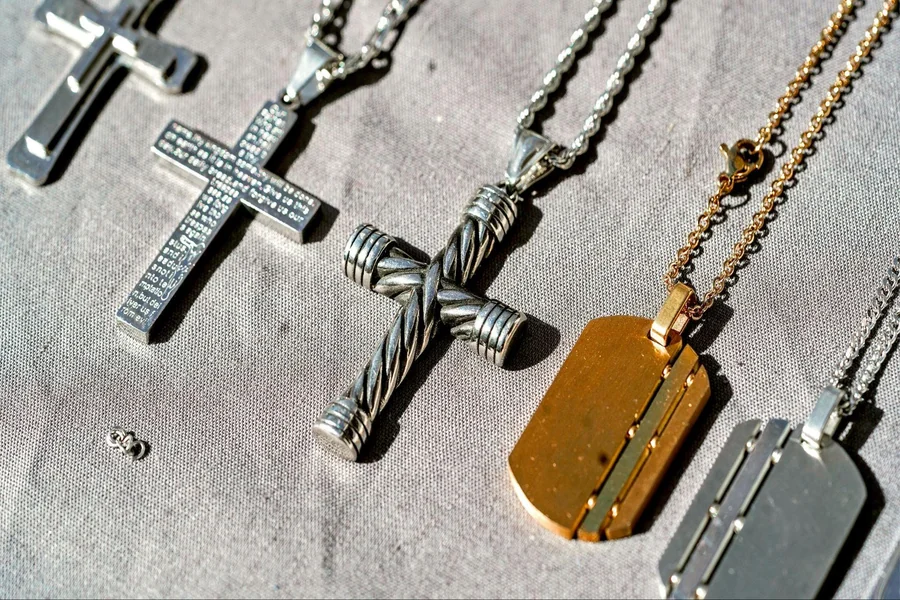
Faith-inspired items are no longer reserved only for places of worship or special occasions. For many people, expressions of belief are woven into daily routines through small, intentional choices. This is where items like a christian tote bag naturally fit in, offering a practical object that also reflects personal values. Rather than making a statement for attention, faith-inspired accessories often serve as quiet reminders of belief carried into ordinary moments.
These everyday items help bridge the gap between spiritual life and practical responsibilities.
Faith Expression Beyond Formal Settings
Modern faith practice often extends beyond scheduled services or designated spaces. People look for ways to stay grounded in their beliefs while navigating work, errands, family responsibilities, and social commitments. Accessories that integrate seamlessly into these routines allow faith to remain present without disrupting daily life.
Because these items are used regularly, they reinforce consistency rather than symbolism alone. Faith becomes part of lived experience rather than something separated from everyday activity.
Practicality as a Key Design Element
One reason faith-inspired accessories work well in daily life is their practicality. Items chosen for everyday use must serve a clear function, carrying belongings, organizing essentials, or supporting routine tasks. When design prioritizes usability, the faith element feels integrated rather than ornamental.
This balance allows accessories to remain relevant over time, avoiding the sense of novelty that can cause symbolic items to fall out of regular use.
Subtlety and Personal Meaning
Faith-inspired accessories often communicate meaning quietly. Rather than bold or overt messaging, many people prefer subtle design cues that feel personal. This approach respects the individual nature of belief and allows faith to be expressed without requiring explanation or external validation.
Subtle expressions are also easier to carry into diverse environments, from workplaces to public spaces, where discretion may be valued.
Reinforcing Identity Through Routine
Everyday objects play a role in shaping identity. Items that are handled, worn, or carried regularly become part of how people experience their day. Faith-inspired accessories contribute to this process by reinforcing values through repetition rather than instruction.
Over time, these small reinforcements can support mindfulness, reflection, and a sense of continuity between belief and action.
Community and Shared Recognition
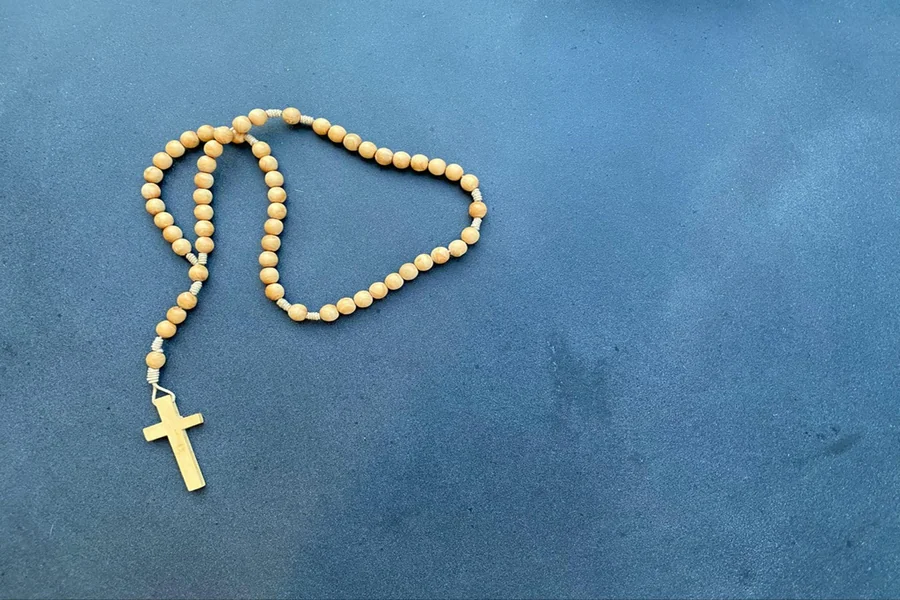
While many faith expressions are personal, they can also create quiet moments of connection. Recognizing shared symbols or messages can foster a sense of community without requiring direct conversation. These moments are often brief but meaningful, reinforcing belonging in subtle ways.
Such connections tend to feel organic rather than forced, arising naturally from shared values.
Faith, Routine, and Emotional Wellbeing
Integrating faith into daily routines can also support emotional wellbeing. Familiar objects associated with belief often provide comfort during stressful or uncertain moments. They serve as tangible reminders of hope, purpose, or grounding principles.
Psychological research has shown that personal symbols connected to meaning and values can help reduce stress and support resilience. Organizations such as the American Psychological Association have noted that meaningful personal items can play a role in emotional regulation by reinforcing identity and purpose.
Read More: Promotional Tote Bags: Custom Designs for Your Brand
Adapting Faith Expression to Modern Life
As lifestyles become busier and more fragmented, people often seek faith practices that are adaptable. Accessories that travel easily and serve practical functions align well with this need. They allow belief to move fluidly through different parts of the day without requiring dedicated time or space.
This adaptability helps maintain consistency even when schedules are unpredictable.
Avoiding Performative Expression
A key reason many people gravitate toward understated faith-inspired items is the desire to avoid performative expression. The goal is not to display belief, but to live it quietly and authentically. Everyday accessories support this intention by blending meaning with function.
This approach aligns with a broader cultural shift toward sincerity over display in personal expression.