How Fast Does Testosterone Therapy for Men Start Working?
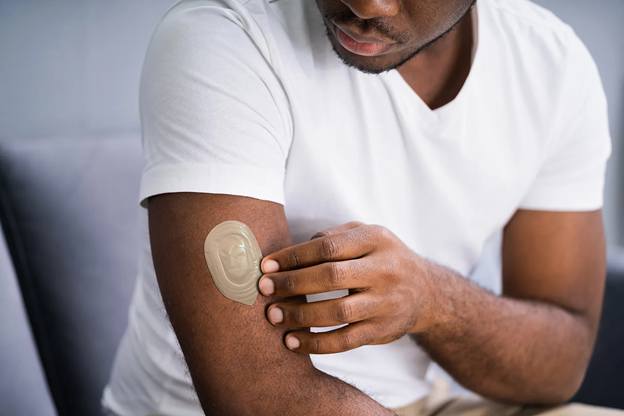
Low testosterone can make a man feel older than he is. The mornings seem slow, work seems harder, and the gym seems like a waste of time. Even date night seems a bit distant.
Testosterone Therapy for Men can be beneficial in cases where the levels are low and symptoms are present. Nevertheless, it’s not a switch that turns on and off instantly. Some changes are early and others are slower, taking a few months to appear.
A fairly good plan must contain blood tests, honest symptom tracking and regular check-ins with a licensed medical provider. In the U.S. safe care involves using the correct medicines.
How quickly does testosterone therapy start working in men?
Most men begin noticing changes between four and twelve weeks. Early signs may include better drive, steadier mood, and more morning energy. However, body changes often need more time. Full results can take three to six months, sometimes longer.
TRT Timeline by Symptom
TRT results do not arrive all at once because each symptom changes at its own pace.
Libido & Sexual Function
Libido is often one of the first areas men notice. Many men feel sexual desire return within three to six weeks. For some, it starts with more interest, better morning erections, or stronger response to touch. Sexual function may feel steadier around three months.
But it’s not all about testosterone. There are other factors too, such as blood flow, stress, sleep, alcohol, and medications. When desire increases, but erections remain poor, a provider might review the health of the heart, blood pressure and other risk factors.
Mood & Energy
Mood and energy can start shifting within three to four weeks. A man may feel less foggy, less flat, or less irritable. Energy often improves in the first four to six weeks. By six to twelve weeks, the mood may feel more stable. But TRT cannot, by itself, correct poor sleep or unabated stress.
For instance, people who work at night might still feel tired. Low thyroid, depression and sleep apnea are also possible culprits behind low energy. The best results come when those problems are checked too.
Muscle Mass & Strength
Muscle changes usually take longer than mood or libido changes. Most men notice strength and muscle changes around eight to twelve weeks. Peak effects often build over three to six months. The body needs time to use the hormone signal. Also, training still matters.
TRT can support muscle growth, but it does not replace lifting, eating protein, or sleeping well. A man who trains three days weekly may see clearer changes. On the other hand, no workouts often means slower progress.
Fat Loss
Fat loss often starts showing around ten to twelve weeks. It may continue for six to twelve months with steady care. Many men first notice a smaller waist, better workout stamina, or less belly heaviness. However, fat loss is usually gradual.
It often follows better muscle tone and higher daily movement. While TRT can aid the body in utilizing energy more efficiently, food still plays a role.
Late snacks, sweets and excessive alcohol consumption can slow things down. Lift weights, walk a lot, eat healthy food and monitor monthly progress.
Bone Density & Cardiovascular Health
Bone and heart-related changes are long-game results. Bone density may begin improving after six months or later. These changes are hard to feel day by day. A man will not wake up with stronger bones. Instead, doctors may use scans, labs, and risk checks.
Cardiovascular health also needs careful monitoring. Blood pressure, red blood cell count, cholesterol, and sleep habits all matter. In addition, exercise and weight control play a big role. TRT should be part of a health plan, not the whole plan.
When to Reassess Your TRT Dosage?
TRT dosage should be reviewed with labs, symptoms, and side effects.
Week 6: Initial blood test and symptom review
Around week six, many providers order the first follow-up blood test. This visit is more than a number. It’s about how the man feels in real life, such as his sleep patterns are better, his libido is getting better or his mood is calmer.
Also, whether there are any side effects such as acne, swelling, mood swings or breast tenderness. The provider might check total testosterone, free testosterone, estradiol, red blood cell count, and other tests.
Timing matters too, especially with injections. Blood should be drawn at the right point in the dosing cycle. This helps avoid a false picture. At this stage, many plans stay the same unless safety signs appear.
Month 3: Possible dosage adjustment based on patient feedback
By month three, patterns are easier to see. The early stages become clearer. Some men feel stronger, calmer, and more interested in sex. Others feel only small changes. This does not always mean TRT failed.
The dose may be too low. The delivery method may not fit well. Injections, gels, creams, and pellets can feel different for each man. Also, estrogen balance or red blood cell levels may need attention.
Patient feedback matters here. A good provider will ask direct questions about sleep, mood, workouts, sex, and side effects. Then changes can be made with care.
Ongoing: Follow up every 3–6 months depending on progress
After the early review period, follow-up usually continues every three to six months. Men doing well may need fewer visits. Men with side effects, changing symptoms, or higher risk may need closer care. These visits keep treatment safe and useful.
Labs may check testosterone levels, red blood cells, PSA when appropriate, liver markers, lipids, and estrogen. The provider may also review fertility goals, since TRT can reduce sperm production.
However, the visit should not feel like a cold lab review. It should cover real life things like energy, sex, mood, gym progress, waist size, sleep, and confidence.
Conclusion
Testosterone treatment can feel slow at first, but steady changes often come. You may notice changes in drive, mood, or energy before body changes appear. In the United States, safe care starts with labs and a real plan.
You should track sleep, strength, sex drive, and side effects closely. With patient follow-up, your TRT timeline becomes clearer, safer, and easier to manage. This makes each step feel less rushed and much more grounded.