How to Create Professional Videos Using an AI Video Generator
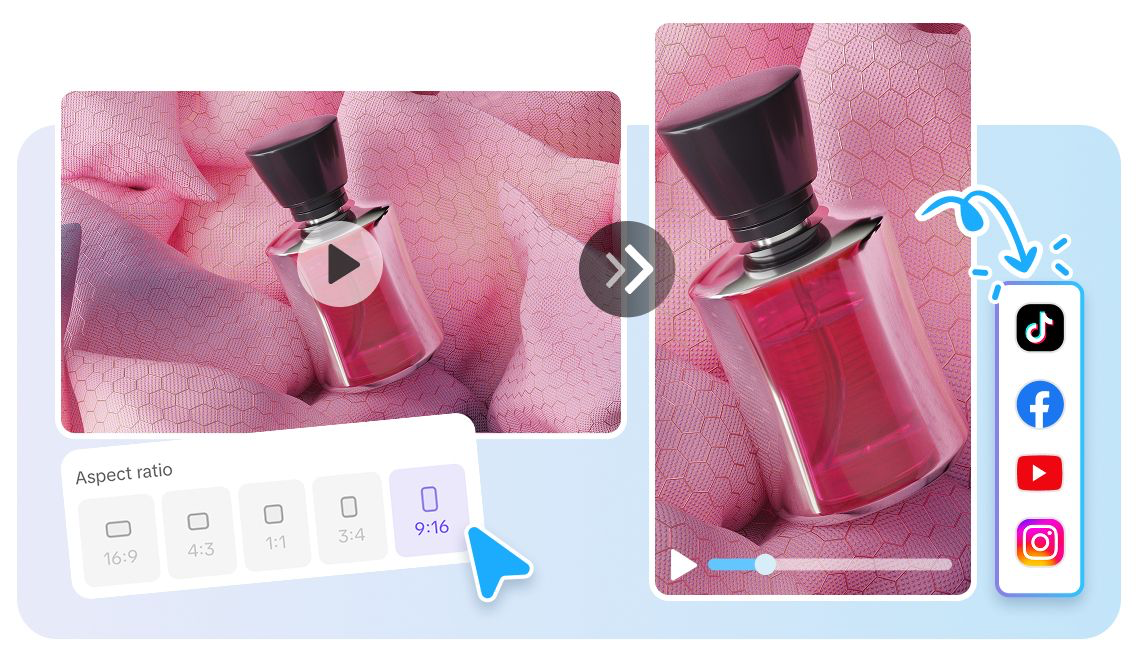
Video has been recognized as the most efficient means of communication on the internet. Videos are utilized by educators, businesses, and creators of various types of content to communicate with their audience, market products, and explain various concepts. The creation of videos has always been a time-consuming task that has demanded knowledge of video editing software. The process has been cumbersome, especially when creating videos, as it has been a time-consuming task. This is, however, made possible by the automation of the various processes of creating videos with the help of an AI video generator, as it has become an essential means of creating content in the modern world with the help of artificial intelligence, as it is possible to create videos with the help of AI within a short period of time with the help of these generators.
Understanding How an AI Video Generator Works
An artificial intelligence video creator uses AI technology that reads written content and uses it to create visual stories. The program uses AI technology to read the script and create visual content based on key concepts in the script rather than manually creating each scene. The majority of these services function in the same manner. The user has to input a script or a description, and the AI program creates scenes based on the essence of the content. Some programs also offer visual content, animations, or audio related to the content.
This method helps content developers make videos quickly while maintaining a professional format.
Step 1: Prepare a Clear Script or Idea
The first step in the production of a video using an AI video generator is the development of an exact script. Although AI technology takes care of all the technicalities, the quality of the final video is largely determined by the information being passed.
A perfect script should include:
- A clear introduction
- The key points of the message being passed
- A short conclusion or call to action
The script should be short to allow the AI technology to produce sharper images.
Step 2: Choose the Right AI Video Generator Platform
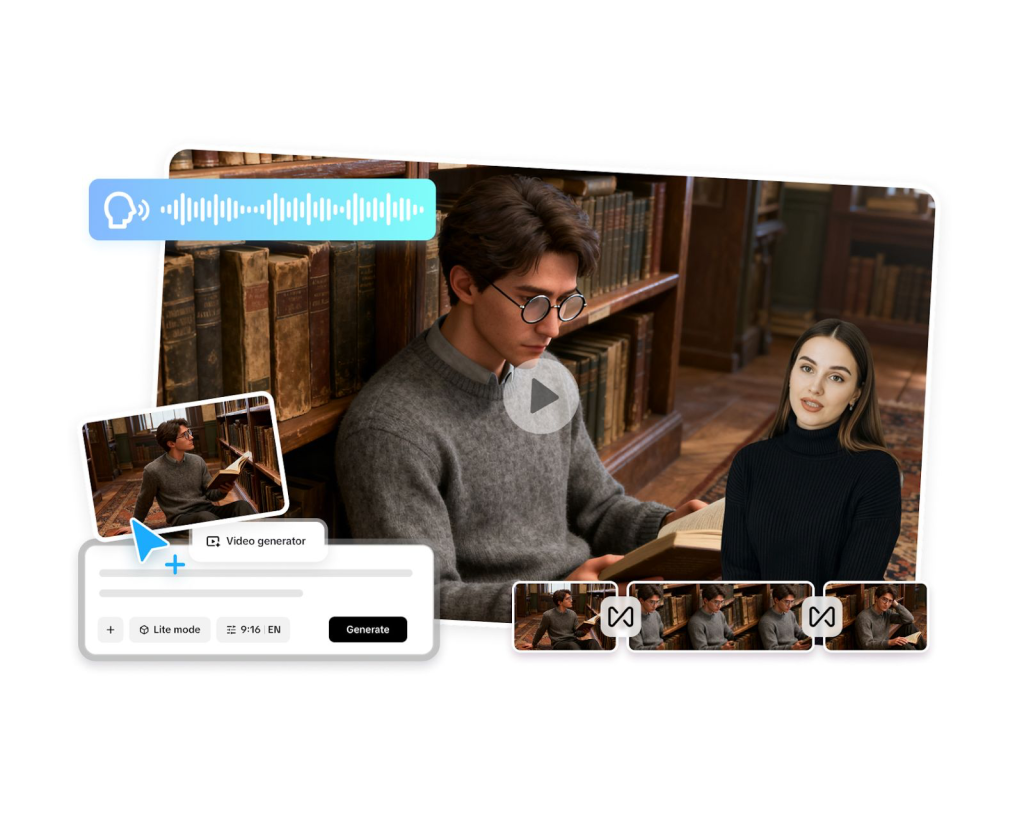
Once the script is done, the next step in the process is to select an appropriate AI video generator tool. There are various tools available that offer various features, such as the generation of scenes, voiceover options, and templates, among others.
There are tools available for promotional content, as well as tools for content creation for videos such as those used for social media or for instructional content. The appropriate tool for the job is determined by the type of content being created.
For example, there are AI-enhanced tools such as Pippit, which assist in the conversion of scripts into organized video content with little or no need for editing.
Step 3: Generate Scenes Automatically
Once the script is submitted, the artificial intelligence system analyzes the script and begins creating scenes. The scenes may contain backdrop images, animations, transitions, and text.
There are many artificial intelligence video creation tools that provide the facility of previewing the scenes that are created automatically before the completion of the video.
This is the stage at which the creator gets an opportunity to review the scenes created by the artificial intelligence system and check if the scenes are matching the message correctly.
Step 4: Customize the Visual Elements
Although artificial intelligence is responsible for managing the video creation process, individuals possess the power to change the final product. The individual has the power to change aspects such as the look, colors, graphics, or text within the video.
By changing aspects, one is able to align the video with their brand or style. Making small changes can significantly contribute to improving the quality of the final product.
Step 5: Add Voice Narration and Music
There are many AI video creation tools that offer the feature of creating voice that can convert the text script into audio narration automatically, which may help in making the video more appealing as well as ease the audience’s task of understanding the video.
The content creator may add music in the background that creates the right mood and keeps the audience interested in the presentation throughout.
Step 6: Export and Share the Video
The last step in the process is finishing the customization and reviewing the video. Then, export the video in the desired format.The majority of the AI-based video creation tools allow the facility of exporting videos in different resolutions, which is suitable for presentations.
Once the export of the video is complete, it may be shared across various social media platforms, such as YouTube, Instagram, LinkedIn, or business websites, making it easier for the creators of the content as well as businesses to spread the word about their content.
Why AI Video Generators Are Becoming Popular
The trend towards AI video creation tools is becoming more favorable as these tools simplify the video creation process. Instead of spending many hours editing videos, the producer can create the videos in a much shorter time.
These tools are especially beneficial for marketers, educators, bloggers, and businesses that need content creation as part of their day-to-day activities. By reducing the technical barriers of creating videos, AI video creation tools help the producer focus on the ideas and concepts.
With the emphasis that online platforms are putting on the need for video content, tools used in video production are becoming more mainstream.
Conclusion
It is not necessary to be good at editing videos or to use expensive tools to produce videos anymore. An individual can easily turn his or her ideas into engaging videos in just a matter of minutes with the help of an AI video creator.
AI technologies are helping to speed up the process of video creation by taking care of the technical aspects of video production, and this has the potential to be even more important in the coming days as the need for videos continues to rise, especially in the field of content creation.