How To Handle Difficult Dogs During Grooming
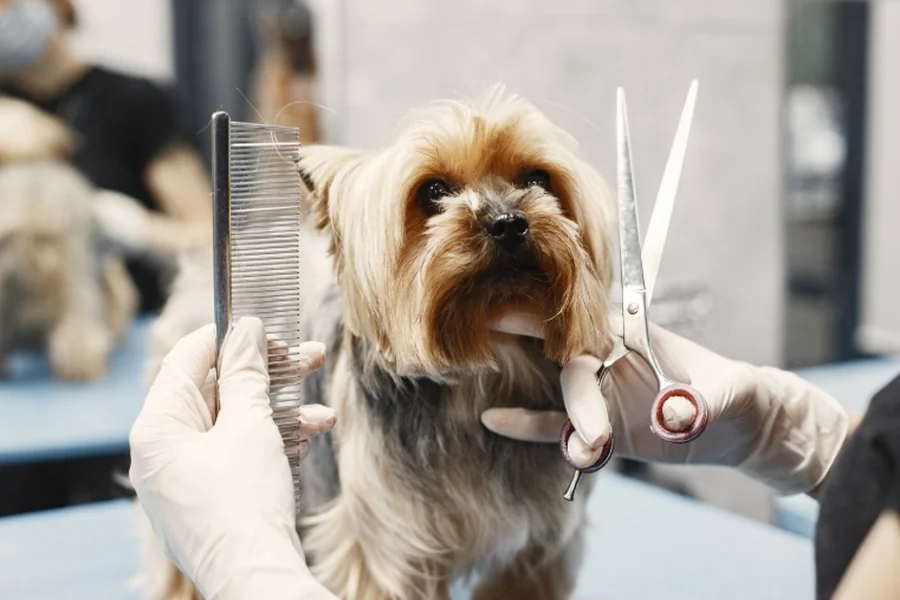
Grooming a dog is either a calm, bonding experience or a full-blown wrestling match with your furry friend. Some dogs love being pampered, while others treat a hairbrush like it’s some kind of torture device.
If your dog falls into the latter category, you can still turn things around without stressing either of you more. Many owners and professionals deal with pets who get anxious, defensive, or flat-out uncooperative during grooming sessions.
With the right approach, patience, and maybe a few treats, even the most stubborn dogs can learn to relax. Here’s how to handle them.
Start with the Right Mindset
The first thing to remember is that grooming is a process that is learnt. Dogs do not necessarily know that brushing, trimming and nail clipping is good. When your dog behaves in a negative manner, it is not revenge, but rather the dog is scared, confused, or uncomfortable.
The only thing you can do in such a case is to be calm and confident. Dogs sense the mood of humans easily as such your energy, when you are tense or impatient, will be reflected on their side. Take some deep breaths, take the process coolly and take it slowly.
Get Them Comfortable with the Tools
The sound of clippers, the feel of a brush, or even the sight of nail trimmers can scare some dogs. Desensitization works wonders here.
Let your dog sniff the brush or clipper before using it. Turn it on so they can hear the noise without associating it with fear. And reward them with treats when they stay calm around the tools. It’ll help them connect grooming with positive experiences and not panic as much next time.
Set Up a Calm Environment
The grooming setup matters more than you might think. A quiet, familiar space can make your dog feel safe. Avoid loud rooms, sudden noises, or busy areas with too many distractions.
If possible, groom your dog after exercise or a walk. A tired dog is usually a more cooperative one. And if you’re planning to get a professional grooming session, make sure you’re not traveling too far. For example, if you live in Texas, look for professional services for dog grooming in Westlake.
Take It One Step at a Time
If your dog dislikes being handled or brushed, don’t try to do everything in one session. Break things into smaller parts. Start with short, easy sessions of under five minutes at first, and slowly build up the time as your dog gets used to it.
Always reward calm behavior with treats, praise, or playtime. Some salons, such as WoofGangBakery, double as stores where you can even get toys and accessories for your pet.
Watch for Stress Signals
Understanding your dog’s body language helps you stop problems before they start. Signs of stress can include heavy panting, whining or growling, pinned ears, stiff posture, or tucked tail.
In case you observe any of these signs, rest. The compulsion of grooming a dog that is already overwhelmed may increase the resistance of the dog the next time. Allow them to rest, allow them time and attempt again later when they are not stressed.
Conclusion
During grooming, one should be patient, empathetic and thoughtful when handling hard-to-teach dogs. With the help of calmness, tools introduction, the establishment of the peaceful atmosphere, organization of the sessions into small steps that are easy to manage and attention to the stress indicators, grooming may become more of a pleasure than a struggle. These habits can be used to lessen anxiety as well as establish trust and make the session increasingly easier with time. Finally, a light and predictable routine will make grooming an act of care and bonding as opposed to war.