How to Organize a Stylish and Sustainable Wardrobe Refresh
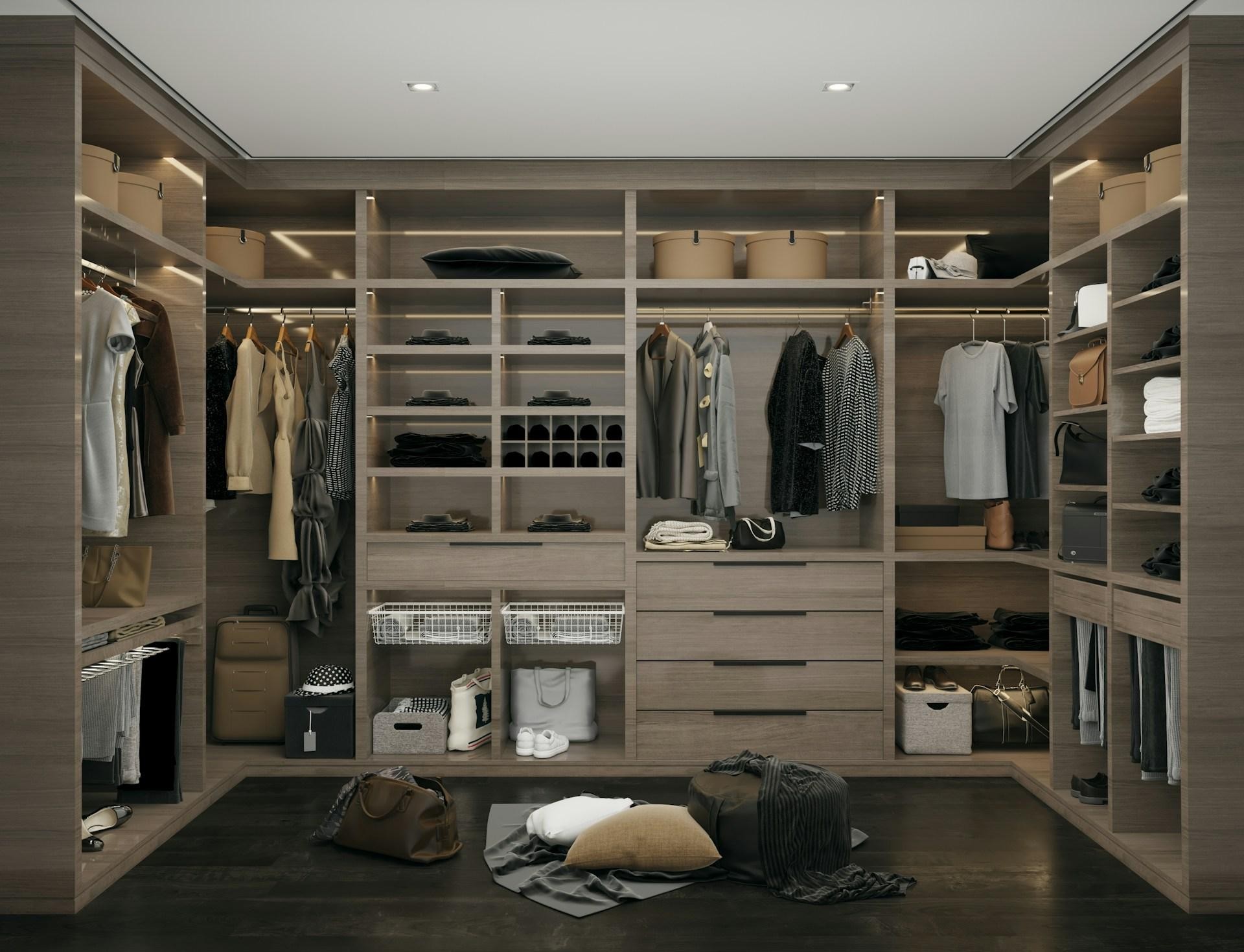
Photo by Ali Moradi on Unsplash
A wardrobe refresh does not need drama, three identical beige sweaters, or a “Who bought this?” moment at 11 p.m. It needs a plan.
The case for one looks strong: in the United States, landfills received 11.3 million tons of textiles in 2018, according to the EPA. That number alone makes “buy less, choose better” sound less like a slogan and more like common sense.
Start With A Closet Audit, Not A Shopping Cart
Before you buy a new item, look at what you own.
Pull everything out and sort it into four groups:
- wear often,
- wear sometimes,
- needs repair, and
- why-do-I-own-this.
That last category usually tells the funniest story.
This first step saves money and cuts waste. It also shows what your wardrobe actually lacks. In the first phase, focus on function, not impulse. If you need help with a larger clothing reset during a move or home reorganization, local movers can make the logistics easier while you focus on what stays.
Keep only pieces that fit, work with your lifestyle, and match at least two or three other items you already own.
Define Your Personal Style In Plain English
Do not build a wardrobe around the fantasy version of yourself. Build one for your real week. That means your actual job, weather, errands, dinners, travel, and tolerance for dry-clean-only chaos.
Write down five words that describe how you want to look. Try words like polished, relaxed, sharp, minimal, or bold. Then look for patterns in the clothes you already love. Color palette helps too. When most pieces work together, you get more outfits from fewer items.
Build A Small Core That Does Most Of The Work
The most stylish closets often look boring on paper. That is good news.
The essential elements of a good wardrobe are often a pair of jeans or trousers that can be counted on, a jacket, a cozy top, simple tops, one or two more trendy items, and shoes that can be worn without leaving them a good-bye note.
Choose shapes you repeat with ease. Maybe that means straight-leg pants, cropped jackets, or shirts with clean structure.
The goal is not endless variety. The goal is repeat success. When clothes mix well, you avoid random purchases that only work with one specific mood and one very specific Tuesday.
Buy Less, But Buy With More Intent
A sustainable wardrobe refresh does not ban shopping. It asks better questions.
Will you wear the item at least 30 times? Does it pair with what you own? Can you care for it without stress? If the answer sounds shaky, leave it.
Check labels prior to leaving. Majority of textile products should include the contents of fibers, country of origin, and name of manufacturer or marketer. Instructions on care are important also, since a demanding-care garment easily becomes a garment that is not worn.
Fibers and care needs tell you a lot about longevity, comfort, and real cost. “Cheap” loses charm fast when it pills after two washes and retires before the season ends.
Learn Which Materials Deserve Your Money
No fabric qualifies as perfect.
Some simply create fewer problems than others. Recycled fibers, durable natural fibers, and certified organic textiles often make better choices than flimsy, short-life fabrics that lose shape fast.
That does not mean you need a chemistry degree in a fitting room. It means you should check for quality and credible standards. GOTS exists to set recognized requirements for organic textiles across processing, manufacturing, and labeling.
That makes it more useful than vague marketing language like “eco-inspired,” which says almost nothing and somehow still sounds smug.
Embrace Secondhand, Swap, And Repair
The most painless method of updating a wardrobe without generating as much waste is to make a default setting of no new. Resale, swaps, vintage, and repair all add more life to clothing and help to minimize the production of new products.
It is also a path that opens up to the quality at a reduced price. By 2029, the second hand clothes market would have reached to 367 billion dollars globally. That is not the case since people just start loving dusty racks and puzzling sizes. This is due to the fact that resale is now realistic, cheap and natural.
Repair matters too. The research of WRAP substantiates such logic by having quantifiable environmental savings. That is, button sewing is one of the strategies towards style now.
Care For Clothes Like You Want Them To Stay
A sustainable wardrobe fails fast if you treat every wash like a revenge cycle.
- Read care labels.
- Wash less often when possible.
- Use lower-impact cycles when the garment allows it.
- Air-dry what you can.
- Store knits folded, not stretched across hangers like tiny wool hammocks.
Clothes last longer when people follow instructions based on actual testing and fabric needs. Good care protects shape, color, and texture. It also delays replacement.
Knitwear Care 101: How to Wash, Store & De-Pill Your Sweaters
Set Rules That Stop Future Closet Chaos
The wardrobe refresh will help only in case your habits can change by the time the cleanout is over. Put a few rules in place. Try a one-in, one-out method. 30 days before bigger purchases, have a wish list. Review gaps by season. Track what you wear most. Such minor ecosystems help to avoid unintentional overbuying, which hardly seems accidental when you are bombarded with five boxes at the same time.
It is also possible to develop a short self-checklist: fit, fabric, function, frequency. In case an item does not pass two of them, skip it. This practice underwrites style since it strengthens taste. It promotes sustainability since clothes are put back into rotation.