How to Plan a Remodel That Fits Your Home, Your Goals, and Your Wallet
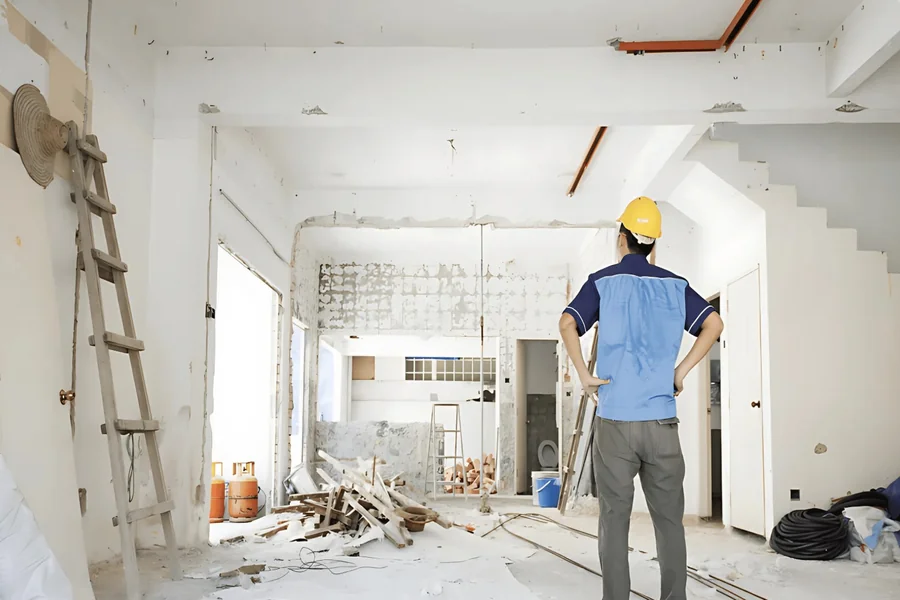
So, you’ve decided it’s time for a home remodel. Whether it’s updating that outdated kitchen, finally tackling the cluttered garage, or turning your bathroom into a spa-like sanctuary, a remodel can breathe new life into your space. But before you grab that sledgehammer or call the contractor, you need to take a step back and plan things out.
The truth is, a successful remodel isn’t just about picking out pretty tiles or deciding where to put the couch. It’s about creating a solid plan that balances your home’s needs, your personal goals, and—let’s be honest—your budget. Yep, that last one is crucial. You don’t want to end up spending more than you can afford or overextending yourself on a project that just adds stress to your life. In this guide, we’re going to walk through how to plan a remodel that checks all the boxes: home improvement, personal satisfaction, and financial sensibility.
Let’s dive in!
Assess Your Home’s Current Needs
Before you jump into Pinterest boards or hire a designer, take a step back and think about what your home really needs. I mean, sure, you might have a dream of an open-concept kitchen with marble countertops, but is that what your space truly requires? Maybe your focus should be on increasing storage or improving functionality. It’s easy to get caught up in the excitement of a remodel, but a good starting point is identifying the real problems in your space.
Is the kitchen outdated? Are you tired of tripping over shoes by the front door? Maybe you’re thinking about adding an extra room to accommodate a growing family or turning your attic into an office. Whatever it is, get clear on what your priorities are and be realistic about what needs attention. If your house is falling apart in one area, it might be wise to tackle those issues first before worrying about cosmetic upgrades.
Set Clear, Realistic Goals for the Remodel
Okay, now that you’ve figured out what your home actually needs, it’s time to define your goals. What do you want to achieve with this remodel? Is it more space? A more modern vibe? Or are you prepping your home to sell in a few years? Setting clear goals will help you stay focused and avoid getting sidetracked by things that are nice-to-have but not essential.
Think about what matters most to you. Are you aiming to create a better flow in your home? Are you looking to increase the home’s value or just make it more comfortable? Being specific will help guide your design and keep you on track throughout the process. For example, if you know you need extra storage, focus on built-in shelves or cabinets rather than splurging on fancy finishes you don’t need.
Determine a Home Remodel Budget
Alright, here’s where the rubber meets the road. Now that you know what your home needs and what you want to achieve, it’s time to determine a home remodel budget. This is probably the most important part of the entire process. A well-defined budget keeps everything in check—without it, you could find yourself in the middle of a project with no funds to finish the job. And trust me, no one wants that.
Start by looking at your finances. How much can you comfortably spend without stretching your wallet too thin? Factor in the cost of materials, labor, permits, and any unexpected expenses. Yes, there will be surprises. Things might take longer than expected, or you might need to replace plumbing or wiring you didn’t anticipate. It’s a good idea to set aside about 10-20% of your total budget for these surprises.
And here’s an insider tip: don’t just go with the cheapest options. Sure, it’s tempting to cut corners, but skimping on quality can lead to bigger problems down the road. For example, investing in durable countertops or high-quality flooring can save you money in maintenance and repairs later on.
Research and Gather Design Ideas
Once your budget is set and your goals are clear, it’s time to dive into the fun part—design! Now, this doesn’t mean you need to hire a designer (although, if you can, it’s worth considering). You can absolutely gather inspiration and create a vision board yourself. Start browsing home design magazines, Pinterest, or Instagram. Save the images that make your heart skip a beat and bring them together in one place. You’ll be able to see common themes in your choices—do you lean toward modern, minimalist designs, or are you more of a cozy, rustic person?
As you start to gather ideas, keep your budget in mind. Some materials or finishes might seem like a dream, but they could easily blow your budget out of the water. It’s important to do some research on prices so you can find alternatives that still give you the look you want without breaking the bank.
Hire the Right Professionals
Unless you’re a professional contractor yourself, there will come a time when you’ll need to hire help. Whether it’s an architect, designer, or contractor, the right professional can make a huge difference in the success of your remodel.
Do your homework here. Research, read reviews, and ask for recommendations from friends or family. You want someone who has experience with the kind of remodel you’re planning, whether it’s a full house renovation or just a kitchen update. Take your time with this step—you want a pro who communicates well, sticks to timelines, and is as committed to the project as you are.
Also, be clear about your expectations. Share your goals, budget, and timeline upfront so everyone is on the same page. Communication is key throughout the process to make sure everything goes smoothly.
Set a Realistic Timeline
A remodel is an exciting project, but it’s also a time investment. It’s easy to get caught up in the excitement of starting, but you also need to be realistic about how long it will take. Renovations take time, and unexpected delays are common. Whether it’s waiting on materials, running into issues with permits, or simply bad weather, things can get delayed.
When setting a timeline, factor in these potential hiccups. Speak with your contractor about a realistic completion date, and try not to get too attached to the idea of a quick turnaround. After all, good things take time.
Prepare for Unexpected Issues
Let’s be real for a second: remodeling rarely goes off without a hitch. It’s normal to run into issues along the way, and it’s better to prepare for them than to be blindsided. Maybe there’s a leak behind the walls, or the flooring you wanted is out of stock. Whatever the issue, make sure you have room in your budget and timeline to handle these setbacks.
This is where your contingency fund comes in handy. Keep a little extra cash set aside for those “uh-oh” moments, and try to stay flexible when the unexpected happens. If you’ve got the right professionals on your team, they’ll help you navigate any bumps along the way.
Maximize the Value of Your Remodel
While it’s tempting to splurge on every fancy upgrade, focus on areas that will bring the most value to your home. Kitchens, bathrooms, and curb appeal often give the best return on investment. If you’re thinking about selling down the road, these are the areas where you’ll see the most bang for your buck.
Even if you’re not planning to sell, making smart choices can save you money in the long run. Consider energy-efficient appliances or sustainable materials that not only look good but also reduce your utility bills. It’s a win-win!
Final Inspection and Post-Renovation Care
After the dust settles, it’s time to do a final walkthrough. This is your chance to make sure everything is up to snuff. Walk through each room, check the details, and make sure everything looks the way you envisioned it. If anything feels off, speak up and have it fixed before you sign off on the project.
And don’t forget about maintenance! Keep your newly remodeled space in tip-top shape by following proper care guidelines for materials and finishes. Regular upkeep will help your remodel last longer and continue to look amazing for years to come.
Conclusion
Planning a remodel that fits your home, your goals, and your wallet isn’t about rushing into things. It’s about taking the time to set clear goals, stay within your budget, and hire the right professionals to bring your vision to life. With the right approach, your remodel can be an exciting and rewarding process that transforms your home into a space that truly works for you.
So, roll up your sleeves, make a plan, and get ready to enjoy the home you’ve always dreamed of!