How to Tell if Jewelry Is Really Solid Gold
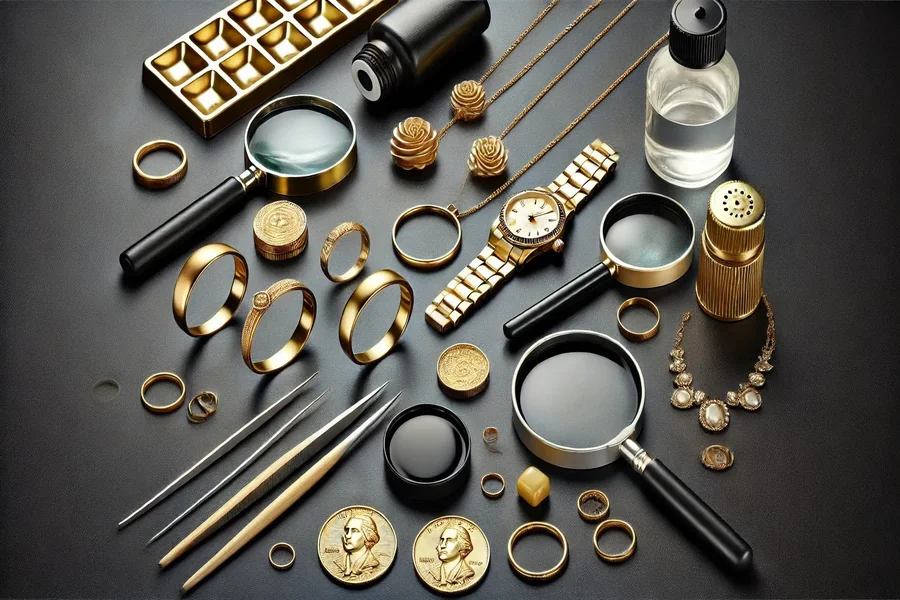
Every jeweler has the same tale to tell: Some customer comes in with a so-called gold bracelet which she has inherited, or bought many years ago at a market stall, and wants it to be remodeled, or to have its size changed, only to find out that it is made of brass, with a gold finish that is already wearing away at the edges. More often it is not about being fooled out of his/her pocket. The work was more frequently described vaguely, the receipt is long since lost, and no one on the way told what to seek.
When you know what signs to look at, it isn’t guesswork to tell real solid gold, plated, filled or fake jewelry. A few checks that you can perform yourself, in a few minutes. Others need the instrument of a jeweler. These are the steps to go through them both.
Start With the Hallmark
Legal jewelry that is sold in the United States must contain hallmark on solid gold jewelry, which is a small stamp of purity. Look for markings like:
| Hallmark | Meaning | Gold Purity |
|---|---|---|
| 24K or 999 | 24 karat gold | 99.9% |
| 18K or 750 | 18 karat gold | 75% |
| 14K or 585 | 14 karat gold | 58.3% |
| 10K or 417 | 10 karat gold | 41.7% |
| GF | Gold-filled | Varies (5% gold by weight, minimum) |
| GP or GEP | Gold-plated | Thin gold layer over base metal |
Look where a hallmark is nearly always stamped – check the clasp, the inside of a ring band or a nearby jump ring… Your phone zoom feature and a magnifying glass can help, as the stamp usually is very small.
One of the hallmarks is a powerful signal, yet not a guiding principle. There is a reason that counterfeit stamps may exist, especially on the ones purchased at the resale or unverified sellers, so it is not the ultimate word.
The Weight and Feel Test
Most of the base metals that are used in costume jewelry are significantly lighter than solid gold. An object that is uncommonly light, or one that has weight but is not as thick as it should be, is warranting closer attention. That is not an accurate test in itself (construction and hollow weight make a difference on weight as well) though when used with other tests, an oddly light piece of gold is a good flag, which is gold.
The Magnet Test
Gold is non-magnetic. When a piece is highly attracted to a magnet, it is not solid gold, most base metals used in fake or highly plated jewelry such as iron or steel alloys can be influenced by a magnet. That being said, this test can detect only the most blatant fakes. Certain non-magnetic base metals, such as brass, some plated metals, will give this test and yet may not be true gold, so a negative result is not in itself a guarantee of authenticity.
The Skin and Discoloration Test
Gold that is solid tends not to tarnish or react with skin. When a piece always leaves a green or black mark on your skin after putting it on, that is generally an indication of a base metal meeting skin oils and moisture, most commonly observed in the gold-plated jewelry after the top coating has become thin. This test is most effective in testing jewelry that you have already worn over an extended period; thus, this is a better way to assess jewelry that you have than a jewelry that you are just purchasing.
The Float Test (Use With Caution)
Gold has sufficient density to sink in water, whereas most base metals and hollow items or those heavily plated are floating or slowly sinking. A rough indication can be gained by this test, but it is not sufficiently accurate to rely upon in respect to valuable pieces, and it will not tell the difference between 14K solid gold and a well-manufactured gold-filled article, both of which will sink. This should be considered as a simple check, rather than a verification technique.
Expert Tip: The above at-home tests (magnet, float, and skin) are not reliable enough to test gold purity on their own, and may, in fact, harm delicate pieces or gemsettings. When you are analyzing something valuable, an heirloom, or something that you are about to buy at a reflective price, an XRF (X-ray fluorescence) test by a jeweler is the best answer. It is not destructive, only requires a couple of minutes, and it provides an accurate karat reading and not an estimate.
Acid Testing: What Jewelers Actually Use
Nitric acid testing kits are commonly used by professional jewelers to test the purity of gold. A little incision is drawn in an inconspicuous location and an acid of particular strength is used. The karat purities are known to react differently, showing the approximate gold content depending on the reaction of the metal. This system is more accurate than any home sight test, but is also a bit destructive (leaves a small spot) and it needs a certain degree of skill to read it properly, thus why most people have it done by a jeweler, instead of trying to do it themselves.
Understanding the Difference Between Solid, Filled, and Plated
This difference confuses more shoppers than the other aspect of purchasing gold jewelry, in part because all three classifications have the term gold on the label.
- Gold alloy does not contain a core of a base metal, but solid gold.
- Gold-filled contains a layer of gold, 14K or more, glued on mechanically to a base metal core. It is much more permanent than plating and may last years with fair treatment, but is not solid gold and it has the value of plating.
- Gold-plated consists of a minor coat of gold, usually a few microns, that is electroplated on a base metal. It is the most fragile of the three and it is usually worn out in one or two years of frequent use.
Specialty brands of solid 14K gold, including Baby Gold, tend to include the purity on each listing, as opposed to using more or less generic terms like gold tone or gold finish, which are popular methods of plated jewelry being sold without either telling an outright lie about their nature.
Read More: Gold Two Piece Set Style Guide for Every Occasion
Common Mistakes People Make
- Assuming a stamp is always accurate. Counterfeit hallmarks exist, particularly in secondhand or unverified marketplaces. A stamp is a strong clue, not final proof.
- Relying on a single test. Each at-home method has blind spots. A combination of checks, plus professional verification for anything valuable, is far more reliable than any one test alone.
- Confusing “gold vermeil” with solid gold. Vermeil is sterling silver with a thick gold plating, a step up from standard plating but still not solid gold underneath.
- Skipping verification on inherited or secondhand pieces. Older jewelry, especially from decades-old estate sales or unlabeled family pieces, is one of the most common places people discover they own less gold than they thought.
- Not asking for documentation when buying from unfamiliar sellers. Reputable sellers of solid gold jewelry provide purity information upfront and stand behind it.
Why This Matters Beyond Just Price
Purity impacts beyond resale value. Solid 14K gold will resist daily scratches, dents and tarnishes much better than the plated versions, and it is important when the item is to be used daily and not as an infrequent piece. It also influences the sensitivity of the skin, as the fewer-pure or plated pieces can have a higher percentage of alloy metals, such as some containing nickel, which can elicit an allergy in individuals who are allergic to metals. Being informed of what you really do own, or what you will soon purchase, influences how you treat it and how long a real life it will have.
Frequently Asked Questions
Will I know whether it is solid gold by looking at it?
Not reliably. Properly crafted filled and plated jewelry will appear exactly like solid gold, particularly fresh. Hallmarks and weight in addition to professional testing are much more reliable than visual inspection.
Will solid gold jewelry tarnish?
Solid gold does not tarnish at all, but can form a slight patina in many years. Notable tarnishing or discoloration is normally an indication of lower purity alloy or a plated surface and not solid gold.
Do gold hallmark stamps necessarily work?
Yes, in general, particularly by established retailers. But there are also some fake stamps on second-hand and unchecked items in the market place and hence it can not be the sole criterion you can count on to get a good buy.
How to test gold at home most accurately?
All standard in home tests (magnet, float, and skin reaction) are not completely reliable individually. No matter how valuable something is, an XRF test or a professional acid test will be the best choice a jeweler can have.
Are these gold-filled jewels worth purchasing, when they are not solid gold?
It may be a sensible compromise; unlike plated jewelry, gold-filled object is sturdier and less expensive than solid gold. Only understand beforehand that it is not solid gold and its value over a long time is indicative of that variance.
What makes my skin turn green when I wear some of my gold jewelry?
This typically occurs when the underlying metal of a thin gold plating is subjected to moisture and human oils, and particularly after the plating has become thin. Jewellery made of solid gold does not react.
What can I do to check gold jewelry prior to purchasing it online?
Find a well-marked karat purity (it is not gold or gold-like), look at the hallmark information in the photos or description of the product and purchase it with the sellers who explain the solidness, filling or plating of the piece.
The Bottom Line
It depends on adding evidence to see whether an item of jewelry is actually solid gold or not. Begin with the hallmark, consider weight and the wear and tear on the piece, and weigh anything worthwhile or questionable on a professional test. The few minutes it costs is a trifle to being able to positively know what you have, and it is the same test any good jeweler applies to their own jewelry.