How to Use Castor Oil for Tooth Infections and Oral Bacteria Control
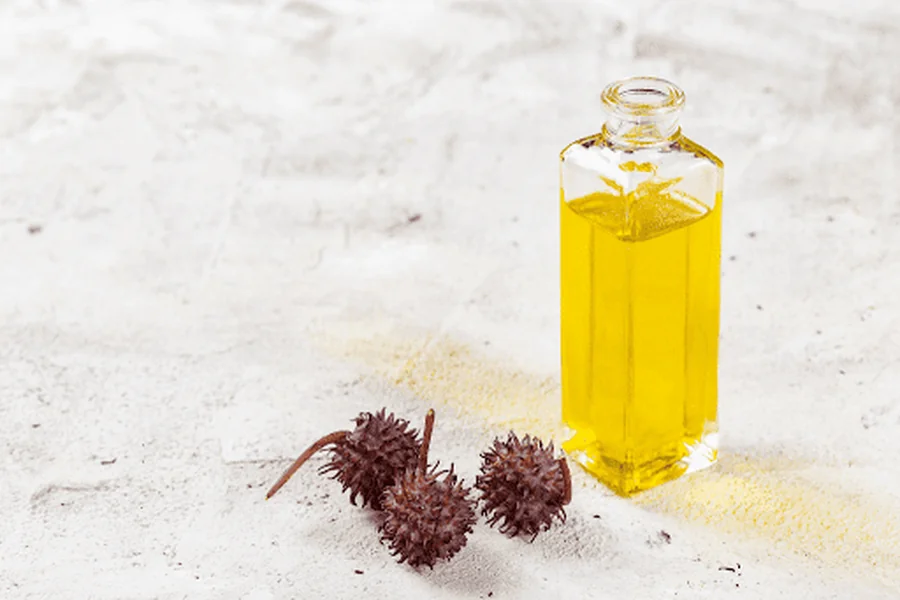
Castor oil usually lives on the bathroom shelf for hair masks and lash growth. Maybe a grandma remedy for an upset stomach. That’s the box most of us put it in—right?
Here’s the surprise: it’s also been used for mouth and gum care for ages. Old healing traditions leaned on it for calming sore spots and keeping germs in check. And people are circling back to it now, not as a miracle cure, but as a handy helper when teeth or gums act up.
Why it can actually help
Castor oil is packed with ricinoleic acid, a natural compound known for its strong antimicrobial and anti-inflammatory properties. This makes castor oil for oral care especially valuable, as it can help reduce harmful bacteria in the mouth, calm gum irritation, and even ease tooth pain linked to infections. Unlike many harsh chemical rinses, it works gently, making it a safe option for consistent, long-term oral health support when used properly.
Bonus: it’s gentle. No harsh burn like some chemical rinses. Used properly, it’s something you can keep in a steady routine.
What it tends to do well
- Reins in bacteria that drive plaque, cavities, and gum infections.
- Soothes irritation so tender spots don’t throb all day.
- Supports healing by leaving a light protective film on minor sores.
- Helps with dryness, which often makes everything feel worse.
Quick note: This is supportive care. Not a dentist-in-a-bottle.
How I’d use it (if my gum was acting up)
1) Spot treatment on the gums
- Wash your hands. Obvious, but easy to skip.
- Dip a clean cotton swab/ball in cold-pressed, hexane-free castor oil.
- Dab it on the sore/swollen gum.
- Leave for ~15–20 minutes; rinse with warm water.
- Helps with puffiness and that dull, nagging ache.
2) A simple swish
- Stir 1 tsp castor oil into ½ cup warm water.
- Swish 1–2 minutes—aim the rinse toward the cranky area.
- Spit; follow with a quick plain-water rinse.
- Nice for moisture + a bit of antimicrobial cleanup.
3) Team-up with clove oil
- Clove oil numbs; castor oil comforts.
- Mix 2–3 drops of clove oil into 1 tsp castor oil.
- Apply with a cotton swab right where it hurts.
- Expect a gentle numbing plus antibacterial support.
4) Warm external massage (for deep toothache feel)
- Warm a teaspoon of castor oil (not hot).
- Massage on the outside of the jaw over the sore tooth for a minute or two.
- Warmth = better circulation; sometimes the throb backs off.
- Important, please don’t skip
- Stick to cold-pressed, hexane-free oil.
- Don’t swallow big amounts—castor oil is a strong laxative.
These are temporary helpers. If you’ve got severe pain, fever, foul taste, or swelling spreading into the face/neck, that’s dentist time—soon.
(If you like deep dives, see: “Your Oral Health: Essential Hygiene Tips.”)
Castor oil isn’t just a beauty oil. Used thoughtfully, it can slot into an oral-care routine to calm irritation, discourage harmful bacteria, and buy you comfort while you arrange proper dental care. Not flashy, just useful.
Final Thoughts
Castor oil is more than just a beauty oil—it can be a valuable addition to your natural oral care routine. Its antibacterial and anti-inflammatory properties make it an effective home remedy for soothing tooth infections and controlling harmful bacteria. Used wisely, it may help bridge the gap between discomfort and professional treatment while supporting overall gum and tooth health.