The Exterior Features Homebuyers Value Most
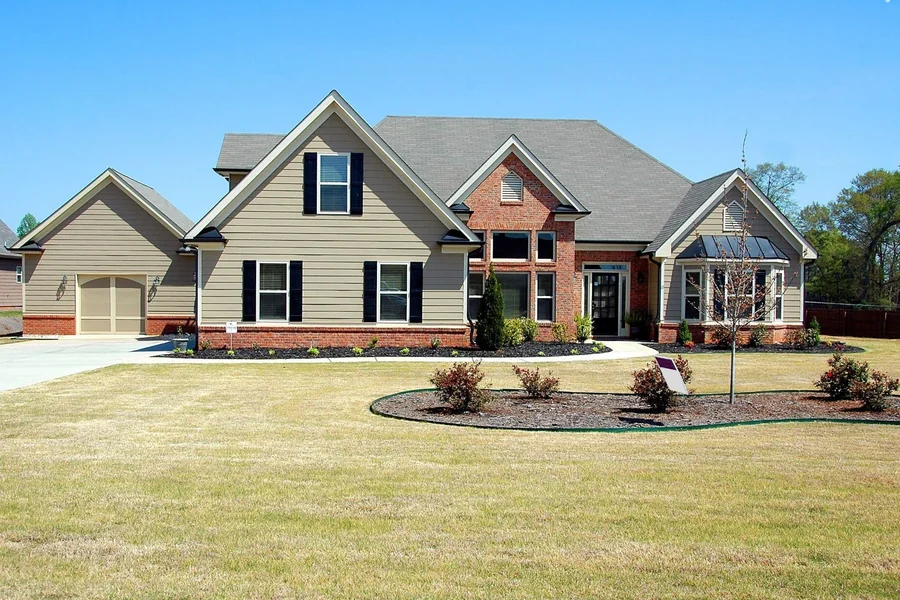
A house starts talking long before anyone reaches the front door.
It’s in the first listing photo. It’s the feeling someone gets pulling into the driveway. And it quietly tells them how well the rest of the place has been handled. Clean siding, healthy landscaping, an entrance that actually welcomes people. That builds confidence fast. Peeling paint, sagging gutters, a yard nobody’s touched in months? Now they’ve got questions, and they haven’t seen a single room yet.
That first reaction matters even more now that buyers meet a house on their phone before they meet it in person. Zillow reports 94 percent of buyers use online resources during their search, and the lead listing image is almost always an exterior shot. So curb appeal isn’t just about the person standing on your sidewalk anymore. It has to survive a four-inch screen.
So what actually moves buyers?
Not the biggest patio. Not elaborate landscaping. Buyers gravitate toward exteriors that feel attractive, functional, protected, and manageable. All four.
A First Impression That Says Somebody Cared
Buyers aren’t expecting a house to look brand new. They’re looking for proof someone’s been paying attention.
Fresh paint. Clean siding. Railings that don’t wobble. Repaired trim. Walkways that aren’t an obstacle course. None of it is dramatic alone. Stack it together, and it tells a story.
The National Association of Realtors found 97 percent of its members believe curb appeal matters when attracting a buyer. And 92 percent have told sellers to fix it up before listing.
That doesn’t mean redesigning your whole exterior. Honestly, maintenance beats decoration almost every time. Buyers notice when a gate latches right. When the porch light works. When the path to the door feels safe after dark.
A beautiful exterior gets attention. A maintained one earns trust. Two different things.
Lighting That Actually Does Something
Exterior lighting stays consistently valuable because it pulls double duty. Looks and safety at the same time.
Good lighting lets buyers picture real life happening. Getting home after dark. Walking up from the car without squinting. Sitting outside on a warm night. Light around entrances, steps, garages, and paths makes a place feel secure without turning it into a parking lot.
And simple usually wins here. Warm fixtures, clear paths, balanced placement. That beats a wall of floodlights every single time.
A Roof That Signals Protection
Nobody gets excited about a roof the way they get excited about a backyard. But a roof can quietly sink an entire deal.
It ties straight into maintenance, energy performance, weather resistance, and future costs. When it looks worn or near the end, buyers start running repair math in their head halfway through the walkthrough. That math rarely favors you.
Material shapes perception too. Shingles are still everywhere, but durable metal systems, standing seam included, pull in buyers who want a clean architectural profile and less upkeep down the road. Sellers weighing that usually talk to a metal roofing contractor before listing, since installation quality and how the profile suits the house matter as much as the material itself.
The goal was never picking the most expensive option. It’s a roofline that fits the house, looks professionally done, and tells buyers everything underneath has been protected.
This one won’t spark an emotional reaction. What it sparks is relief. Buyers want to know they’re not inheriting a five-figure problem on move-in day.
A Front Entrance That Pulls People In
The front entrance is small. Its influence is not. It’s where buyers stand around while the agent wrestles with the lockbox, which gives them time. Time to study the door, the hardware, the porch light, the house numbers, the steps, the trim. A tired entrance makes the whole property feel tired. A sharp one sets a completely different tone before anyone walks in.
Small fixes carry this. Freshly painted door. Updated hardware. Clean doormat. House numbers you can actually read. Sharpens everything without looking staged.
Color helps, but only if it works with the rest of the exterior. Zillow’s 2026 research found front door color can shift how buyers estimate a home’s value, though the effect depends heavily on how that color plays against the facade.
The point isn’t painting your door whatever shade is trending. It’s making the door feel intentional. Connected to the house, not bolted onto it.
Outdoor Space People Would Actually Use
Buyers treat outdoor areas as living space now. Not decoration. A porch makes an entrance friendlier. A patio gives you room for meals, conversation, coffee at seven in the morning. A deck bridges the house to a sloped yard or stretches the main living area outward.
NAHB research shows strong buyer interest across patios, front porches, rear porches, and decks. Builders report growing demand too, as buyers hunt for flexible spaces that fit into how they actually live.
And the best outdoor spaces aren’t the biggest. Buyers respond to what feels easy to use. Shade. A little privacy. Quick access from the kitchen. Enough room for a table and some chairs. That beats sheer square footage.
Functional outdoor features can move sale prices. Homes advertising outdoor kitchens, outdoor showers, patios, fireplaces, and private docks have sold above expectations in some analyses. Not a guaranteed premium for every house. But it shows buyers put real money behind outdoor space with a purpose.
Landscaping That Doesn’t Look Like a Second Job
Landscaping makes a house feel established, private, welcoming. It can also make buyers nervous about losing every Saturday to yard work. Balance wins. Healthy lawn, trimmed shrubs, defined beds, a few mature trees. Character without the dread.
Buyers appreciate landscaping that frames a house instead of swallowing it. Branches shouldn’t block windows or rooflines. Shrubs shouldn’t crowd the walkway. Planting should pull the eye toward the home.
The unglamorous stuff matters too. Drainage. Grading. Irrigation. Retaining walls. None of it makes a listing headline, but all of it surfaces during inspection and negotiation.
A tidy yard suggests care. A complicated yard suggests a chore list.
A Garage Door That Isn’t an Eyesore
On plenty of newer suburban homes, the garage door takes up most of the front elevation. Faded, dented, or visually disconnected from everything else, and the entire exterior loses its polish.
Replacing it pays off, too. Zillow, citing the 2025 Cost vs. Value Report, noted garage door replacement had the highest estimated return among remodeling projects in that year’s analysis.
But full replacement isn’t always necessary. Clean it. Repaint it. Fix the damaged panels. Make sure it opens without sounding like a freight train. Sometimes that’s enough.
Buyers see the garage as storage and secure entry both. A door that works properly holds that whole idea together.
None of This Works Alone
No single feature carries an exterior by itself.
A new door won’t distract from failing paint. Great landscaping won’t erase a roof that’s obviously struggling. An expensive patio doesn’t help if the path leading there looks abandoned.
The homes that land feel consistent. Materials relate to each other. Maintenance shows. Outdoor areas have a point. Nothing feels wildly out of place.
That consistency is what buyers are actually reacting to. They’re not grading features off a checklist. They’re deciding whether this house feels dependable, comfortable, and easy to imagine as theirs.
The exterior starts that decision before anyone says a word. Before you list, walk out to the street and look at your house like a stranger would. Then look at it through a camera lens. What feels reassuring? What creates doubt? Which small fix would make it feel finished instead of almost-finished?
Those questions get you further than chasing whatever’s trending this year. Buyers value beauty. They value evidence more. Evidence it’s been maintained. Evidence the outdoor space works for real life. And evidence that once they move in, they’ll spend more weekends enjoying the place than fixing it.