The Minimalist’s Dream: How a Multi-Functional Sofa Can Transform Your Living Space
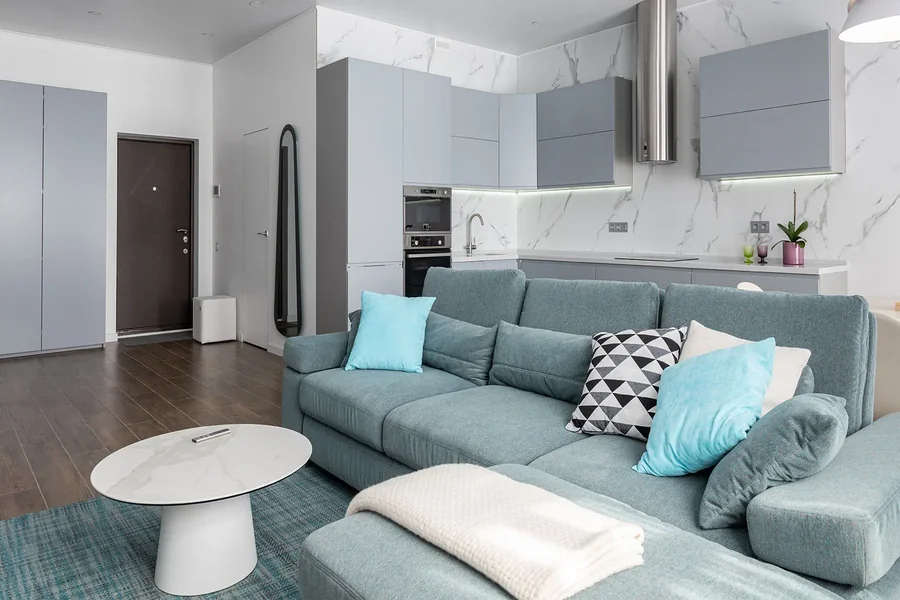
Ever walked into a friend’s tiny apartment and wondered how they managed to fit so much function into such a small area? The secret usually isn’t buying more furniture. It’s about choosing pieces that work twice as hard.
The Problem with Traditional Furniture
Here’s the thing about most sofas: they do one job and take up a lot of room doing it. You sit on them, maybe put your feet up, and that’s pretty much it. But when you’re working with limited square footage, every piece of furniture needs to earn its keep.
Picture this: you’ve got a small living room, and you need somewhere for guests to sleep when they visit. Your options used to be pretty grim. Buy a separate guest bed that crowds the room? Get one of those ancient sofa beds that require an engineering degree to unfold? Or just resign yourself to your friends sleeping on the floor?
Actually, there’s a much better way to think about this whole situation.
When Furniture Gets Smart
The best small-room solutions don’t add more stuff. They make the existing stuff work harder. A well-designed multi-functional sofa basically gives you two pieces of furniture for the price and footprint of one.
Look, nobody wants their living room to feel like a furniture showroom floor. But nobody wants to sacrifice comfort either. The trick is finding pieces that transition smoothly between their different functions without making you feel like you’re constantly rearranging puzzle pieces.
What Makes a Sofa Multi-Functional
Not all convertible furniture is created equal. Some fold out into beds that feel like sleeping on a yoga mat. Others require you to remove seventeen cushions and perform what feels like furniture origami just to create a sleeping surface.
The smart ones? They make the transition simple. Eva New Zealand’s Slideaway Sofa Bed pretty much nails this concept. During the day, it’s a comfortable sofa where you can relax, watch movies, or have friends over. When someone needs to crash for the night, it converts into a proper bed without requiring a manual or superhuman strength.
Beyond Just Sleeping Arrangements
But here’s where it gets interesting. Multi-functional furniture doesn’t just solve the guest bed problem. It changes how you think about your entire room.
When your sofa can transform into a bed, suddenly you have options. Your living room becomes a guest room when needed. Your home office can double as accommodation. You’re not locked into one specific use for each area.
The psychological effect is pretty significant too. Instead of feeling cramped by limitations, you start noticing possibilities. That small apartment doesn’t feel quite so restrictive when you realize how flexible your furniture can be.
Making Small Rooms Feel Bigger
There’s something almost magical about having fewer, more functional pieces in a room. The visual clutter disappears. You’re not trying to squeeze multiple pieces of furniture into a tiny area, so everything has room to breathe.
Your guests won’t feel like they’re imposing either. Nobody wants to put someone out or take over their living room for days. When the guest sleeping arrangement is built right into the regular furniture, hosting becomes effortless.
The Minimalist Advantage
Minimalism isn’t really about having nothing. It’s about having exactly what you need, and making sure what you have works perfectly for your life.
To be honest, this approach takes some getting used to. We’re pretty conditioned to think that more furniture equals more comfort. But once you experience how much better a room flows with smart, multi-functional pieces, going back to traditional furniture feels unnecessarily complicated.
The thing is, when you choose furniture that works this hard, you end up with more money, more room, and honestly, more peace of mind. Sometimes the best solution really is the simplest one.