The Role Of Comfort Food In Times Of Grief
Is there a friend or co-worker who someone they love died recently? If that’s the case for you, you’re likely looking for ways to support and perhaps share your thoughts with them. Though, you might doubt that it could be possible for you to find the right sympathy gift. It can be difficult to know what to send someone who’s in a place of deep hurt and sadness. There are also the flowers — a nice gesture, may people in mourning quickly discover that they often receive more flowers from friends and family than any person can handle.
Before you spend too much time overthinking things, think about the kind of gift that would help if you were grieving for someone you loved. Today, a lot of people are too preoccupied planning funerals and rummaging through financial records to pause to consider their own bequests. Preparing a meal is often the farthest thing from their minds. You can step in to help by providing comfort and sustenance, delivering good food you know will comfort soothe and support. Here’s how comforting meals can provide support in times of grief.
What Is Comfort Food?
Find you a food that’s comforting, is fulfilling, robust, and there is some kind of sentimentality or memory attached. It’s the kind of food that makes you think you’re shrouded in a warm blanket — emotionally. It´s good because if the person who receives it is nostalgic. Embedding memories of happier times to offer a comforting place and moment of relief for someone grieving, even if momentarily to ease overwhelming sadness.
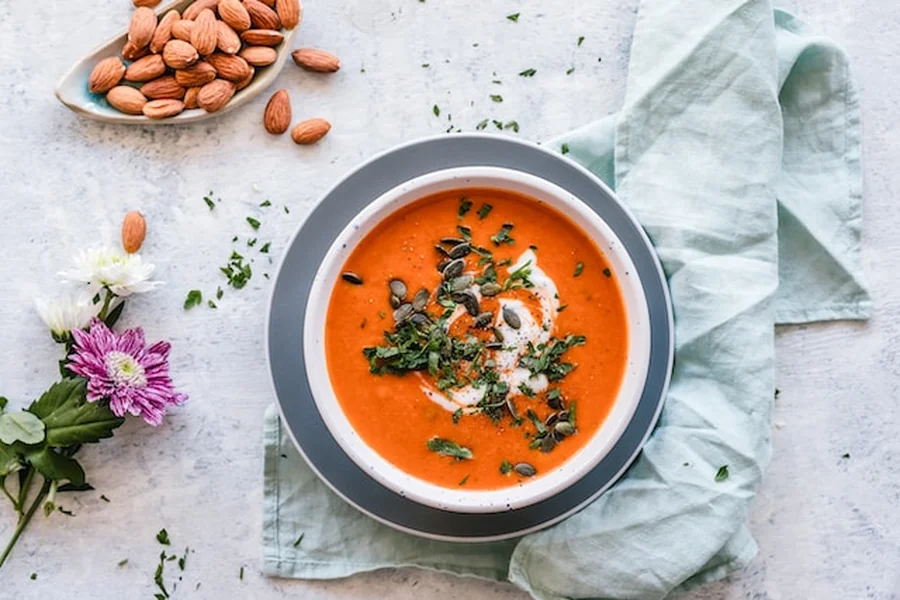
Comfort food makes a wonderful sympathy gift for someone who’s struggling. You can find sympathy gift baskets filled with soothing, tasty options. Some good examples of comfort food include chili, soup, bread, cookies, and pasta. Look for ready-made options so the recipient doesn’t have to put a lot of time into food preparation. It shouldn’t take long for them to get the food from the package to their belly.
The Physical and Emotional Benefits of Comfort Food
Have you ever though why humans like to eat food on all the big events, celebrations and social gatherings? What is it about food that universally pleases, rejuvenates, uplifts? The big meal, it would seem, does a lot more than simply taste delicious and make you forget your hunger. But it has a range of other physical and emotional advantages. And here are the best things comfort food in particular can do for someone who’s grieving.
Increased Energy
Sadness and the accompanying emotional and physical strain can cause persistent fatigue. When a person is grieving, his or her body releases cortisol, the so-called stress hormone that gets your body ready to respond to real or perceived danger. Chronicly high cortisol can seriously deplete energy and also cause fatigue or even burnout. Feelings of fatigue can also be compounded by the emotional pain of grief.
Comfort foods tend to be packed with carbohydrates, one of the body’s preferred power sources. Comfort food during hard times, in the right circumstances can motivate the body and send it further. Further, the serotonin releasing property of comfort food can diminish cortisol and other stress hormones and boost feelings of well-being. If you sense that a friend is getting feeble and weak after the loss of a loved one, send them some comfort food to perk them up.
Nutritional Support
A prolonged elevation of cortisol and other stress hormones doesn’t just lead to intense tiredness. It can also compromise immune function, causing the impacted person to get sick more severely and frequently. According to the Cleveland Clinic, excess stress during times of grief can also lead to stomach or digestive problems, chest pains, high blood pressure, and headaches.
To help someone you love fight these common issues, ensuring they get proper nutrition when dealing with loss is a key consideration. When you’re sad and anxious, it’s pretty normal to lose your taste for “healthy” foods. But the majority of individuals are naturally hungrier for comfort food when life is tough. You might want to consider providing a source of nourishment in an easy way: Healthy and nourishing comfort foods, like homemade soups or pot pies, can potentially help your friend maintain their immune function.
Improved Sleep
Having difficulty falling or staying asleep when you’re in mourning over someone)you love is a common experience. It is not uncommon for individuals to begin experiencing chronic sleep disorders as a result of both deep or prolonged sadness. Good news is that a few comfort foods can help promote better sleep as they can calm the bodym and the mind.
If you have a loved one who can’t sleep enough in emotional distressing times, feed her comfort food. Turkey-based foods should especially help those lacking sufficient sleep. Tryptophan is an essential amino acid found in Turkey that helps regulate sleep.
Increased Feelings of Well-Being
For some people, they feel devastated and all alone when grief comes. They may believe it’s not fair that the world carries on as usual when they can barely operate. Getting through those feelings is the only way to get past those feelings. But you can lift a grieving friend’s spirits by delivering for them their favorite comfort food.
Comfort-food dishes are comforting for a reason after all — because there’s something soothing in mining nostalgia at a moment when we’re scaring or sad. And it triggers the brain’s reward system, which might increase mood-improving serotonin and dopamine. So you see, if you really want to lift the sour spirits of a friend in need, it’s not sufficient to drop off their favorite meal. Stay awhile and share a meal with them to lift spirits and reduce tension.
Conclusion
Nothing soothes a broken heart like comfort food. If you are searching for a way to show someone that you care, here is something special they will remember fondly: their favorite meal. There is not some dish whose particular power is to make sorrow disappear. But it turns out, comfort foods can actually provide a whole host of both physical and psychological benefits when you’re grieving.