What Outcomes Are Researchers Studying With BPC-157?
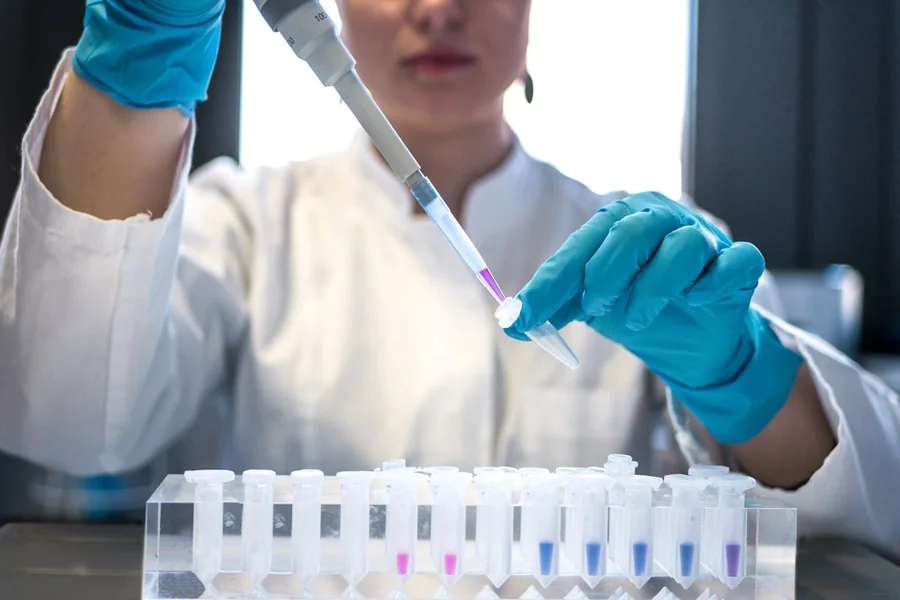
When you dig into the research on BPC-157, you’ll find studies spanning everything from torn tendons to brain injuries to intestinal damage. It’s an unusually broad range for a single peptide, which either suggests remarkable therapeutic potential or reflects researchers casting a wide net to see what sticks.
The reality must be in the middle. BPC-157 has done enough work on a wide range of injury models that scientists are still researching to see how it can be used in new ways, but the results they are getting are telling you, not just as much about the limitations of the current studies, as they are about the potential the peptide has.
It is better to know what researchers are really monitoring in such studies and what they are not to get a better idea of where there is concrete evidence and where it is conjecture. It also assists you to fine-tune your expectations in case you are thinking to use this peptide yourself.
Musculoskeletal Healing and Tissue Repair
This is where BPC-157 research started and where the most consistent findings exist. Researchers have documented accelerated healing in various tendon injury models, particularly Achilles tendon tears and other structural damage in rats[1].
The outcomes they measure include: tensile strength of repaired tissue, collagen fiber organization, inflammatory marker reduction, and time to functional recovery. In controlled studies, animals treated with bpc 157 10mg doses (adjusted for body weight) consistently show faster healing compared to control groups.
What makes this research compelling is the measurable, objective endpoints. You can test the mechanical strength of healed tissue. You can examine collagen structure under a microscope, meaning these assessments are quantifiable improvements in tissue quality.
Muscle Injury and Recovery
Beyond connective tissue, researchers have studied BPC-157’s effects on muscle tears, crush injuries, and surgical trauma. The outcomes tracked include muscle fiber regeneration, reduction in necrotic tissue, inflammatory cytokine levels, and functional movement restoration[2].
Some studies have examined whether BPC-157 affects muscle hypertrophy or strength gains in the absence of injury. Results here are less impressive. The peptide appears more effective at facilitating repair of damaged tissue than at enhancing normal muscle development, which aligns with its proposed mechanism involving wound healing rather than anabolic pathways.
Bone Healing Applications
Several research teams have investigated BPC-157 in fracture models and bone defect healing. Outcomes measured include callus formation speed, bone mineral density at repair sites, and biomechanical strength of healed fractures[3].
The current data shows mixed results. Some studies report accelerated healing, while others show minimal effect compared to controls. This inconsistency suggests that bone healing may be more complex or that BPC-157’s primary mechanisms don’t translate as effectively to skeletal tissue as they do to soft tissue repair.
Gastrointestinal Protection and Healing
BPC-157 derives from a gastric protein, so researchers have extensively studied its effects on digestive tract damage. Outcomes examined include ulcer size reduction, mucosal healing rates, gastric acid regulation, and protection against various ulcer-inducing agents.
Studies have tested the peptide against damage from NSAIDs, alcohol, stress-induced ulcers, and inflammatory bowel disease models[4]. The measured outcomes consistently show protective effects: smaller ulcers, faster healing, reduced inflammation markers, and improved barrier function.
This research area includes some of the more robust preclinical data available for BPC-157. The effects are dose-dependent and reproducible across different injury models.
Inflammatory Bowel Disease Models
Researchers have studied BPC-157 in colitis models and intestinal inflammation scenarios. The outcomes tracked include inflammatory cytokine levels, intestinal permeability measurements, tissue damage scores, and functional digestive markers[5].
Results suggest anti-inflammatory effects and improved intestinal barrier integrity. However, the animal models used don’t perfectly replicate human inflammatory bowel conditions like Crohn’s disease or ulcerative colitis, which limits direct translation to clinical applications.
Leaky Gut and Barrier Function
More recent research has examined whether BPC-157 affects intestinal permeability, which is the “leaky gut” phenomenon that’s gained attention in wellness circles. Researchers measure tight junction protein expression, permeability to marker molecules, and bacterial translocation rates[6].
Early findings show potential for improving barrier function, but this research is less developed than the ulcer studies. The outcomes are harder to measure reliably, and the clinical relevance of specific permeability markers remains debated even in mainstream gastroenterology research.
Neurological and Vascular Outcomes
Some of the more surprising research involves traumatic brain injury models. Researchers have measured outcomes including lesion size, neurological function scores, inflammatory markers in brain tissue, and behavioral recovery assessments[7].
Studies show reduced brain damage and improved functional recovery in animals treated with BPC-157 after induced brain injuries. The proposed mechanism involves improved cerebral blood flow and reduced secondary injury from inflammation.
This research is intriguing but preliminary. Brain injury is complex, animal behavior tests don’t capture the full spectrum of human neurological function, and the translation from rodent to human neurology involves significant uncertainties.
Blood Vessel Formation and Repair
Researchers have documented BPC-157’s effects on angiogenesis, which is new blood vessel formation. Outcomes measured include vessel density in healing tissue, VEGF (vascular endothelial growth factor) expression, and blood flow measurements in damaged areas.
The peptide appears to promote vessel formation in injured tissue, which could explain some of its healing effects across different tissue types. Better blood supply means more oxygen and nutrients reaching damaged areas.
Some studies have examined cardiovascular applications directly, measuring outcomes like blood pressure regulation, arrhythmia reduction, and protection against certain types of cardiac damage. Results vary in quality and consistency.
Peripheral Nerve Damage
A smaller body of research has explored BPC-157 in nerve injury models. Researchers track outcomes like nerve conduction velocity, axon regeneration, functional recovery of affected limbs, and pain behavior in animals.
Findings suggest potential for nerve healing, but this research is less developed than the musculoskeletal work. Nerve regeneration is notoriously slow and complex, making it difficult to isolate the peptide’s specific contribution versus natural healing processes.
What’s Missing From Current Research
Although BPC-157 is one of the most widely studied peptides, existing research still has many gaps.
Long-Term Safety Outcomes
Nearly all existing studies focus on short-term healing outcomes measured over days to weeks. Very few track animals for months or years to assess long-term safety, cumulative effects, or potential complications from repeated use.
This gap matters significantly for anyone considering ongoing or repeated BPC-157 protocols. The outcomes that matter most for chronic use simply haven’t been studied systematically.
Human Performance Metrics
While researchers measure functional recovery in injured animals, they rarely study whether BPC-157 affects peak performance in healthy subjects. The outcomes tracked are almost exclusively related to pathology and healing rather than enhancement or optimization.
Using BPC-157: Optimal Dosing Endpoints
BPC-157 research uses widely varying doses without systematic dose-response studies to determine minimum effective levels or maximum safe limits. The outcomes measured rarely include formal toxicity assessments or adverse effect monitoring at higher doses.
The outcomes researchers are studying with BPC-157 paint a picture of a peptide with genuine effects on tissue healing, particularly in soft tissues and the gastrointestinal tract. The measurements are objective enough to establish that something real is happening in these animal models.
However, the outcomes being tracked also reveal what’s absent: human data, long-term safety profiles, and the kind of comprehensive evidence base you’d want for confident clinical use. The results are interesting enough to warrant further investigation, but we will have to work with animal data until solid human data comes in.