Why Every Marketplace Website Needs Different Terms and Conditions Than an Ordinary E-Commerce Store
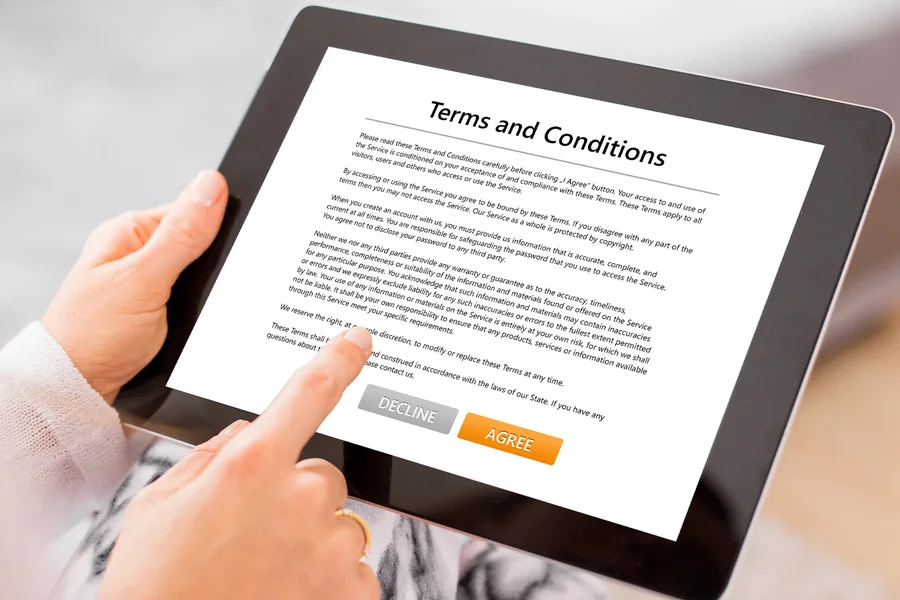
A lot of companies believe that they can replicate the Terms and Conditions of a typical online retailer and apply the conditions to their own websites.
That supposition usually succeeds till the business is turned into a market.
Marketplace businesses adopt legal relationships unlike those of a traditional online store that differ essentially whether you are launching a contractor platform, food delivery, vacation rentals, online tutoring, digital products, or peer-to-peer sales.
Who Is Actually Selling the Product?
A common e-commerce enterprise tends to sell its merchandise to end users.
A market place, however, can merely bring together buyers and sellers.
The difference begs some significant legal questions, including:
- Who is the seller of record?
- Who collects payment?
- Who is responsible for refunds?
- Who owns customer data?
- Who handles defective products?
- Who resolves disputes?
If these issues aren’t clearly addressed in the platform’s legal terms, disputes can quickly become complicated.
Your Platform May Be Providing Technology—Not the Goods
Many marketplaces never take possession of the products or services being sold.
Instead, they provide:
- listings;
- payment processing;
- messaging tools;
- search functionality;
- reviews;
- booking systems; or
- order management.
The Terms and Conditions should accurately reflect that role and avoid unintentionally suggesting that the platform guarantees every transaction.
User-Generated Content Creates Additional Risk
Unlike ordinary online stores, marketplaces often allow users to upload:
- product listings;
- photographs;
- reviews;
- videos;
- business profiles;
- pricing information; and
- marketing content.
The platform should clearly establish who owns that content, what rights users grant to the platform, and under what circumstances listings may be removed.
Suspension Clauses Matter More Than Most Businesses Realize
Marketplace operators frequently need to suspend or remove users for reasons such as:
- fraud;
- counterfeit products;
- policy violations;
- chargebacks;
- regulatory concerns; or
- abusive behaviour.
Without carefully drafted contractual rights, removing a problematic user can become significantly more difficult.
Read More: Lace Jumpsuit Style Guide for Elegant Fashion Looks
Payment Terms Need Careful Drafting
If the platform facilitates payments, the legal terms should address issues such as:
- payment timing;
- fees;
- chargebacks;
- refunds;
- taxes;
- payment processors;
- account holds; and
- circumstances where funds may be delayed or withheld.
These provisions often become some of the most heavily relied upon sections of a marketplace’s legal documentation.
One Size Rarely Fits All
The marketplace business models cannot be compared to SaaS, subscription business, online sales, and service providers.
The downloaded generic terms of the websites found in the internet or copied in some other company can leave some critical legal concerns unattended.
Businesses developing an online marketplace should consider having their Terms of Service drafted by a lawyer so the agreement reflects how the platform actually operates, allocates risk appropriately, and supports the long-term growth of the business.