How VAG Vehicle Servicing Requirements Differ From General Automotive Service in Ways That Affect Long-Term Reliability
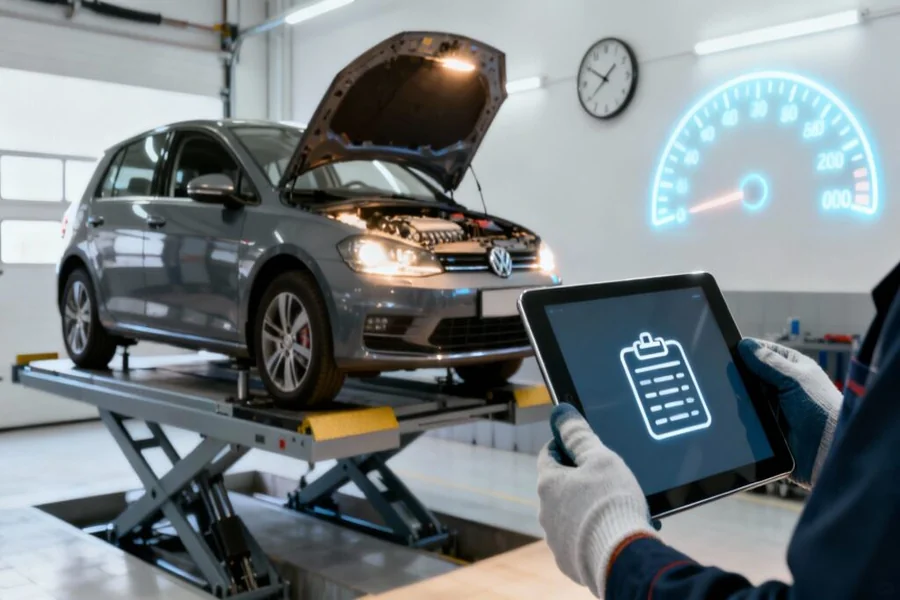
A VAG vehicle serviced by a workshop without specific experience in the platform isn’t necessarily going to fail immediately or dramatically. The basic service items, oil changes, filter replacements, and brake inspections get completed correctly regardless of platform familiarity. What suffers is everything beyond the basics, the platform-specific service requirements, the software updates, the adaptation procedures, and the model-specific known issues that a workshop familiar with the platform addresses as part of its standard process, and one that isn’t familiar with it addresses only when they become apparent problems. That difference accumulates across service intervals into a reliability gap that shows up in the vehicle’s condition and behavior over the years.
What Platform-Specific Knowledge Changes About Diagnostic Accuracy
VAG vehicles use a proprietary diagnostic architecture that the generic OBD-II scan tools available to general workshops read partially rather than completely. The fault codes accessible through a standard scan tool represent a fraction of the diagnostic information available to a workshop with VAG-specific diagnostic equipment, and the difference between those two views of the vehicle’s condition affects diagnostic accuracy in ways that produce misdiagnosis rather than no diagnosis.
A VAG-specific diagnostic system reads fault codes across every control module in the vehicle, including modules that the generic scan tool doesn’t access, and presents that data in a format that reflects the platform’s specific architecture rather than translating it through a generic interface that loses specificity in the translation. A workshop performing a VAG service with genuine platform capability sees a different and more complete picture of the vehicle’s condition than one using generic tools, and the service decisions made from that more complete picture are more accurate and more appropriate to the vehicle’s actual situation.
How Service Interval Logic Works Differently on VAG Platforms
VAG vehicles use a flexible service interval system that calculates the next service date based on actual driving conditions, oil quality monitoring, and component wear data rather than on a fixed kilometer or time interval. A workshop that services a VAG vehicle on a fixed interval rather than reading and responding to the vehicle’s own service indicator is either servicing it more frequently than necessary or allowing it to exceed the interval that the vehicle’s own monitoring system has determined is appropriate, and both deviations from the manufacturer’s intent have cost or reliability implications.
Resetting the service indicator correctly after a service requires VAG-specific tooling and knowledge of the correct reset procedure for the specific model and service type. A workshop that clears the service light without performing the correct reset procedure leaves the vehicle’s service interval monitoring in a state that doesn’t accurately reflect when the next service is actually due, which affects the owner’s ability to follow the vehicle’s own maintenance requirements going forward.
The Software and Adaptation Requirement That General Workshops Skip
VAG vehicles require software updates and adaptation procedures after certain component replacements that aren’t required on most other platforms, and that a general workshop may not know are necessary, may not have the tooling to perform, or may skip because their standard process doesn’t include them. A throttle body replacement that wasn’t followed by the required throttle body adaptation procedure, a battery replacement that wasn’t followed by battery registration, or a steering angle sensor replacement that wasn’t followed by calibration, all produce vehicle behavior that’s subtly wrong in ways the owner notices as a vague complaint that their car doesn’t feel right after the service.
Where Platform-Specific Experience Changes Preventive Maintenance
VAG platforms have well-documented model-specific failure patterns that accumulate across the owner community and the specialist workshop community over time, and a workshop with genuine VAG experience has absorbed that pattern knowledge through years of working on the same platforms and seeing the same issues present at the same mileage intervals. That knowledge changes what gets inspected and what gets recommended during a standard service in ways that prevent the failures the pattern predicts rather than reacting to them after they’ve occurred.
A general workshop servicing a VAG vehicle applies a generalist inspection framework that doesn’t reflect platform-specific failure patterns and produces a service that addresses what’s universally true about vehicle maintenance without addressing what’s specifically true about this vehicle’s platform, which is the difference between a service that maintains the vehicle and one that actively manages its reliability over time.