Fashion: How It Links People Back to Their Roots
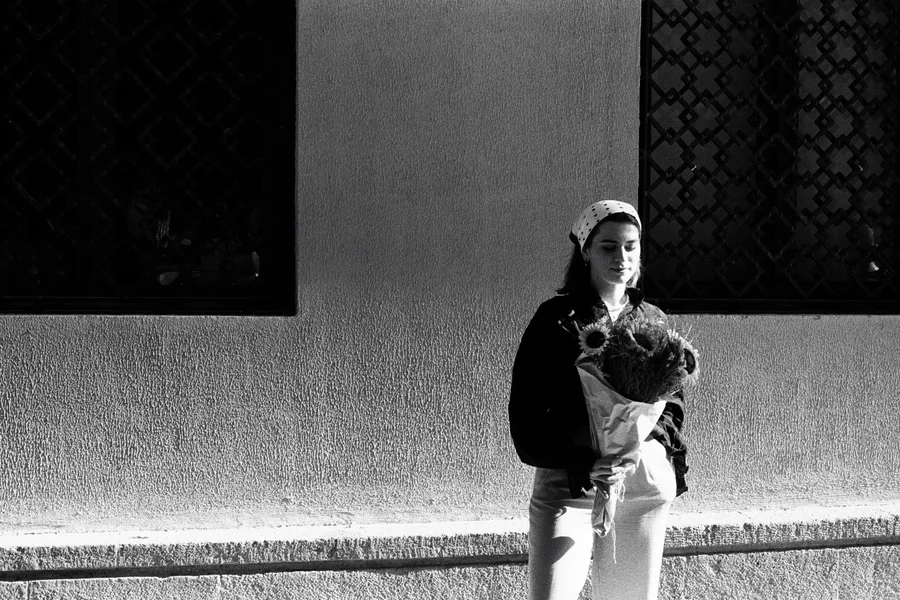
There has been a rise in new and improved stylish outfit choices within the last few years, that coordinate alongside the time, the season and people’s cultures. Often, we find that fashion gets dismissed as just a fleeting form of aesthetics. But at the center of it all, fashion stands out as the most powerful combination of nonverbal communication that we choose and witness on a daily basis.
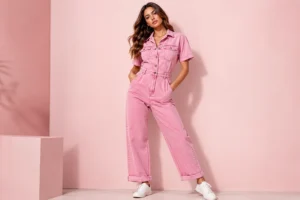
In every nook and cranny of the world, outfits serve as the background and maps of where we originate from. Trending outfits like that of rockstars collection produce beauty, flair, and a high taste in fashion, bringing out the best version of you. In the global world today, fashion depicts our culture, race and as a connection between different generations
How Fashion Links People Back To Their Roots
Many individuals see a collection of clothes as just casual outfits, but a combination of social history, culture and race.
The Language Of Textiles And Patterns
Outfits do not have a physical voice, so designers use specific prints and designs to display the history of such outfits. Some of these outfits differentiate classy people from others due to high taste in fashion.
Craftsmanship As a Family Legacy
Some people wear outfits as a remembrance of their background, race, color and tradition. This allows them to process and channel their thoughts and actions in a textual way. The feeling of a piece of cloth can trigger a sense of their typical traditional home. This reminds them of memories that linger on, especially childhood memories.
Rites Of Passage And Rituals
Standing as the centerpiece of our development, fashion plays a vital role in showing our real identity. Outfits used in ceremonies like weddings, birthdays, religious ceremonies and even festivities become the permanent blueprint of identities. Also, fashion helps to preserve our culture. Especially for people in diaspora, wearing traditional outfits during holidays reminds them of the home they may have left.
Streetwear and Subcultural Roots
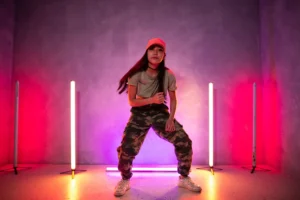
Oftentimes, roots are not tied to the past; they are tied to the neighborhood or tribe we find ourselves in. In the current version of the fashion world, outfits show neighborhood identity and street trends.
Why Do Different Areas Have Different Styling?
In recent times, lots of areas have different styling patterns due to various reasons, while not straying from the path of classy outfits.
Practicality And Climate
This is the vital drive that shows regional style in an environment. For weather conditions in countries like the US, these depict the kinds of classy styles that are needed by every individual. The Pacific Northwest, Washington or Oregon in particular, possesses styled fabrics that help to combat cold weather conditions, while also in the Northeast, New York or Massachusetts, precisely, a practical choice is an all-black uniform in a high-density environment.
Cultural History and Heritage
In the south, places like. Texas, Georgia, and South Carolina possess a southern style that often leans into traditional aesthetics. This includes flashy fabrics that produce bright colors like the gentleman styles and places a high emphasis on being dressed up for church, casual or social events. This paints a vivid picture of a culture that values tradition, etiquette, and social presentation.
Social Tribalism and Values
Often influenced by Latin American and Caribbean cultures, Florida fashion style, especially in Miami, is defined by high-octane color, resort wear, and a focus on showing skin due to the humidity and the see-and-be-seen nightlife culture. These outfits produce what every individual wants.
Why Fashion Has This Power of Communication and Connectivity
Fashion plays a major role in the lives of every individual. The psychology of enclothed cognition helps to breed this because fashion is communicated inwards as much as it is communicated outwards. In recent times, fashion has been used by humans to show social signaling and the tribal look. Whether it’s a luxurious cloth showing environmental consciousness or just a casual watch, outfits show our importance and priorities.
Fashion plays an important role in the minds of every individual. It is a profound visual language that joins our personal history with our social future. By joining together cultural heritage, regional practicality, and individual identity, it acts as a connective force that combines generations and geographies. Ultimately, what we wear is a powerful tool and testament to where we belong.