Why Secondhand Shopping is the Most Ethical Choice for Fashion Lovers
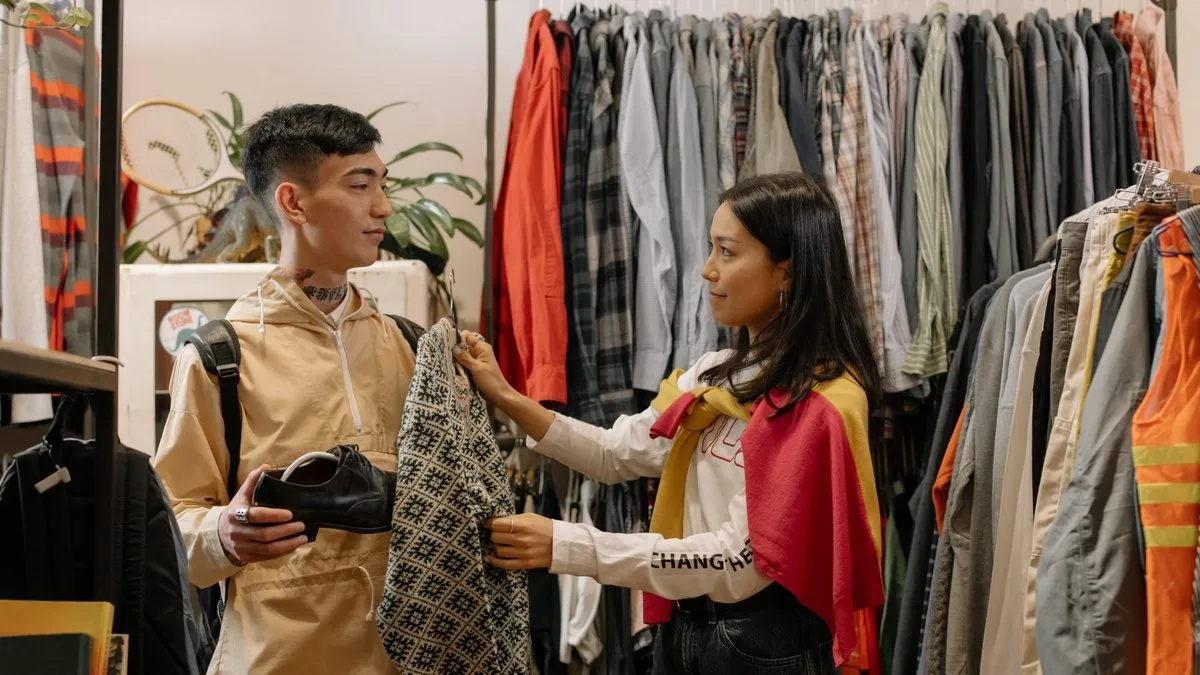
Over the last few decades, the fashion world has been criticized for its environmental impact, questionable labor practices, and contribution to waste. As consumer awareness about the facts has grown, second-hand shopping today is often a more environmentally and morally conscious decision. Aside from avoiding wastefulness, second-hand shopping supports good causes, such as Goodwill charity, which invests profits in funding job seeker training and community programs.
If you are a fashion-conscious person who also would prefer to make more ethical choices, here are reasons why shopping second-hand is the brightest method of remaining fashionable without being detrimental to society and nature.
Reduces Fashion’s Environmental Impact
The fashion sector is the world’s second-largest contributor to environmental pollution, accounting for 10% of global carbon emissions and significant amounts of water consumption. Fast fashion, in particular, fosters a throwaway fashion mentality, resulting in the annual production of approximately 92 million tonnes of clothing waste.
By choosing secondhand fashion:
- You extend the life of clothing, decelerating new production demand.
- Lower carbon footprints as no additional resources are used in creating new attire.
- Minimize garment waste by not sending them to landfills.
Secondhand shopping at Goodwill charity is not only sustainable but also part of a circular economy, whereby garments find their way into recycling rather than being discarded.
Encourages Ethical Labor Practice
Fast fashion relies on cheap labor, low wages, and subpar working conditions in many developing countries. Buying secondhand helps reduce support for these exploitative systems and promotes a more equitable and sustainable alternative.
Secondhand shopping offers a powerful alternative. When you buy pre-loved clothing, you are choosing not to contribute to these unethical production cycles. You are making a conscious decision to opt out of the supply chains that prioritize profit over people.
Stores like Goodwill go a step further. Rather than fueling a system of exploitation, they reinvest their profits into their communities, offering job training, employment opportunities, and educational programs for individuals facing barriers to work, including those from underserved backgrounds. This creates a ripple effect of empowerment, skill development, and economic independence.
Saves Money Without Compromising on Style
Another common misconception about green fashion is that it is expensive. But in reality, secondhand shopping offers one of the most budget-friendly ways to stay stylish while being eco-conscious. Thrift stores like Goodwill prove that you don’t need to spend a fortune to look fashionable. But second-hand shopping allows you to:
- Score quality brands for a fraction of their original price.
- Uncover one-off, unique vintage items not made in bulk.
- Create a style-conscious wardrobe without breaking the budget.
Goodwill charity shops, for example, offer fluctuating stock, allowing you to refresh your wardrobe for a fraction of the cost. You can purchase designer labels or authentic items based on your preferences. There are endless possibilities in thrifting.
Promotes a Minimalist and Intentional Wardrobe
Fast fashion promotes excessive consumption, messy closets, and addictive shopping. Thrifting promotes responsible dressing.
When you thrift, you:
- Consider every purchase carefully, as personal decisions require careful consideration.
- Invest in timeless pieces rather than fads.
- Develop a sense of personal style that is distinct from mass fashion.
Shopping at Goodwill charity allows you to practice a culture of recycling and thoughtfulness, releasing you from the need to buy a new outfit every day.
Helps Fund Charitable Causes
The most attractive motive for secondhand shopping is its first-hand impact on society. Goodwill-type stores utilize proceeds from the sale of donated merchandise to fund:
- Job training for individuals who face barriers to employment, such as veterans, people with disabilities, or those transitioning from incarceration.
- Education programs that help participants gain essential certifications, digital literacy, and other skills needed in today’s job market.
- Community support services include career counseling, interview coaching, résumé writing assistance, and financial literacy workshops.
When you shop secondhand at mission-driven thrift stores, your sense of fashion isn’t just stylish—it’s a force for good.
Encourages a More Sustainable Fashion Future
The revival of second-hand shopping is revolutionizing the fashion industry. As more people turn to thrifting, companies are being compelled to adopt greener practices and increase transparency.
Second-hand shopping and you:
- Spend your money on something more meaningful than wasteful fast fashion.
- Part of the revolution for responsible consumption.
- Influencing others to consume more responsibly.
Sites like Goodwill charity enable us to be part of such a revolution more easily than ever before, offering low-cost and affordable shopping that is responsible.
Final Thoughts
To fashionistas, secondhand isn’t just hip – it’s healthy. It’s a chance to be smart with your dollars, find authentic trends, and be a responsible citizen to the world and society at large. By being a secondhand consumer at an establishment like Goodwill charity, you are doing good, making a positive influence, and being good to the world in the bargain.
Read Also: