Why Miami Is Becoming a Hotspot for Travelers Who Want to Work and Explore

Miami was once the place you flew into for a quick beach weekend or a bachelorette blowout, but now, more and more people are treating it as a temporary home base, arriving with their laptops or hospitality skills and staying long enough to actually get to know the city between shifts.
Some visitors bring fully remote jobs with them, while others look for full-time waitress positions in Miami dining establishments or hotel jobs that make a longer stay financially realistic. Either way, Miami’s mix of warm weather and walkable neighborhoods makes it surprisingly work-friendly if you plan it right.
The Tourism Engine
Miami isn’t relying on hype alone. In 2024, Greater Miami and Miami Beach welcomed just over 28 million visitors, the highest number ever recorded for the area, which is a level of demand that keeps restaurants, bars, hotels, and tour operators busy far beyond a single “high season.”
For anyone working while they explore, that means hospitality businesses need staff year-round, so you’re not relying on a single festival or holiday to find hours.
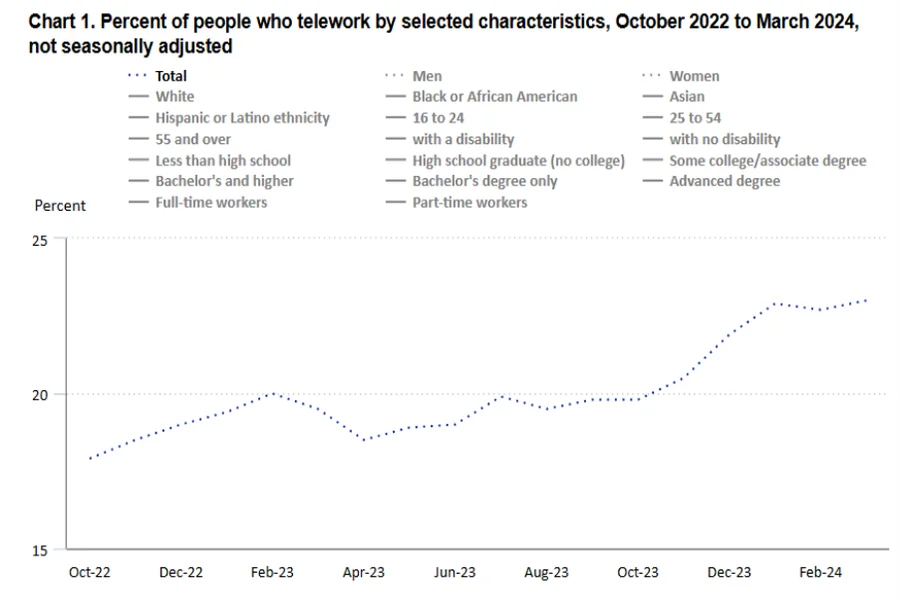
Remote work is no longer a rare perk, either. A 2025 analysis from the U.S. Bureau of Labor Statistics found that in the first quarter of 2024, about 22.9% of people at work in the U.S. teleworked or worked from home for pay, up from 19.6% a year earlier.
If you’re one of these people, that constant flow of visitors supports coworking spaces and neighborhood cafés where it’s normal to see laptops open alongside café con leche.
Before you commit to a neighborhood, though, test the Wi-Fi where you’re staying and make sure you have at least one backup work spot within a short walk. Miami’s humidity and storms can affect connectivity, so having a café or coworking space as a fallback is really important.
Cost of Living
According to the Consumer Price Index for the Miami–Fort Lauderdale–West Palm Beach area, overall prices in the region were 2.5% higher in August 2025 than a year earlier, with food costs up 4.8%.
Server and restaurant pay in Miami tends to sit above the national average, largely because of the city’s strong tourism demand and tipping culture, but higher housing and everyday expenses quickly eat into that advantage.
Estimate rent or a room share, groceries, transport, and a buffer for going out, and compare that against what you can reliably earn or your remote income. If the gap feels tight on paper, it will feel even tighter once you arrive.
Choosing the Right Neighborhood
Miami is really a collection of distinct pockets, each with its own energy.
Brickell feels like a sleek urban center, with corporate offices and plenty of weekday lunch spots where remote workers blend in, while South Beach is more tourist-heavy and can be noisier late into the night, which may be perfect if you prefer late shifts and slow mornings.
Wynwood leans artsy and creative, with murals and cafés that make daytime workspace hunting easier.
Think about your actual schedule. If your remote job locks you into early morning calls, staying somewhere quieter and more residential may be worth sacrificing a bit of nightlife. But if you’re working restaurant shifts, you might prioritize walking or biking distance to major dining strips so you’re not spending your tips on rideshares after midnight.
Whichever area you choose, do a quick test walk on your first full day, mapping out the nearest grocery store, pharmacy, laundromat, and at least one backup work spot. That small bit of scouting will save you a lot of mental energy once work starts.
Planning Ahead
Longer stays in one city ask for a bit of planning, including what you pack. Miami’s climate is warm, but air-conditioned interiors can be surprisingly chilly, especially if you’re sitting still at a laptop for hours.
If you’re looking for ideas on how to keep travel days smoother and less cluttered, Amour Vert’s guide on Simple Ways to Make Every Trip More Enjoyable and Stress Free is a good reminder that planning, not overpacking, usually makes the biggest difference.
Yet, the easiest trap in a work-and-travel experiment is to do nothing but work, then collapse in your room at night while the city carries on without you. So choose two or three Miami moments you want to experience each week and block those in your calendar first.
For more structured planning inspiration, especially if you’re traveling with someone else or juggling multiple schedules, Amour Vert’s Family First: Practical Steps for Smooth and Fun Travel Planning offers a helpful framework for organizing trips that still feel spontaneous once you’re there.
You can adapt the same mindset to a solo or couple’s work-and-travel stay by treating your must-see experiences as anchors and everything else as flexible.
Why Miami Makes Sense for Working Travelers
Miami’s draw for working travelers comes from the combination of a robust visitor economy that creates real job opportunities and a national shift toward remote work that makes temporary relocations more realistic.
If you arrive with realistic expectations about the cost of living and a plan for how you’ll use your free hours, Miami could be a place where you test a new rhythm of learning a city block by block, and you may leave with more than just a few photos of the skyline at sunset.