How To Create Stunning Lenticular Prints?
In a world saturated with static visuals, capturing attention requires more than bold colors or clever copy. Audiences are naturally drawn to motion and depth. When an image shifts, flips, or appears three-dimensional, it instantly commands focus. That is the power of lenticular printing.
Lenticular printing turns regular print into a dynamic visual experience. With the use of special plastic lenses and state-of-the-art printing technology, images appear to change with the angle of view. From animations created with flip effects and full-motion sequences to ultra-realistic 3D illusions, lenticular prints provide an interactive experience without the need for screens or any digital components. When done properly, they are nearly impossible to ignore.
Creating stunning lenticular prints requires more than simply placing two images together. It involves strategic effect selection, precise formatting, and choosing the right product format for your goal.
Here is how to do it effectively.
1. Choose the Right Lenticular Effect
The success of any lenticular project depends on the proper selection of a visual effect. The three main lenticular styles are flip, motion, and 3D.
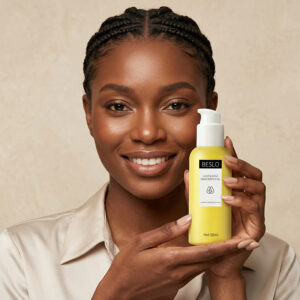
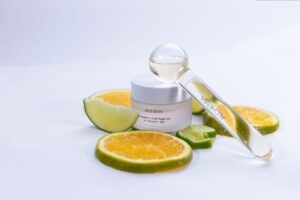
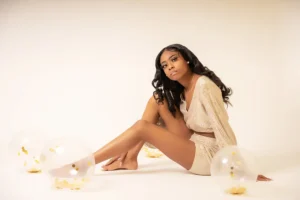
Flip lenticular printing toggles between two images. As the viewer tilts the print, one image morphs into another. This works particularly well for before-and-after visuals, comparisons of products, promotional messaging, or logo morphs.
Motion lenticular printing uses three to eight frames to create an animation, zoom, or morphing illusion. This style works great for demonstrating movement, showing multiple features, or guiding viewers through a short visual story.
3D lenticular printing is a technique that allows a flat surface to give an impression of depth. If properly designed, objects appear to be layered and multidimensional, giving artwork an eye-catching, immersive feel.
Each of these effects utilizes different lens types, such as 75 LPI or 100 LPI lenses, depending on the desired effect. The selection of the proper effect ensures that the final piece does not distract from your message but instead supports it.
2. Design With Movement in Mind
Designing for lenticular printing requires a different approach because it differs from traditional print design. Since images shift with perspective, layout and composition must be carefully planned.
Some of the most popular uses of lenticular printing include direct mail marketing with flip effects, where both images must be distinct and show strong contrast to achieve the desired result. For motion effects, there must be a smooth transition from one frame to another. In creating 3D illusions, layering becomes essential in achieving the realistic effect.
Specialized software and precise production methods align artwork with the lenticular lenses. Accuracy is essential. Even slight misalignment can negatively affect the final image. Accuracy, therefore, is critical to achieving a clean, professional result.
3. Select the Right Product Format
Stunning lenticular prints are not limited to one format. The product you choose should align with your marketing goal, audience, and distribution channel.
Lenticular Postcards
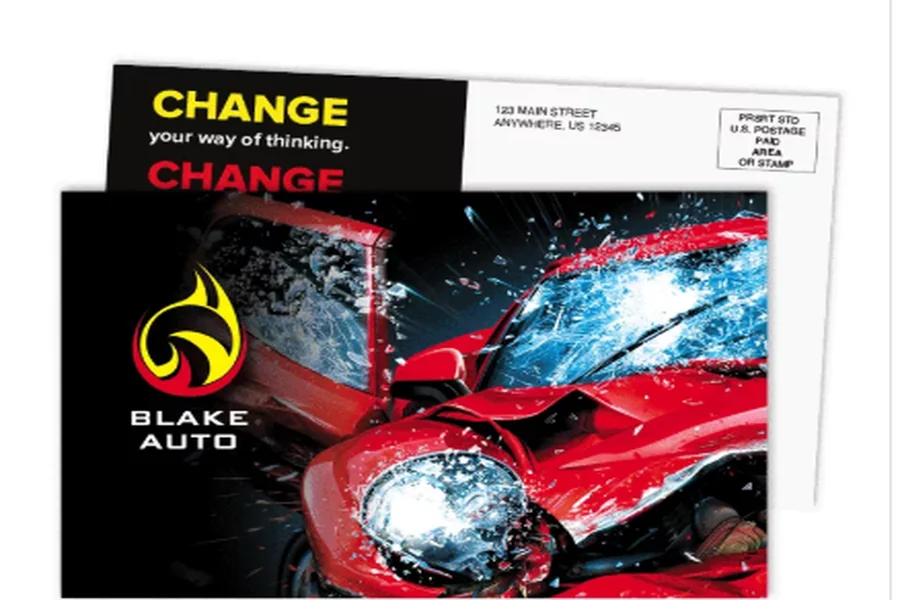
Direct mail marketing remains one of the most effective uses of lenticular printing. Lenticular postcards make a striking appearance right out of the mailbox. They can be ordered in a variety of sizes, from 4″ x 6″, 5″ x 7″, 6″ x 9″, to 6″ x 11″, with lenticular printing on the front and a soft-touch laminated paper backing for the messaging.
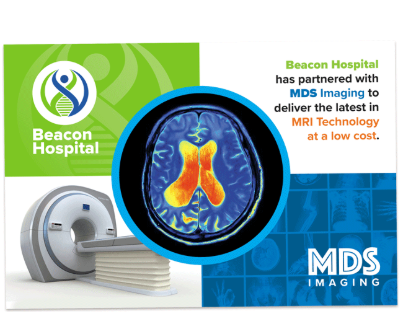
These include the use of flip mail, 3D mail, and motion postcards. These modes of mail often achieve higher engagement than traditional mailers. In the end, since the recipient tends to tilt the mailer and view it, there will be more retention, too. Therefore, if the intention is to engage an audience directly, then postcards are the way to go.
Lenticular Business Cards and Trading Cards
A regular business card can easily get misplaced in a stack of cards. A lenticular business card at 2.125″ x 3.375″ (credit card size) is a much more impressive way to make a first impression. The flip animation or 3D effect will capture people’s attention.
They are particularly effective for use in networking events, sales teams, entertainment-related brands, and collectibles. There are also trading cards and promotional cards that can utilize lenticular effects for improving perceived value and uniqueness.
Lenticular Stickers and Magnets
For any package, point of purchase, or promotional campaign, lenticular stickers bring excitement. All you have to do is upload two photos, and the flip effect comes with a rugged, colorful print.
Lenticular magnets, which are offered in a variety of shapes and configurations, represent another form of practical and proper promotion. The animated magnets feature smooth transitions and thus work well as daily reminders.
4. Prioritize Production Quality
Lenticular printing is a precise art. Lenses used, their thickness, positioning, and final touch all play essential roles.
For small-sized applications such as postcards/cards, 75 LPI, 100 LPI lenses are used. For signage applications, low LPI lenses such as 10, 20, 30, or 40 LPI lenses are used.
The production expertise will guarantee smooth motion, sharp images, and a final print product that reflects a professional and high-quality finish.
5. Align Effect With Purpose
The most striking lenticular prints are not only a real showstopper but also strategically aligned. A flip effect should show contrast or transformation. A motion effect can take viewers through a sequence. A 3D illusion should enhance depth and realism.
When the effect of the message reinforces it, the result is both engaging and effective.
Conclusion
The art of making beautiful lenticular images calls for careful consideration, creativity, and precision. As such, using the right effect, thinking creatively with movement, using the correct product format, and ensuring accuracy all play a role in making these prints beautiful.
From postcards and business cards to wall displays, event badges, and promotional products, lenticular printing provides diverse applications that really grab the viewer’s attention. Successful applications of lenticular printing achieve more than merely adding beauty to a medium: they can create interaction, memorability, and visual depth.