The Impact of Realistic Dinosaur Movement on Park Guest Experience
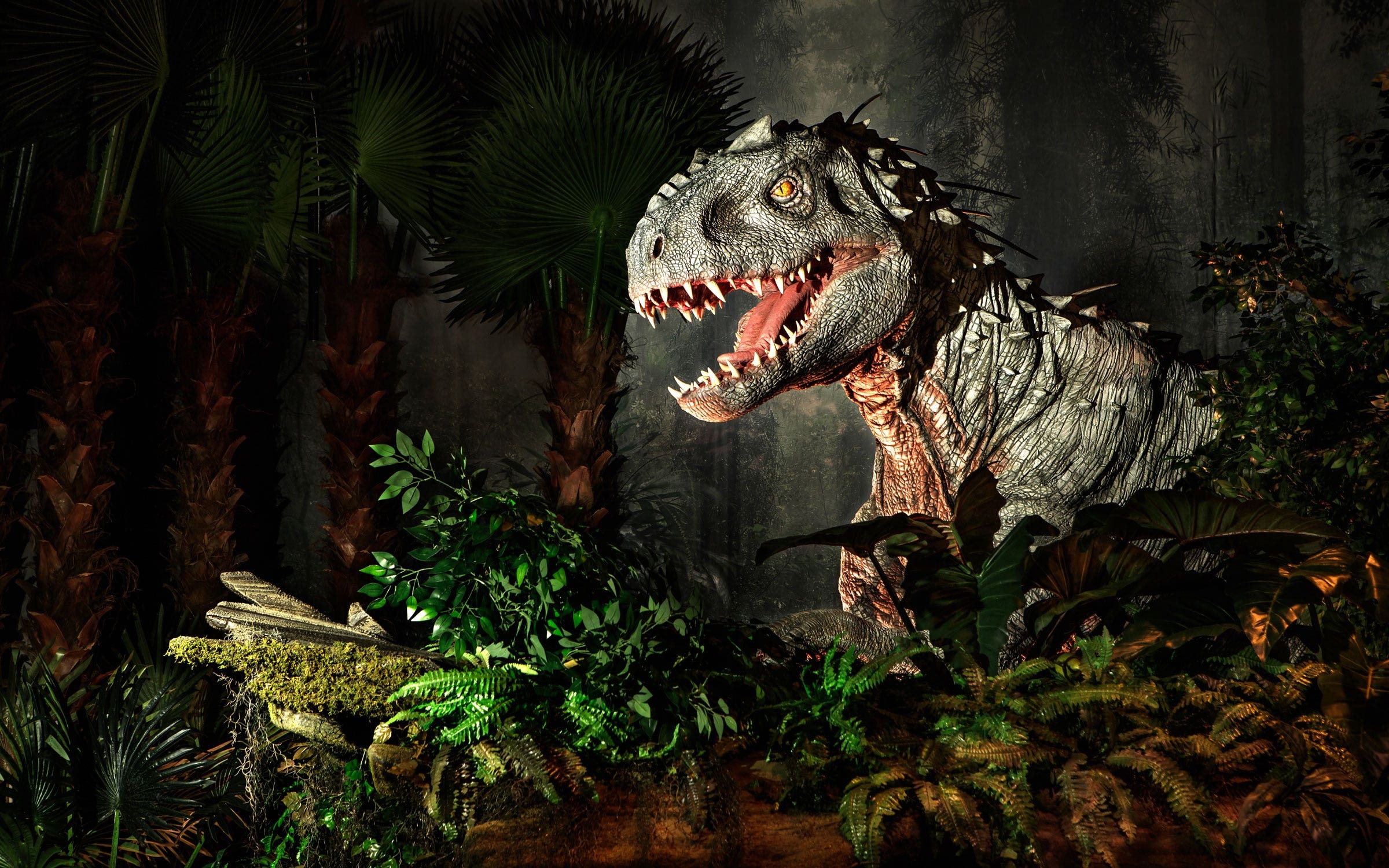
Theme parks, Museums and Learning attractions are always seeking methods to create an experience that is more immersive. Today, the visitors are not satisfied with mere displays and simple exhibits. They desire interactive, alive and memorable environments. In cases where attractions do not produce the same effect of realism, the guests usually walk out leaving behind them feeling disappointed or unconnected with the theme.
One way modern attractions solve this challenge is by using a life size dinosaur exhibit that moves and behaves like the real creature might have millions of years ago. By movement, sound and natural occurrence a display can be changed to a display that people take a quick look at and one that they pause and take photos and discuss with, even after they have left.
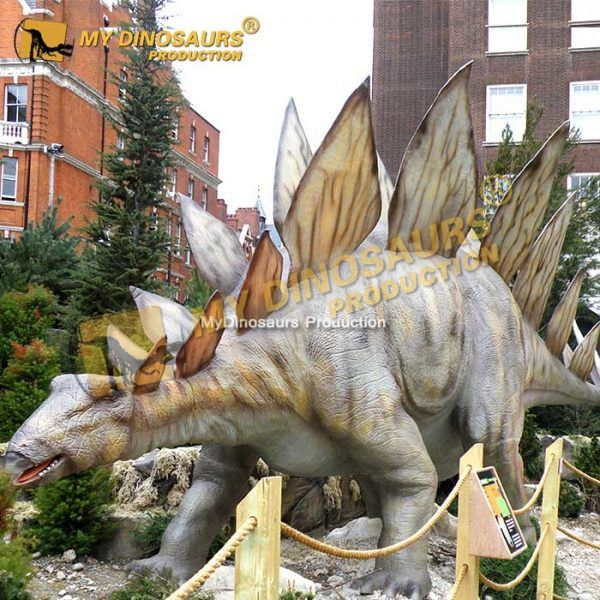
To the families, teachers and designers of attractions, it is easy. Make the experiences authentic, exciting, and educative altogether.
Common Challenges Attractions Face
Many attractions struggle with several key issues:
- Static exhibits that fail to hold visitor attention
- Difficulty creating immersive prehistoric environments
- Limited engagement for children and families
Realistic dinosaur movement helps address all three by combining education, entertainment, and visual impact.
Why Movement Matters in Dinosaur Exhibits
A dinosaur exhibition may seem good at first sight, but it is the movements that attract the most attention. Human beings have the instinctive response to movement. People cannot fail to notice when a creature turns its head, blinks or breathes.
This simple principle changes how guests interact with exhibits.
Psychological Impact on Visitors
Realistic movement triggers emotional and cognitive responses such as:
- Curiosity: Guests naturally move closer to observe details.
- Excitement: Movement creates anticipation and surprise.
- Memorability: Dynamic displays leave stronger impressions than static models.
Children are especially responsive. A moving dinosaur creates a sense of discovery that encourages questions and learning.
Creating the Illusion of Life
Modern animatronics simulate subtle natural behaviors such as:
- Head and neck movement
- Blinking eyes
- Breaching or breathing motions
- Tail swaying
- Roaring or vocal sounds
All these are put together to give the impression that the dinosaur is alive despite the visitors being aware of its being a mechanical dinosaur.
The Role of Life Size Dinosaur Animatronics in Immersive Parks
Authentic Scale Changes the Experience
Scale is very significant in visitor perception. The naked eye view of a dinosaur in its full size is even shocking to the adult who has already known the size of the animals.
The feeling of awe is immediately produced when one observes the towering Tyrannosaurus or a large sauropod. Realistic motion further intensifies the effect when it is added.
Tourists are better placed to visualize the prehistoric habitats.
Environmental Storytelling
Attractions often combine moving dinosaurs with themed environments. These environments may include:
- Dense artificial jungles
- Prehistoric soundscapes
- Fog or lighting effects
- Educational signage
A combination of these characteristics makes a mere display a narrative one.
Visitors get the impression that they are entering a prehistoric age instead of a conventional exhibition hall.
How Realistic Motion Improves Visitor Engagement
The most valuable attractions metrics is engagement. The longer and more they interact with the visitors, the more valuable is their experience.
The realistic dinosaur movement enhances engagement in a number of ways.
1. Encourages Exploration
Travelling exhibitions inherently attract people. When guests are present they tend to follow the sounds or movement and scout around exhibits around.
This helps the visitors to use more time in the attraction.
2. Creates Shareable Moments
This often happens with moving dinosaurs, which are photographed or video taped by visitors. These experiences tend to be shared on the social media, and they are always helping the attractions to get organic publicity.
A dinosaur with a roar or an animatronic torso can easily become a highlight to the visit of any person.
3. Supports Educational Learning
Children learn best through experiences that stimulate curiosity. A moving dinosaur can inspire questions such as:
- How did dinosaurs move?
- What did they eat?
- Why did they go extinct?
Interactive displays placed near the animatronics can guide this curiosity into educational learning.
Key Features That Make Dinosaur Movement Realistic
To develop plausible dinosaur movement, design, engineering, and biological reference are needed.
Here is a comparison of significant features which are applied in advanced animatonic dinosaurs.
| Feature | Purpose | Visitor Impact |
| Articulated joints | Allows natural body movement | Enhances realism |
| Pneumatic or electric actuators | Powers movement systems | Smooth motion |
| Silicone skin textures | Mimics reptile-like surfaces | Visual authenticity |
| Sound systems | Recreates roars and breathing | Multi-sensory experience |
| Motion programming | Controls behavior patterns | Prevents repetitive actions |
When these components are combined, the dinosaur acts in a natural way as opposed to a mechanical way.
Designing Experiences Around Dinosaur Motion
The most successful attractions design the entire visitor journey around these dynamic displays.
Strategic Placement
Moving dinosaurs are often placed in areas where they can create maximum impact, such as:
- Entrance zones
- Central exhibit spaces
- Interactive learning areas
Such positioning will make sure that the visitors have memorable experiences during the attraction.
Timing and Movement Cycles
If a dinosaur moves constantly, the effect may become less exciting. Designers often program motion cycles to create anticipation.
For example:
- A dinosaur may remain still for several seconds.
- It suddenly turns its head or roars.
- Guests nearby react with surprise and excitement.
This approach maintains a sense of unpredictability.
Blending Education with Entertainment
Entertainment mixed with education is a new trend in attractions. Dinosaur exhibitions are usually accompanied by information panels and digital exhibits and guided tours.
These tools help visitors understand topics such as:
- Dinosaur behavior
- Fossil discoveries
- Prehistoric ecosystems
- Extinction theories
The moving dinosaurs are the visual focus that attracts people to the learning content.
The Future of Realistic Dinosaur Attractions
Technology continues to evolve, allowing attractions to create even more lifelike experiences.
Future innovations may include:
- AI driven behavior systems
- Interactive motion triggered by visitor proximity
- Advanced materials that simulate muscle movement
- Integration with augmented reality environments
These advances will continue to blur the exhibit and experience boundary.
The level of immersion will be even greater as the demands of the visitors grow. Parks that emphasize on naturalistically moving and narration of stories will be more likely to leave lasting memories which will make guests revisit.
Conclusion
Development of interesting attractions cannot be achieved by simple displays of beauty. Visitors want experiences that feel alive, interactive, and educational.
The realistic movement in dinosaurs helps to reach this purpose strongly. As a life size dinosaur runs around naturally, the reaction of the guests is curiosity, excitement and wonder. This emotional bondage makes an otherwise simple exhibit a worth remembering adventure.
In the case of theme parks, museums, and educational institutions, it is possible to have a unique blend of science and entertainment, as well as immersive narrative, using animatronic dinosaurs. Paying attention to genuineness, deliberate design, and moving motion, attractions can recreate the world of the prehistoric past to the modern viewer.
The visitors start feeling like they have really entered the world of dinosaurs and then it is remembered.