Don’t Be Tricked – Choose The Right Silk Pillowcase
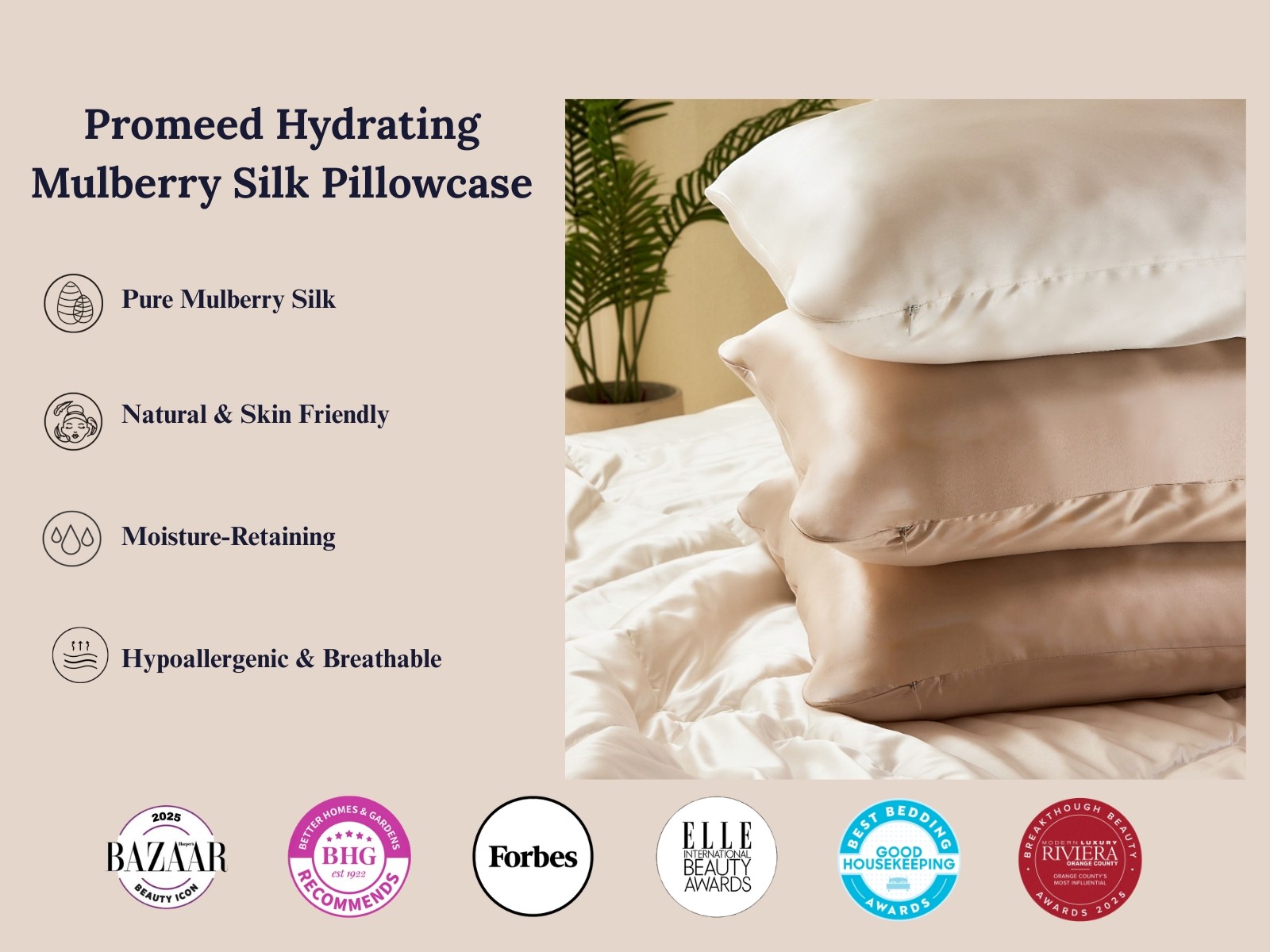
While initially silk pillowcases may seem like an easy product to pick up and get the best out of, their prices can easily spiral out of control. While it is true that a high price tag does not always mean the pillowcase is better, there are some cases where splashing the cash is worth it. In this guide we explore the many uses of a silk pillowcase and provide some advice on the products available so you can find the best silk pillowcase for you.
Why The Price of a Silk Pillowcase Can Be from $9.99 to $89.99?
This silk pillow is all over the web selling between various prices with the least expensive location being the place where it can be sold at 9.99 USD and the most expensive at 89.99! Something wrong here?
We have tried and compared various pillowcases of silk and discovered that they were different in price that is associated with the quality of silk, size of the pillow and brand.
Most products marketed as “silk” for around $9.99 are actually made from what most would consider low-end “silk” – polyester satin, a very inexpensive synthetic fabric that simply looks and feels like silk. Although it may seem like the real thing at first, polyester satin can crumble after only a few washes and it does not offer the same restful sleep benefits that real silk provides.
However compared to the above, a more expensive silk pillowcase is made of the highest quality mulberry silk. The mulberry silk is the finest quality of silk found in the market. It is made from the long fibers of the mulberry silkworm and is known for being durable, soft to touch and having a beautiful luster. Although it may seem expensive compared to similar looking polyester satin fabrics made from synthetic materials that are available at very affordable prices, the mulberry silk is expensive to produce and is in high demand in the market.
1. Must it be fake silk if it’s cheaper?
No. Of course, all our silk substitutes are inexpensive, but that doesn’t mean to say that they have to be made of cheap material.
Silk has long been a luxury fibre for centuries – renowned for its softness to the touch and lustrous appearance. Given that real silk is exclusive to produce and expensive it is common for products to be mislabelled with ‘silk’ yet be faux silk and cheap to buy. But is this always the case?
In the course of finding good quality silk products, it is worth remembering that there are various types of silk. Despite the numerous brands of silk, most of the good silk is of the mulberry cocoon and hence the most costly. Nevertheless, tussah silk can also be purchased at a lower cost and is referred to as wild silk and is less refined than mulberry.
2. Are high-priced silk pillowcases an IQ tax?
High-end silk pillowcases seem to charge an “IQ tax” – being marketed towards the over-affluent due to their high cost. But are they really value to the wouldely-heeled or are they just ripping off cash to gullible rich people?
The next time you go and shop a silk pillowcase, you will know why some cost more than others. Is it the type, the quality of the silk, size of the pillowcase, the brand or the pack size that drives up the price.
Although the prices of luxury silk pillowcases are high, and it is understandable that the high prices will impose an IQ tax on silk pillowcases, it is your money and you may choose to spend it on such products or not depending on your needs and situation.
3. Are there really cost-effective silk pillowcases?
High-end silk pillowcase are becoming increasingly popular due to their nourishing properties on the skin and hair. On the downside many are on the higher end of the market, but fear not as there are many more affordable options without compromise on quality or style. Here we review some of the best affordable silk pillowcase on the market today.
This article looked at some of the health benefits to using a silk pillowcase. Here are 4 tips for buying a silk pillowcase on the cheap.
Check for Similar Products – We recommend comparing similar products before buying from other online retailers. Comparison shopping online helps you to secure the best deal for the Silk Pillowcases you are about to purchase.
While Mulberry silk is generally regarded as being the highest quality, there are other forms of silk available on the market that still offer a host of benefits at a lower price point. One example is Tussah silk.
Don’t necessarily go for the top brand name products as they often have a higher price tag due to their high-end marketing and advertising campaigns. Opt for alternatives with similar quality and price but lesser known brand names or products sold by independent sources.
Read the reviews: You should take the time to read the reviews left by other customers who have purchased the items you are interested in. This will give you an idea of the quality of the item and whether it is worth the price to you.
It’s tempting to wonder if not all silk pillowcases are created equal, but the most important factor in such products is quality. However, that doesn’t have to mean you have to shell out the extra cash for the best benefits. By spending a little time researching and shopping around smartly, you can score an awesome affordable silk pillowcase to slip your head under every night.
4. How can one easily and certainly tell real silk from artificial or spurious silk?
It is not an easy task to identify the silk and in most cases, unethical practices are used when marketing faux silks. Being familiar with the properties of silk and how to associate silk without using false labelling can help to identify the correct fabric to use in a project. The first thing is to take a close look at the fabric and examine all of its physical features and applications.
Where possible look for the label: Many products will tell you on the label what percentage of the product is made from silk. For example, the product may say “100% silk” or alternatively “100% mulberry silk”. If a product is described as “silk blend” then it will contain some silk but also another material.
Silk fabric texture is something that can be felt easily by anyone. You do not need a lot of effort to determine that it is a silk fabric by teching the fabric with your fingers or by wearing it on your body. It is smooth and silky in appearance and also it does not hurt your skin. The texture of silk is feelable by fingers and can be experienced as going off your fingers when running through silky cloth. Silk fabric has a unique texture that is not similar to any other fabric and this is what makes it a beloved and demanded one.
Silk is very light weight fabric, far lighter than cotton or polyester. You should be able to hold the silk up to the light and feel just how light weight it is.
Silk Check The Sheen: It is a fact that even the cheapest silk with the worst texture will have some sort of sheen or glow to it. So check the sheen of the fabric against a light source and if it has a slightly shiny appearance this should confirm that the fabric is indeed silk.
Burn test: This is probably the best test to see if a fabric is actually silk. The majority will not be able to determine by just looking at a fabric whether it is made of silk or not. You can be sure about the fact that a fabric is or is not silk with only a simple test. Take a small bit of the piece of fabric and place a flame on it and observe what happens. Silk burns slowly leaving minimal or no residue. It will leave small amounts of ash that are brittle and almost crumbly. Synthetic products will melt and burn quickly and produce a lot of sticky residue.
There are several types of silk, however not all are created equal. Most of the silk being sold in the market today is that of the mulberry insects, although Tussah silk has a strong competition on its durability and value which is usually confused with the mulberry silk. You would have to be clear about each types of silk when deciding on it.
Silky= Silk?
Silky fabric or silk fabric bedding products like the silky fabric pillow cases and silky pillow cases are usually confused to be of the same product due to their similar appearance and soft feel. But the silky fabric pillowcases are not equal to real silk pillowcases and possess their specific features and advantages. We also use 100% natural silk fibers to our pillowcases, which have numerous benefits in wrinkles and skin. Our pillowcases made of the silky fabric resemble silk in their look but not in everything. The choice of the fabric is, after all, your business and what you seek in bedding.
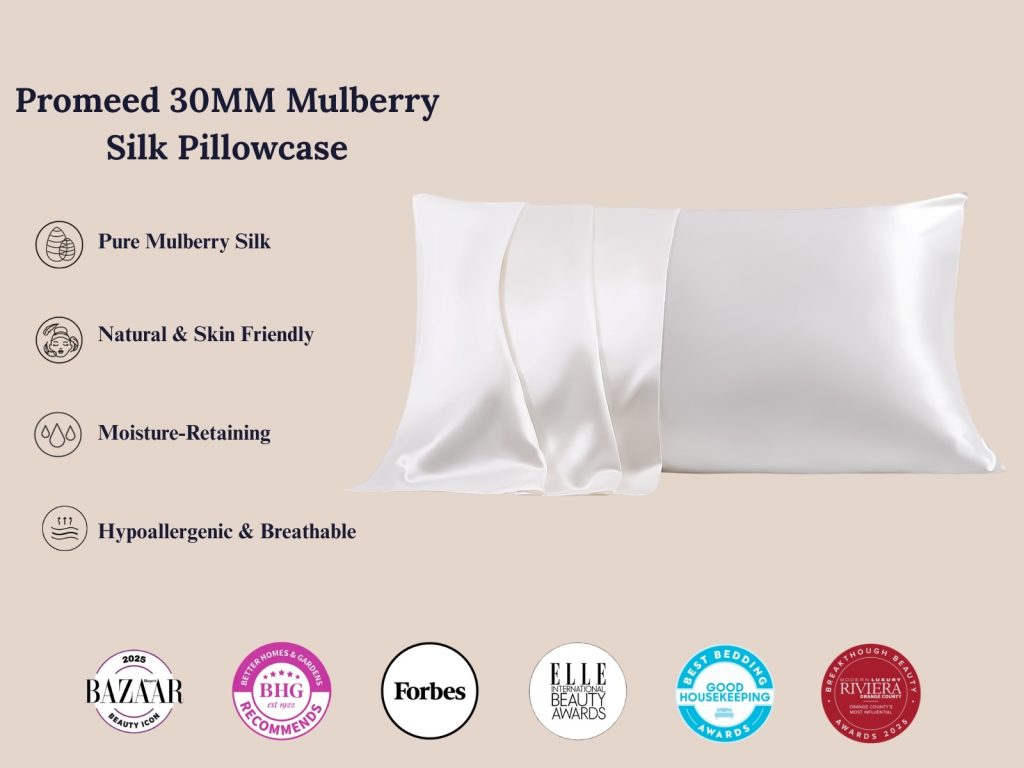
Silky fabrics will generate dust, therefore, make sure that you read the description before placing an order in case you are an asthma patient. Also, silky fabrics are classed as being hypoallergenic.
1. This product also features a silky texture that detangles hair. Why silky?
Satin and silk are also at the top of the list in terms of the fabrics that are friendly to your hair. They are silky, and so are both the feel of them on the hair of your head. However, the fact that they are similar does not imply that Satin is the proper alternative to silk that is many believe it to be. Actually, Satin is less expensive than silk, and since it is more hair-friendly than either, it is easier to clean, which only makes it the more desirable.
Silk is a fantastic choice to people with hair since it flat lays down, gets rid of frizziness, and prevents split ends, and is hypoallergenic. Silk pillowcase is a very precious commodity as a sleeper since it not only assists you in achieving good night sleep, but also you wake up with a good hair.
2. Whether all silky fabrics will not produce dust? Asked by asthma people
For people with asthma we generally recommend that they try to avoid exposure to dust and allergens and on that note many people have asked the question do all silky fabrics produce dust.
Some Asthma Triggers are so small you can barely see them, yet so big that controlling them can seem impossible. Among the widely used triggers of asthma are the lowly dust mite. Everything that contains fabric should be vacuumed or wiped in order to control dust mites as well as all fabric can be washed with hot water. The dust mites inhabit bedding especially the mattresses and box springs. They can even be found in carpets. Some silky fabrics repel dust mites if they are treated with chemicals. But not all silky fabrics do the job, so check product labels before you buy.
The hidden allergens in silky fabrics: Many silky fabrics are made from synthetic materials. These can produce dust and contain allergens and are generally less durable than naturally silky fabrics made from mulberry silk. As synthetic silky fabrics break down they can release small fibres into the air causing problems for people with asthma and allergies.
Natural silky fabrics contrasted with synthetic silky fabrics do not produce dust and allergens. Pure silk is harmless, non-irritant and hypoallergenic, which means that no irritation or allergy to it is expected in any part of the skin. Natural silky fabrics, like pure silk are unlikely to harbor dust mites and other prevalent allergens because they are made of smooth and lustrous fibres that are not absorbent to moisture.
All silky fabrics are not dust-free and there can be hidden sources of dust and allergens. However, in general natural silky fabrics are less likely to cause problems than man-made alternatives and pure silk is particularly good for people with asthma.
3. Silky pillowcases caused an allergic?
Silk natural – Natural silk: Natural silk is derived from the silkworm cocoon. One of the most natural fabrics currently available, natural silk is hypoallergenic and chemical free. Natural silk fabric is also free from toxic dye. It is an excellent choice for sufferers of allergies as it is dust mite proof.
Synthetic silky fabrics: Many silky fabrics are made from natural materials such as silk or cotton. However, some silky fabrics can also contain natural allergens. Others are made from synthetic materials and can cause allergy symptoms due to the chemicals and dyes used in their manufacture. Check the label or do some research if you are unsure what fabric the silky garment is made of.
Dust mites cause many cases of asthma and allergies. They live in carpets, bedding and all sorts of fabrics. They can’t live on silk so it is a good choice for allergy sufferers.
Of all the fabrics natural silk is probably the most hypoallergenic of them all, being also dust mite proof.
How to Judge the Silk Quality
Silk can be quite tricky to assess in quality. As a general rule, you can assess silk quality by looking at it, feeling it, trying it on.
Wool yarn: what to look for when buying wool yarn?
Fiber thickness: is it thick and chunky or fine and lacy?
Shine: does it have a gloss or a matte finish? Weight: is it lightweight or heavy? Colour: is it natural or dyed?
1. 22mm? 23mm? 25mm? 30mm? What’s that?
Commonly speaking, the width is used to designate lightweight, normal weight or heavy weight fabrics of 22mm, 23mm, 25mm and 30mm silk fabric, but also by weight, 22mm, 23mm, 25mm and 30mm silk fabrics. The 22mm, 23mm, along with the corresponding.
The majority of the Silk fabrics are sold by weight (mm) – the typical weights include 22mm, 23mm, 25mm and 30mm. The weight of the fabric in lbs each is a 100 yard bolt, and would be a good measure of the quality and life of the fabric.
Silk fabric is measured in millimeters of the weight and the more the weight, the thicker and the more heavy the fabric will be. Silks of heavier or greater thickness are sturdier and more durable than the lighter ones, however, they can be more difficult to handle and work with.
One of the factors that are not given much attention to when selecting silk fabric is weight, also referred to as thickness of fabric, which should be taken into account in order to determine the fabric drape; how the fabric will act once sewn and the appearance to be expected of the end result after the entire garment is completed.
2. Is the momme number a measure of the quality of the battenberg silk?
No, the momme number measures the weight of the silk, not the quality. High quality battenberg silk comes in many different weights.
In the silk industry, the weight of a silk is measured in momme. Many people mistakenly believe that the higher the momme weight of a silk, the higher the quality. While weight is one factor that can affect quality, it is not the only determining factor.
In addition to color and texture, there are further factors which affect the quality of silk. These include the type of silk, the fabric’s weave, and the fabric finishing.
We recognise that when it comes to high quality silk textiles, this is largely a matter of personal preference. However, within each cocoon species, there are certain silks that are of a higher quality than others. Within the cocoon species, there are also different methods of finishing the fabric that can improve the quality and handling of silk fabrics. For example, within the cocoon species, mulberry silkworms have longer and stronger fibres than other species, which can produce finer textiles. The silk fabrics we use in our bedding range have been subjected to processes such as sand washing to improve the softness of the fabric.
3. Which Momme is the best for me?
In recent years, many silk fabrics have started to be measured in what’s called “momme.” Determining the right momme weight for your needs, however, depends on several different factors, mostly personal choice and intended use.
Durability: Generally, the higher the momme weight of the silk, the more durable it will be. If you are looking for a silk pillowcase to last for years to come, it may be worth investing in a higher momme weight fabric.
Silk Products – Texture: The weight of the momme also determines the weight and feel of the product. A light weight momme has a very light and delicate texture and a heavy weight momme has a thick and heavy texture.
Personal preference: The best momme weight for you will depend on your personal preferences. Some people prefer the feel of a lower momme weight (such as 3.5 momme) which is lightweight and delicate, while others like the feel of a higher momme weight (such as 10 momme) which is thick and luxurious.
4. OEKO-TEX 100 Certified Silk Bedding
Silk pillowcase OEKO-TEX Standard 100 certification level – means that we have established the level of potentially hazardous substances in our product. By purchasing our silk pillowcase you are buying a healthy sleep!
5. Manufacturer’s reputation
And don’t forget to check the manufacturer’s reputation.
When shopping for high quality silk pillowcase products, take note of the manufacturer Quality Control. A quality manufacturer will have a system in place to check products before they are sold for general consumption.
Initial impressions: A well-known manufacturer would be likely to have produced reliable pool cleaning products in the past.
Reliability: Buying from a known manufacturer helps ensure you are buying a genuine product and not a low quality knock off off the shelf as opposed to having to wait for a reliable product to be made.
6. Country of origin
As well as being classified into fibres it is also classified into grades and different countries have different standards for their grade of silk. Some of the highest grade mul mul silk is produced in China and India and this is often referred to as being the finest quality.
And there’s the final point: finding your perfect silk pillowcase. Price, Materials, Certifications, Manufacturer and Country of Origin all need to be taken into consideration and you will be rewarded with finding a pillowcase that meets all your needs for healthy skin and hair and one that looks beautiful too.