The Role of Ergonomics in Workplace Well-Being
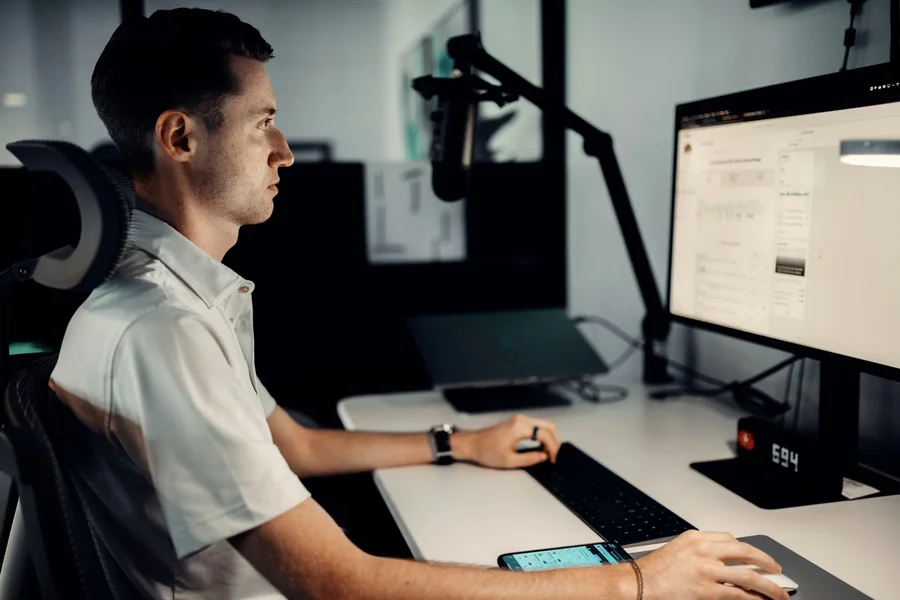
Workplace ergonomics is a discipline aimed at creating working environments that are compatible with human motions, power and their psychological resource. Modern work planning has made it a fundamental aspect, which facilitates safer routines and efficient work on the tasks. Companies in various industries are currently focusing on the impact of workstations, tools and day-to-day processes on physical comfort and health in the long-term.
Experts in this area researche the way in which different individuals are involved with the workplace. Their activity contributes to enhanced coordination between duties and the human body and promotes strain reduction and contributes to consistent performance throughout the day-to-day activity. The role of ergonomics experts is central to assessing risks, recommending improvements, and ensuring that workplace designs follow established ergonomic principles.
Development of Ergonomic Thinking
The ergonomic ideas can be traced back to the initial human endeavors of shaping the tools and work methods in relation to physical capability. Further systematic research on the topic increased throughout the twentieth century. The war actions during the most significant world wars necessitated the design of improved equipments and the ability to assign certain tasks more straightforward and it necessitated more in-depth research on the studies of human performance and limits.
Discoveries of that time subsequently impacted on civil work situations. Offices, factories, and the public services started to implement design methods which included concern on posture and movement as well as task flow. However, with time, ergonomics became a component of planning the workplace in most of the industries.
Core Design Principles
Workplace ergonomics adheres to a combined set of design concepts which inform the design of work and work environments.
One principle is the correspondence of the tasks to human ability. The equipment and workstations are structured to accommodate various body shapes and movements.
There is another principle promoting natural alignment of the body when working. Chairs, desks and equipments are adjusted in a way that they minimize the burden on the joint and muscles when the equipment is overused.
Another work method takes into account the physical levels of effort. The tools and processes are oriented in such a manner that the tasks use less force when performing the task repeatedly.
Repeating tasks also is addressed. The work design is intended to ease repetitive motions involving patterns which over time exert stress on the muscles and tendons.
They scrutinize the working areas in the areas concerning lighting, noise, and temperatures. Such aspects affect comfort and focus when performing every day task.
Effects of Poor Work Design
Most work places that are not ergonomically planned are usually threatened with health and productivity among employees. Prolonged work periods in improperly structured environments may cause muscle pain, pain in joints, and eye strain. Such environments are often characterized by problems in the back, wrists, and neck.
Such health issues may cause lower turn up in workplaces and also decreased production rate. Workplace strain may impose unwanted strain on organisational resources associated with medical costs.
The level of employee morale will decrease as they will be experiencing the process of discomfort as a day to day activity. The rate of staff turnover can increase in the workplace where a significant number of physical strain exists and this will add more recruiting and training needs.
Role Across Different Work Settings
Healthcare Environments
Ergonomic planning favors both the medical staff and patients in the healthcare facilities. The layouts of the hospitals are so designed that they minimize strain when handling and moving patients. The physical placement of equipment in treatment rooms favor easier procedures and less risky physical handling when completing care networks.
A well-designed work station design is also advantageous to administrative areas within hospitals. Employees dealing with documents and electronic systems need arrangements that relieve them of the hassle when working at their desk long schedules.
Technology and Remote Work
The development of the digital work has heightened the focus on home and remote office arrangements. Location of the screen and design of chairs and desk height can determine comfort when using the computer over a long period.
Ergonomics experts advise employees on how the home workstations should be set up. Adequate distance between the screen and eyes as well as appropriate sitting support are some of the aspects that would ease the stress incurred over long hours at the computer screen.
Industrial and Manufacturing Work
Manufactories and assembly lines deal with hands-on activities like lifting, assembly, and handing. Ergonomics within such an environment is used to minimize the physical effort in such activities.
Design of machine layout and workflow is assessed to keep awkward posture and repetitive strain to a minimum. Tool design and task rotation are some of the things that can be adjusted to minimize the risks of injuries in workers working in production settings.
Office-Based Work
Proper layout of work stations will be needed in offices. Screen placement, position of chairs, and desk level play a role in determining posture when sitting at work over prolonged periods.
Inadequate layout of office areas is likely to cause neck pain, wrist pains, and eye burnouts. Systematized workstation layout assists in facilitated workflow, in addition to diminishing body pains associated with sedentary jobs.
Digital Work Challenges
The pattern of physical strains has emerged due to increased screen use. Spending a long time on screens can be associated with the development of fatigue and decreased concentration. Regular typing and working on the device can also be a stressor to hands and wrists.
Short screen-free breaks are one of the practices usually adopted in work places. Employees are advised to periodically look outside the screen and focus their eyes in far-off objects. This aids in alleviating eye strain associated with sustained screen activities.
Patterns of software interaction and patterns of design of the devices are also checked in an effort to minimize the repetitive strain when using keyboards, touchscreens and handheld tools.
Emerging Directions in Workplace Design
Designs in the workplace are still in the process of continuous development using new tools and techniques. There are now data systems which can be observed during work activities in terms of movement patterns, enabling setting up of workstations according to the user activity.
Smart watch posture and movement sensors will give feedback on how the body is positioned when doing an activity. The information facilitates modifications to minimise relationship strain in day-to-day activities.
The desire to have environmentally conscious design has shaped the choice of the materials and the techniques of manufacturing workstations. Male devices or furniture have been produced keeping the strain to the environment low in both production and utilisation.
Planners can use virtual design tools to experiment with designs of workplaces prior to the actual set-up. Online simulations facilitate assessment of movement flow and spacing as well as workstation layout in controlled conditions.
Conclusion
The term ergonomic planning is critical in defining the way individuals feel about their workplaces. Posture, movement and task structure attention reducing promote healthier physical condition in most industries. Ergonomically designed workplaces tend to register an easier time in the workplace and record fewer complaints of physical discomfort in employees.
With work practices constantly changing with new technology and new patterns of work, consideration of human-centred design is a consistent ingredient of workplace planning.