How Fashion Brands Use Packaging to Increase Value and Optimise Costs

In fashion and clothing, the majority of brands are obsessed with fabric sourcing, silhouettes, colour palette by season, and influencer campaigns. However, one of the most frequently ignored sources of perceived value is packaging. In the modern-day market, packaging has ceased to be a protection and a barrier between the factory and the customer. It has turned out to be an apparent continuation of brand positioning, operational effectiveness, and profitability in the long term.
Being involved with the process of apparel production, retail introduction, and direct-to-consumer shipping operations, I have been personally exposed to how the packaging choice directly affects the rate of returns, consumer satisfaction, and repurchase behaviour. The garment can be of the best quality, yet a poor packaging will ruin it. A careful packaging, conversely, can make a mere cotton shirt a truly high-end experience.
Packaging as a Core Element of Brand Architecture
Value in fashion is created by perception. The same two garments can be retailed at vastly different prices based on how they are presented. Packaging is an essential part of creating that perception prior to the customer even getting their hands on the product.
When a customer gets an apparel item, the initial feel they get is not the fabric but the package. The box weight, the feel of the paper, the accuracy of the fold, the alignment of tissues, and the fact that there are no creases at all. All these things add to the initial judgment of the buyer about the quality of the craftsmanship and the brand.
Operationally, packaging should be used to fulfill three functions:
- Protect the clothes when transporting and storing.
- Strengthen brand image at the time of opening.
- Enhance logistics and cost effectiveness in the supply chain.
The majority of new brands pay much attention to the aesthetic design and neglect the structural integrity. This results in lost boxes, garments that are wrinkled, and unbalanced unboxing processes. In the long run, such discrepancy loosens brand confidence in a way that is hard to turn even with a marketing campaign.
Common Apparel Packaging Mistakes in Production

Collaborating with apparel manufacturers and fulfilment hubs, some packaging malfunctions recur among brands of any size.
Underestimating Fabric Sensitivity
Silk, satin, blends of linen and lightweight cotton wrinkle easily when pressed or moved. Thin mailers or oversized cartons will permit garments to move during transportation and this will lead to creasing which directly impacts presentation, retail or direct-to-consumer delivery. The fix is never high quality material, but it is fine sizing and internal stabilisation.
Over-Packaging without Structural Logic
Some brands invest in the rigid boxes that are very flashy on a shelf but not internally stabilised. Garments can slide freely in the box without inserts, fold precision or belly bands. The outcome is a movement damage regardless of a high unit cost and high-quality exterior.
Ignoring Humidity and Storage Conditions
In international supply chains, clothes are shipped often through humid ports and warehouses to the final consumer. The absence of moisture resistant liners or regulated packaging arrangements will result in garment dampness during transit. It leads to odour problems, destruction of texture, and quality failure in the inspection of quality at the destination.
Poor Size-to-Box Ratio
Large packaging also adds to the cost of shipping, because most of the carriers use volumetric weight calculations. This is especially damaging in e-commerce where the margins are already low. Precision sizing is not a style decision, it is a first level cost plan that multiplies in the thousands of deliveries.
How Premium Fashion Brands Structure Packaging Decisions
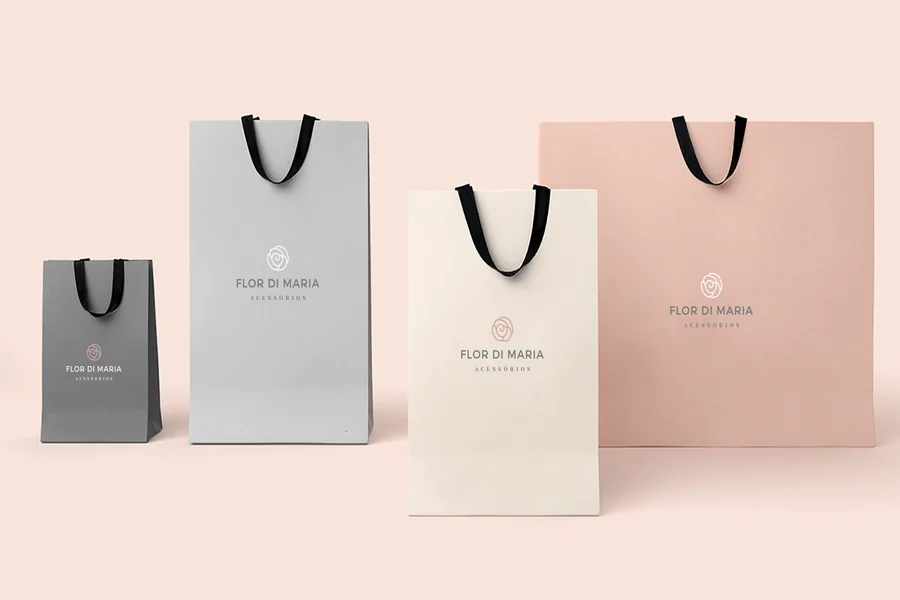
Successful apparel companies look at packaging as product design. It is a systematic, tried and process directly connected to garment behaviour, not just brand aesthetics.
Material Selection
The material is selected not only because it is aesthetically pleasing but because of compression resistance and durability (when stacked) in the warehouse and transit environments. Premium segments have rigid board, reinforced corrugated structures and layered inserts. The process of specification of materials follows the way in which garments are specified.
Garment Folding Protocol
Best brands will develop comprehensive folding SOPs of each product category. The structured folding template will help make each garment fit perfectly in its packaging size no matter which fulfilment team or facility works on it. In this case, consistency directly affects the customer experience.
Insert Engineering
Garments that require delivery in their excellent state can not be delivered with the help of tissue paper only. To ensure that the item does not shift during shipping, belly bands, moulded inserts, or support boards are used to ensure that the desired look is maintained at the time of unboxing.
Logistics Simulation
The experienced brands check the stacking performance, drop resistance, and pallet stability in realistic conditions before introducing any new packaging system. This initial investment on simulation prevents expensive redesigns and customer complaints.
Apparel Packaging Requirements by Product Category

Various types of apparel need different logic of packaging. A one-size-fits-all approach does not work well with various product lines.
| Apparel Category | Packaging Priority | Structural Approach |
| Luxury Dresses | Wrinkle Prevention | Rigid box with internal fold support |
| T-Shirts | Volume Efficiency | Compact folding with reinforced mailer |
| Knitwear | Shape Retention | Medium-depth box to avoid compression |
| Outerwear | Weight Support | Double-wall corrugated structure |
| Lingerie | Presentation & Delicacy | Soft-touch rigid packaging with inserts |
The ability to map packaging choices to garment behaviour, not overall box size, is what the difference between operationally mature brands and those that continually have to deal with damage claims.
How Is E Commerce Changing Packaging Expectations?

Now e-commerce has significantly changed the standards of packaging. Purchasing online means that the unboxing experience takes the place of the whole in-store sensory experience.
In brick-and-mortar stores, customers feel fabrics, check the stitching and drape before they commit. On the other hand, online customers are highly dependent on the packaging experience to validate or refute. The quality expectations are provided by product photography and brand positioning.
Premium brands have designed factors like resistance to box opening and smoothness, consistent interior branding, layered reveals and easy removal with no tearing or spillage. Luxury clothing packaging has a significant impact on these intimate moments and whether the consumer perceives that they have received the value of their money.
How Can Brands Balance Packaging Cost and Perceived Value

Packaging cost is one of the most frequent issues of apparel start up. Many think that premium packaging is a cost, not a source of revenue , and this positioning is the source of miscalculation.
Direct effects of packaging are on the rate of returns, shareability on social media, customer retention, and giftability. When a garment is delivered in a perfect state, it has more chances to be photographed, shared and gifted. That organic exposure builds up over time and lowers the cost of acquiring a customer.
Experience also indicates that a properly designed packaging system also minimises invisible losses in operation, such as damaged goods needing replacement, repacking labour in fulfilment, overheads in customer care, and discounts on products with presentation problems. When such expenses are added up, high-end packaging often covers itself.
Aligning Sustainable Packaging with Performance
Sustainability is one of the aspects that modern apparel brands cannot ignore. The packaging should align with structural performance. Most brands change to thinner recycled mailers without compression resistance testing. Although sustainable in material, lack of structural integrity means the garments will be damaged during transportation, creating its own waste by way of replacements, returns, and packaging. The packaging solutions will strike a balance between recyclable components, structural stability, low surplus volume, and end-customer disposal guidelines.
Sustainability is not just a question of choice of materials in apparel. It concerns waste minimisation throughout the entire chain of supply, the waste created by damage, returns and failures.
Bulk Manufacturing Considerations for Apparel Packaging

Alignment of MOQ is essential, the minimum order quantities in packaging should be aligned with seasonal production runs of apparel, to prevent stocking up. Storage planning is important as the use of rigid packaging takes up space in the warehouse, and that expense should be computed against the use of flat-packed. Printing uniformity in seasonal collections requires effective planning to avoid old packaging consuming margins. And reliability of suppliers is non-negotiable: the time frame of packaging needs to be adjusted to the schedule of garment production, as any delays in packaging are directly related to product launches.
Avoid Over Engineering in Packaging
Although high-end packaging leads to a perceived value, too much complexity can raise the assembly time, labour, and error rate at fulfilment centres. Every extra insert, ribbon, or closure mechanism is seconds per unit, which scales rapidly.
Well-known brands simplify packaging to make assembly as quick as possible, components that are easy to pack, and the structural integrity is not compromised. Efficiency is a kind of elegance and the most efficient packaging systems appear to have been thought over without being a heavy load in terms of operation.
Why Is Packaging Considered a Long Term Brand Asset?

Brand memory carries on, yet fashion is cyclical. Customers are reminded of the way a garment made them feel since the very first encounter with it and such an encounter starts with the packaging.
Packaging has an impact on emotional reaction, the perceived genuineness, gift-ability, and potential of social sharing, unlike product photography or campaign copy could do on their own. Subtle operational excellence is often the source of long-term differentiation in competitive apparel markets, as opposed to visual gestures.
What Are the Best Packaging Strategies for Apparel Brands?

Based on personal experience in the industry, the best-known systems of packaging apparel are based on the same principles:
- Not box size, match structure to garment behaviour
- Test extensively before going into mass production
- Shipment test with actual shipping and stacking
- Sustainability commitment and balancing between structure performance
- Adjust packaging manufacturing schedules with clothing manufacturing schedules.
Brands that consider packaging a strategic tool, but not a marketing tool, will always beat the competition in terms of customer retention, brand awareness, and efficiency of their operations.
Final Perspective
The initial physical manifestation of that identity is packaging. When well designed, it guards product integrity, enhances brand equity and maximises logistics concurrently across all channels.
When fashion brands are mindful of their packaging strategy, it establishes consistency between production, retail, and digital touchpoints. In the long run, such reliability fosters confidence and confidence creates value over time that multiplies season after season.
The packaging in the apparel markets no longer takes a back seat. It is a structure for brand development.