Common Mistakes to Avoid When Buying Luxury Real Estate in Antigua
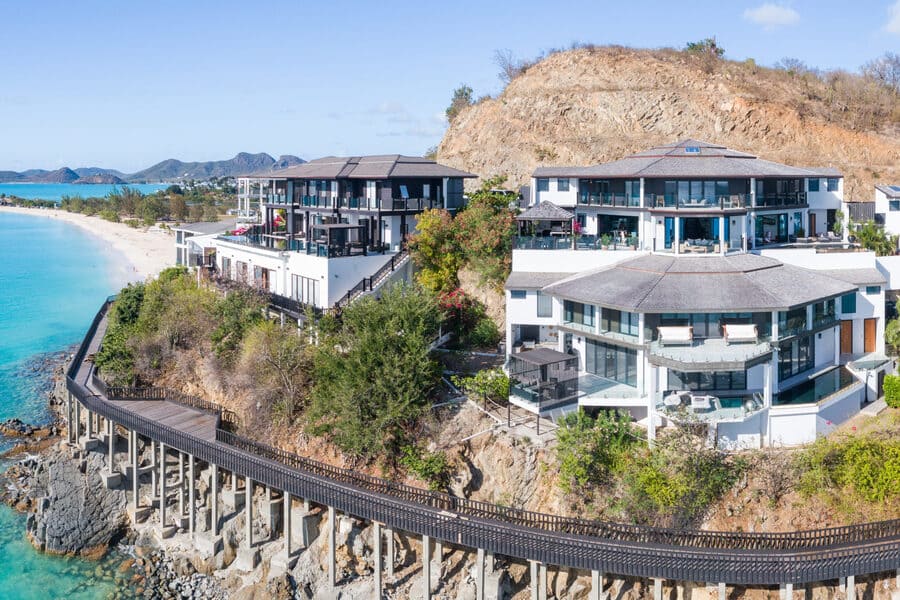
Luxury ownership in Antigua is not limited to its well-known 365 beaches. For the modern investor, it is a calculated move to secure a sanctuary for both lifestyle and capital. This is a place where privacy is a currency and luxury is the expected standard.
The financial logic behind this choice is undeniable. Over the last five years, Caribbean prime residential prices have risen by 27%. The data reflects a sustained growth pattern that goes well beyond the island’s appeal as a scenic escape. It’s a resilient powerhouse for wealth preservation.
However, a successful acquisition takes more than just a large budget. The Antigua market has unique layers that can easily surprise even the most experienced global buyers.
Critical Mistakes to Avoid in the Antiguian Luxury Market
Underestimating the Timeline of the Non-Citizen Land Holding License
When you find the right property, the instinct is to close the deal as quickly as possible. This is rarely the case in Antigua because of the Non-Citizen Land Holding License. Every international buyer must go through this mandatory vetting process. It often takes between three and six months to receive approval. Many investors fail to account for this waiting period in their relocation plans. You cannot legally own the property until the license is granted. Understanding this timeline early prevents a lot of unnecessary stress during the transition.
Relying Solely on Digital Representations and Remote Inspections
It is easy to become interested in a property from overseas. Digital tours and high-quality photography make it simple to explore Antigua homes for sale. However, a screen cannot tell you how the tropical climate is affecting the structure. The salt air and high humidity are remarkably tough on even the most expensive building materials. You need to know the true condition of the mechanical systems and the foundation. A physical inspection by a professional local surveyor is the sole way to avoid hidden repair expenditures. This step makes sure what you see online matches the reality on the ground.
Neglecting the Nuances of the CBI Program
The Citizenship by Investment Program is a major pull for several luxury buyers. However, not every high-value property qualifies for this specific incentive. One should invest in a project that has been officially sanctioned by the government. Buying a beautiful private estate that is not on the approved list will not facilitate your citizenship application. There are also strict rules regarding how long you must hold the asset. If you sell the property before the five-year mark, you may face serious legal and status complications.
Choosing to Use the Seller’s Legal Representation
Some buyers choose to use the seller’s legal representative to simplify the procedure. This choice can lead to a significant conflict of interest. You need your own Antigua attorney to protect your unique position as a buyer. They are responsible for verifying that the title is completely clear and free of old debts. They also ensure that all historical building requirements have been satisfied by previous owners. Having your own counsel is the only way to guarantee that no hidden legal burdens follow the sale.
Miscalculating Total Acquisition and Operating Costs
The total cost of ownership extends way beyond the initial purchase price. Most luxury buyers remember the 2.5% stamp duty but forget the license fees. The Non-Citizen Land Holding License involves an additional fee that is typically 5% of the property value. You must also consider the cost of premium hurricane insurance and high-end utility management. Maintenance for amenities like infinity pools and tropical gardens requires specialized labor that adds up quickly. A well-informed budget will include these operating expenses to ensure your investment remains a source of joy.
Strategic Considerations: Location and Resale Value
The Risks of Location Homogenization
Antigua is a collection of distinct micro-markets rather than one uniform investment zone. English Harbor attracts the global yachting community and offers high rental demand. Contrastingly, Jolly Harbor puts forward a more structured marina lifestyle. The East Coast remains the preferred choice for those seeking total seclusion. Choosing an area without understanding these regional shifts can severely limit future resale liquidity.
The Realities of the Non-Speculation Law
Land banking is restricted in Antigua by the Non-Speculation Law. Most land covenants mandate that construction must begin within a specific timeframe. This policy prevents prime real estate from sitting undeveloped for years. Failing to break ground can lead to significant financial penalties, making a clear development schedule a requirement for any successful land acquisition.
Conclusion
A successful purchase in Antigua relies on more than just a good eye for property. It requires local expertise to protect your interests. Avoiding such common mistakes helps ensure your investment is secure and reliable. Getting advice from professionals early on makes the total purchasing procedure smoother.