Common Problems Homeowners Ignore Until Repairs Become Expensive
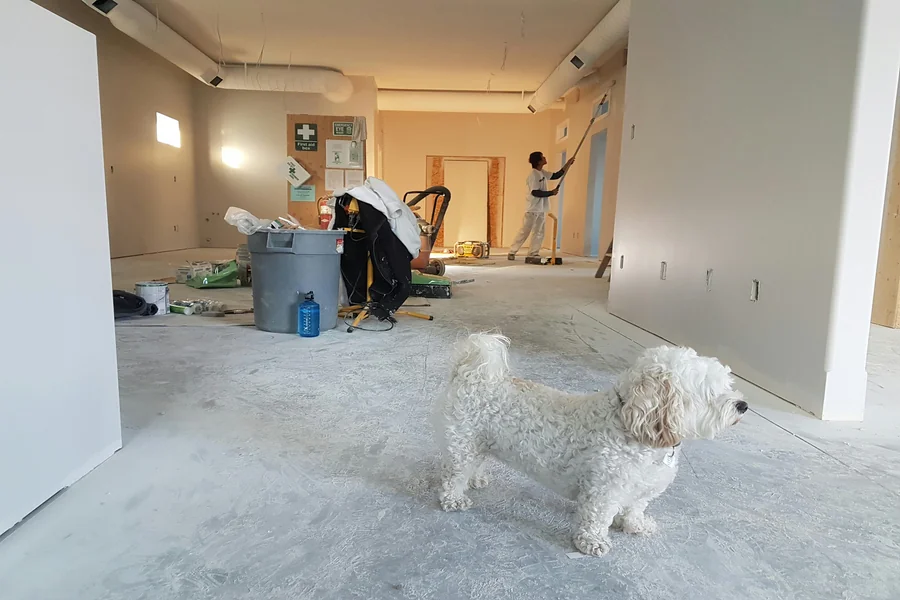
A strange sound in the wall gets ignored for weeks. A draft near the living room window feels noticeable during colder evenings and forgotten the next morning. Most household problems begin quietly, which makes them easy to delay.
Small issues develop beneath the surface constantly. Water slips into narrow gaps, window seals weaken and bathroom moisture settles into poorly ventilated corners – because the damage spreads gradually, many homeowners put repairs off until costs become difficult to ignore.
Busy schedules often make small repairs feel unimportant. A ceiling stain may seem harmless and cracked siding may not appear serious during dry weather. Then conditions change, moisture spreads and what once looked minor suddenly requires expensive repairs.
Drafty Windows Are Quietly Raising Costs
Windows are often ignored because they continue functioning in a basic sense. They open, they close and no shattered glass is visible. Meanwhile, small air leaks may already affect indoor comfort and energy use in ways that do not stand out immediately.
Tiny gaps around window frames allow outside air to move indoors throughout the day. During colder months, heating systems run longer than necessary. During warmer weather, cooled air escapes while humidity enters the home – and utility bills slowly climb and many homeowners blame changing temperatures instead of aging windows.
Condensation between panes, drafts near couches and windows that stick during everyday use usually point toward failing seals or worn materials. Homeowners dealing with these issues often look into replacement options through trusted companies like C Michael Exteriors. They offer energy-efficient window solutions designed to improve indoor comfort, reduce air leaks and support long-term performance throughout the home.
Many people delay window replacement because the damage appears manageable from the inside. Unfortunately, worn windows can allow moisture to collect around surrounding trim and walls, especially during seasonal temperature changes. One family, for example, may notice a room feeling colder than the rest of the house every evening – while another may struggle with rising humidity near older window frames. Small comfort issues like these often signal larger efficiency problems developing quietly in the background.
Bathroom Moisture Has A Way Of Spreading
Bathrooms handle constant humidity and because of that, small problems should never be ignored for long. Moisture moves quickly into walls, flooring and ceilings when ventilation is poor or fixtures begin leaking beneath the surface.
A loose tile may not seem important initially. A bit of peeling caulk around the tub may appear cosmetic. In reality, water may already be reaching the subfloor where wood begins softening quietly underneath finished surfaces.
Several warning signs tend to be overlooked:
- Persistent fogging on mirrors long after showers end
- Soft flooring near tubs or toilets
- Peeling paint around ceilings or trim
- Musty smells that return repeatedly
- Small cracks forming between tiles
These issues are often connected to hidden moisture buildup. Once mold develops behind walls or beneath flooring, repair work becomes far more expensive and disruptive.
Bathroom problems are also delayed because homeowners expect moisture in those spaces naturally. That assumption causes many early warning signs to be ignored longer than they should be. A bathroom should feel humid briefly after use, though lingering dampness usually points toward poor ventilation or hidden leaks.
Would a small repair today cost less than replacing damaged flooring later? In many situations, the answer becomes obvious only after demolition begins.
Siding Damage Is More Serious Than It Looks
Exterior siding does a lot. It protects a home from moisture, temperature shifts and outdoor debris. When damage appears, many homeowners treat it as cosmetic because the house still looks mostly fine from a distance.
Unfortunately, siding problems rarely remain surface-level. Cracks, warping and loose panels create openings where water enters slowly. Wind-driven rain may reach insulation or wooden framing without producing visible indoor damage immediately.
One common example involves siding panels pulling slightly away from the wall after storms or seasonal expansion. Because the separation looks minor, repairs are postponed. Months pass by and what happens? Moisture stains may begin appearing indoors near those same exterior walls.
Faded siding can also indicate material wear instead of simple discoloration. Older materials become brittle with exposure to heat, cold and moisture. And once that protective barrier weakens? Other parts of the structure become more vulnerable as well.
Many homeowners focus only on dramatic exterior damage, though smaller defects often create the most expensive long-term issues. Water does not require a large opening to create serious deterioration inside wall systems.
Small Updates Can Prevent Bigger Headaches
Many expensive repairs develop because maintenance feels easy to postpone. Homeowners often wait until something breaks completely before taking action. That approach usually increases costs because surrounding materials become affected along the way.
Preventive maintenance does not always involve major renovations. Small inspections often help. Minor updates can make a noticeable difference too. Worn caulk may need replacing. Ventilation may need improvement. Damaged siding sections should be repaired and aging windows should be updated because several parts of the home can be protected at the same time.
Unlike what some people might think, you can enhance the look and feel of your home without making major changes. Also, some homeowners avoid repairs because they fear discovering larger problems – but delays often allow those larger problems to develop in the first place. Would it feel better to schedule a manageable repair now or face a full replacement project later?
A home does not need constant remodeling, though it does need attention. Small warning signs are rarely random. They are usually signals that something underneath requires care before damage spreads further.
Ignoring household problems is easy because daily life continues normally for a while. The faucet still works. The siding still hangs in place. The bathroom still looks usable. Beneath those surfaces, however, damage may already be expanding quietly into more expensive territory.
Homes respond well to consistent attention. Minor repairs completed early are usually less stressful, less disruptive and far less expensive than major reconstruction projects. When warning signs are handled promptly, comfort improves and long-term property value is better protected.