How to Spot Early Signs of Damage Around Your Home
A faint stain near the ceiling can feel easy to ignore. And a window that sticks for a few days may be blamed on humidity. In many homes across Huntsville, Alabama, small changes are brushed aside because nothing appears urgent at first glance. Still, damage rarely arrives with loud warnings. It tends to build quietly through subtle shifts, hairline cracks and moisture-filled corners that are noticed only after larger repairs become necessary. That slow-building pattern is what makes early attention so valuable.
Many homeowners become focused on major repairs while the smaller signals are overlooked. A soft patch beneath carpet or a slightly warped cabinet door might seem harmless. Then the signs grow clearer and costs begin to rise. Homes communicate through tiny details if enough attention is paid. Have a hallway wall that suddenly looks uneven? That detail may deserve more than a passing glance.
The Roof Usually Speaks First
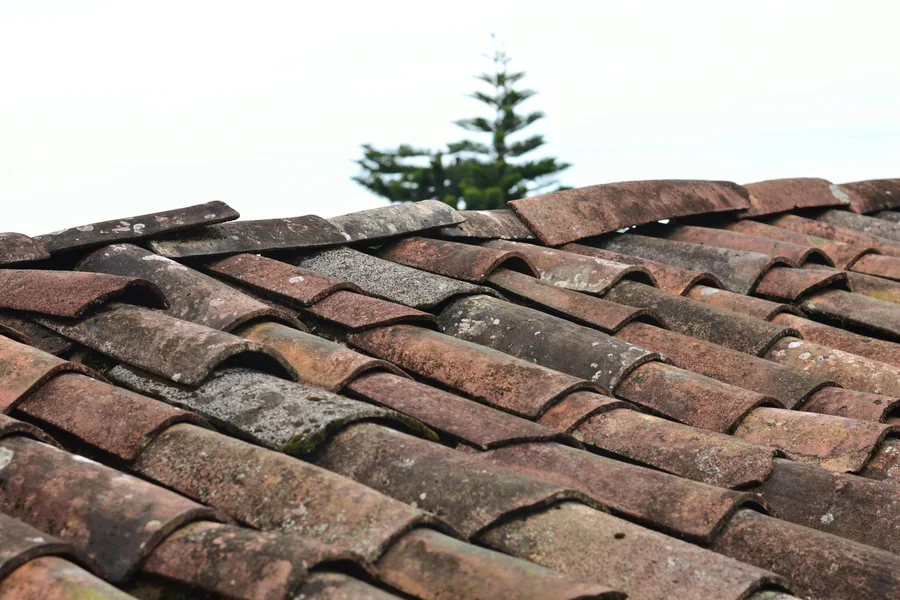
The roof – it is often where damage strikes first. Water stains, missing shingles and sagging edges should never be treated as cosmetic issues. Moisture can move quietly through insulation and attic spaces long before visible damage appears indoors. Because of that, homeowners should work with a reliable Huntsville roofer when repeated leaks or storm-related wear start becoming noticeable.
A roof does not need to collapse before concerns become serious. Sometimes the earliest clue is found in the gutter after rainfall. Granules from shingles may collect there in unusual amounts. Flashing near vents may begin separating. In older homes, sections of roofing can become brittle and weak without being obvious from the ground.
One example can be seen after a stretch of windy weather. A homeowner may notice one side of the yard covered with shingle fragments – while the ceiling inside still appears clean. Another situation may involve a faint attic odor caused by trapped moisture that has not reached living spaces. These signs deserve attention because hidden water intrusion spreads quickly once materials become saturated.
Roof inspections are often delayed because damage is assumed to be visible only after major storms. That assumption creates problems. Minor wear is easier to address when caught early and structural materials are less likely to be affected.
Walls And Floors Have Stories To Tell
Interior surfaces can reveal much more than appearance-related issues. Cracks, bubbling paint and uneven flooring often point toward moisture or foundation movement. Some signs remain small for months while pressure builds beneath the surface. Have certain doors started swinging open on their own? That shift could indicate movement beneath the structure.
Hairline cracks above windows are common in many homes and not every crack signals danger. What matters is growth and placement. Cracks that widen gradually or appear near corners deserve closer inspection. Floors that feel soft underfoot may indicate water damage beneath the surface. When repeated creaking develops in one area, the subfloor may already be weakening.
Walls affected by hidden leaks can become discolored in uneven patches. Paint may peel although humidity levels seem normal. In some cases, trim boards separate slightly from drywall because moisture has expanded nearby materials.
A neglected plumbing leak behind a bathroom wall can become expensive long before dripping water is heard. Mold growth may begin quietly while framing absorbs moisture. By the time odor becomes noticeable, larger repairs are often required.
Outside Clues Are Easy To Miss
Exterior damage tends to be dismissed because weather exposure is expected. Small changes outside still matter because they often point toward larger concerns inside the home.
Some warning signs worth watching include:
- Cracks forming along the driveway near the foundation
- Gutters pulling away from the roofline
- Soil erosion around the base of the house
- Peeling exterior paint in isolated patches
- Water pooling near walkways after rainfall
- Wooden trim that feels soft when touched
Foundation problems are frequently connected to drainage. When soil remains saturated for long periods, movement may begin beneath the structure. Small exterior cracks can become wider as pressure shifts. Have puddles started lingering near the same corner after every storm? That repeated pattern should not be ignored.
Wood rot also develops quietly. Exterior trim can appear intact while internal sections weaken beneath paint. Softness around windows or doors may signal trapped moisture that has been sitting there for quite some time.
Little Fixes Can Shape The Feel Of A Home
Small repairs influence more than protection. They also enhance the look and feel of your home in ways many people do not expect. Clean siding, level flooring and properly sealed windows create a sense of stability throughout the property. Damage that is left unattended often affects comfort before serious structural problems are noticed.
Drafts around windows may increase energy costs while making rooms feel uneven in temperature. Loose tiles in kitchens or bathrooms may allow moisture beneath the surface. Once trapped, water spreads underneath flooring, repairs become more invasive and expensive.
Homeowners sometimes focus only on visible beauty projects while maintenance issues remain hidden beneath fresh paint or updated décor. That approach can create frustration later because unresolved damage rarely stays contained. A newly renovated room may still develop stains or cracks if underlying problems were never corrected.
Attention to smaller concerns also supports long-term property value. Buyers tend to notice signs of neglect quickly. Uneven surfaces, moisture odors and damaged trim can affect confidence even when the home looks attractive overall. Consistent care sends a different message. It suggests the property has been monitored closely and maintained with thoughtfulness.
Damage around a home rarely appears all at once – it builds through overlooked details, repeated moisture exposure and gradual wear that becomes easier to recognize once habits of observation are developed. A ceiling stain, a warped board or a shifting crack may seem minor in isolation. Together, they can reveal deeper issues that deserve attention before repairs become overwhelming.
Homes respond well to consistent care because small problems are easier to manage while materials remain stable. Waiting for obvious failure often leads to larger expenses – and, of course, more disruption than expected. Careful observation, paired with timely action, helps preserve comfort and protects the structure itself.
The most valuable warning signs are often the quietest ones.