The Modern Homeowner’s Guide to Cutting Everyday Household Costs
Ever opened a bill and just stared at it… wondering how things got this expensive?
Not even big stuff. Just regular, everyday living. Lights, water, groceries, random things that somehow add up way too fast. One day, everything feels manageable. Next thing, it’s like the house itself is quietly draining money out of your wallet.
It’s frustrating. It’s tiring. And honestly, it can feel a little out of control.
But here’s the thing. Most of these costs? They’re not fixed. They just feel that way.
A few small shifts can make a real dent. Nothing fancy. Nothing unrealistic. Just practical changes that actually stick.
Let’s get into it.
Start With What’s Sneakily Draining Money
It’s rarely the obvious stuff.
No one forgets rent or a mortgage. That’s front and center. But the quiet drains? Those are the real problems.
Lights left on. Chargers are plugged in all day. That one room where the fan runs even when nobody’s there. It doesn’t feel like much in the moment. But over weeks? Months?
It stacks up.
And then there are appliances. Old fridge, a loud AC unit, or a washing machine that feels like it’s working overtime. Ever notice how some things just run longer than they should? Or how the electricity bill spikes and you can’t even explain why?
That’s usually the sign.
Start small.
- Walk through the house.
- Look at what’s running.
- What’s plugged in?
- What doesn’t need to be on?
It sounds basic. Almost too simple. But that’s the point.
The easy stuff gets ignored the most.
Solar Isn’t Just for “Fancy Homes” Anymore
There was a time when solar felt… out of reach.
Like something only big houses or tech people invested in. Something complicated, expensive, and maybe even risky.
That’s changed.
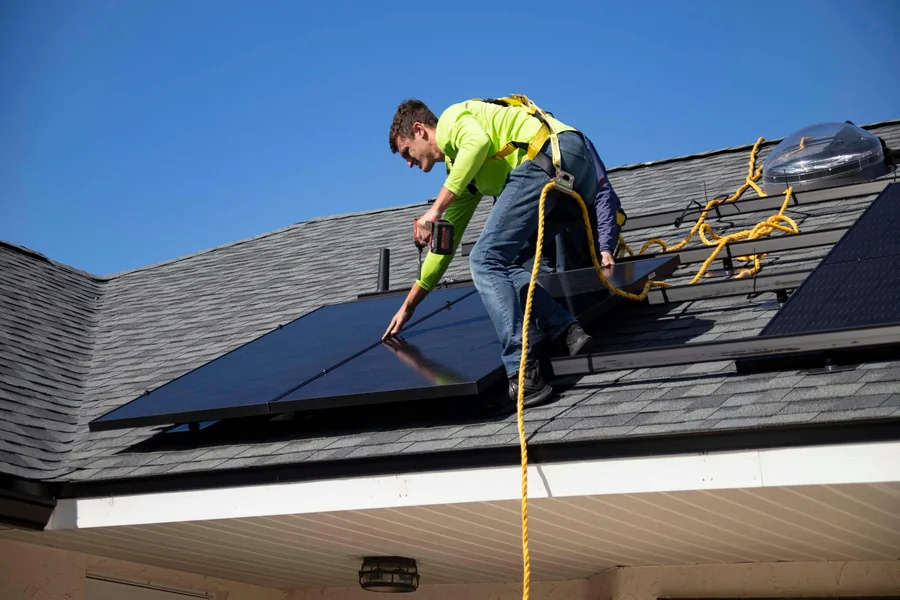
These days, home solar systems are showing up in regular neighborhoods. Not just big villas or new builds. Just normal homes trying to lower their bills.
And honestly? It makes sense.
Electricity costs aren’t going down because almost every year, there’s some increase. Some adjustment, or some excuse. Meanwhile, the sun? It’s just there. Every day, and without any bills attached.
Now, is solar free? No. There’s an upfront cost that can feel heavy. But over time, the savings start to balance things out.
And it’s not just about saving money. It’s about control.
Imagine not stressing every time you turn on the AC or not worrying about peak hours. Or those long summer days when everything seems to run at once.
Still feels like a big step? That’s fair.
But even looking into it, getting quotes, and understanding your options. That alone puts things into perspective.
Sometimes the biggest cost-saving move starts with just asking, “What if?”
Water Bills Add Up Faster Than You Think
Water feels cheap until it isn’t.
- That dripping tap? Easy to ignore.
- That long shower after a rough day? Feels deserved.
- Leaving the hose running while cleaning the car? Happens all the time.
But it adds up.
And it shows up quietly. One bill looks a bit higher than the next. Then suddenly it’s a pattern.
Leaks are the worst part. They don’t always scream for attention. Sometimes it’s just a slow, steady drip behind a wall. Or a toilet that keeps running longer than it should.
Fixing leaks is one of those things people put off. It’s annoying and takes time. Maybe even a bit of money upfront.
But ignoring it costs more. Always.
Grocery Spending Needs a Reality Check
This one hits hard.
Groceries used to feel manageable. Now? One quick trip somehow turns into a big bill. And half the stuff isn’t even planned.
Impulse buying is real.
Walking into a store hungry? That’s a mistake. No list? Even worse. Suddenly, there are snacks, drinks, things that looked good in the moment… but weren’t needed.
And then food gets wasted.
Leftovers sit in the fridge.
- Vegetables go bad.
- Bread gets forgotten.
It’s frustrating and feels like money just thrown away.
A simple fix? Plan a little.
Not perfect planning. Just enough.
Know what meals are coming for the week. Buy what’s needed. Stick close to the list. Not strictly… but close enough.
Also, check what’s already at home. That part gets skipped all the time.
How many times has something been bought twice… just because it wasn’t checked?
Exactly.
Small changes here can save a surprising amount.
Stop Paying for Things That Aren’t Used
Subscriptions are sneaky.
- One streaming service (and then another one).
- Music.
- Cloud storage.
- Maybe a gym membership that hasn’t been used in months.
Individually, they don’t seem like much.
But together?
It builds up.
And most of it runs on autopilot. Charges happen quietly. No reminder. No warning. Just gone.
Take a few minutes and go through the list.
What’s actually being used? What’s just sitting there?
Canceling something might feel like losing a convenience. But most of the time? It’s barely noticeable after a week.
Comfort Doesn’t Have to Cost This Much
No one wants to sit in a hot room trying to save money or freeze just to cut costs. That’s not realistic.
But comfort doesn’t have to mean waste.
- Fans instead of AC when possible.
- Curtains to block heat during the day.
- Opening windows in the evening instead of running everything nonstop.
It’s about balance.
Even small adjustments help.
Setting the thermostat just a little higher in summer or a little lower in winter. Doesn’t feel like a big deal. But over time? It shows on the bill.
And lighting?
Switching to energy-efficient bulbs makes a difference as they last longer.
It’s Not About Doing Everything Perfectly
Trying to fix everything at once? That doesn’t work.
- It gets overwhelming.
- Feels like too much effort.
- And then nothing sticks.
Better approach? One thing at a time.
- Fix a leak this week.
- Cut one subscription next week.
- Pay attention to electricity use the week after.
There’s no perfect system. No single trick that solves everything overnight.
But steady effort? That always works.