What Most Backyard Chicken Owners Regret About Their First Coop
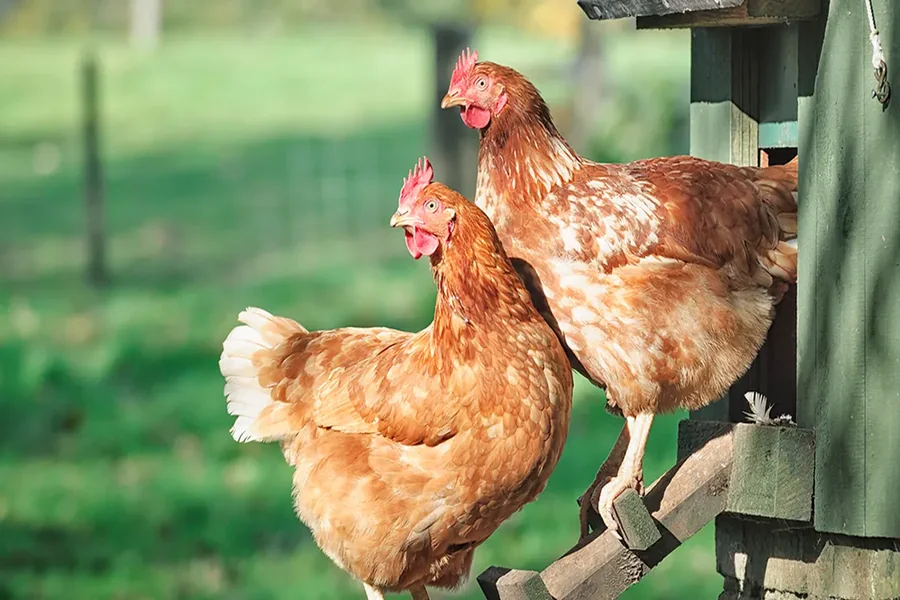
When you get the first flock home, any coop will look good. What can look flawless in a picture can cause issues in a few months of regular use. Frustrations include tight spaces, difficult space cleaning routines, poor ventilation, and limited room for flock growth. Most chicken fanciers figure these things out on their own rather than through studying them.
That is why the first coop purchase becomes a source of regret for some flock owners. A well-planned chicken coop should make daily care easier while keeping birds comfortable and secure. Looking at the mistakes people wish they had avoided can help new owners make smarter decisions from the start.
A Coop That Becomes Too Small Too Quickly
A frequent source of regret revolves around size. While the coop may be big enough to accommodate four or five birds, flock sizes do not stay consistent for very long. New breeding plans require more birds, or the chicken keeper simply decides to have more birds. The result is a cramped space where the birds are competing for roosting places and nesting spaces.
Limited Access Makes Cleaning Frustrating
Cleaning the coop may sound like an easy task, but once the person has to go inside the coop with tools and bedding through the small door, he understands that it is not an easy job. Many people who have just purchased their first coop become too concerned about its aesthetic appeal and ignore its convenience factor. The design of the coop should be such that cleaning becomes easier as time passes due to the accumulation of litter.
Read more: The Story Behind the MGK Lost Americana Jacket
Poor Ventilation Creates Year-Round Problems
Ventilation often gets overlooked when considering coop comparisons. New owners pay much attention to weather resistance but ignore the necessity of good airflow. Moisture, dust, and smell tend to gather rapidly in enclosed structures. When the weather is hot, bad airflow makes it stuffy inside the coop. When it’s cold, it traps moisture inside. Ventilation is necessary for keeping your coop healthier. The coop needs to provide protection from the elements but retain airflow at all times.
Nesting Boxes Are Not Always Adequate
There may be sufficient nesting boxes on the plan, but there could still be challenges in practical application. Sometimes, nesting boxes are located in an uncomfortable place, or they are hard to reach in a coop. Chickens like to lay their eggs where it is quiet and comfortable. When the environment is unsuitable, eggs cannot be easily collected. At times, the owners find eggs stashed in the corners of the coop.
Predator Protection Gets Underestimated
While a coop might seem strong in the light of day, predators can quickly reveal any flaws in the structure. From raccoons to foxes and other animals, some predators can discover the vulnerabilities in a coop, things the coop owner might have never even thought about. Poor construction and weak hardware lead to unnecessary vulnerability. Many backyard chicken owners say they should have focused more on security sooner.
Roost Space Receives Less Attention Than It Should
While this is the case, chickens do not spend their nights on their roosts, and this aspect is not as commonly addressed as nesting boxes. The number of birds per square metre of roost may cause discomfort and crowding. When suitable perches are not available some birds may come to sleep on the floor. A well built coop will allow adequate space for roosting, for each bird. The placement of the product is also important. Chicken-friendly roost provides comfort and enhances chickens settling in at the end of the day.
Design Choices Fail to Support Daily Routines
A coop can look impressive without actually being practical. Feed storage may sit too far away. Water stations may be difficult to reach. Egg collection might require extra effort every day. These small inconveniences add up over time. Experienced chicken owners frequently value functionality more than appearance. A thoughtfully designed chicken coop supports everyday tasks and reduces unnecessary work. Convenience becomes increasingly important as flock responsibilities grow.
Steps to Buy a Better Chicken Coop the Second Time Around
- Consider space based on number of birds expected over the next few years, rather than merely the number of birds today.
- Measure the space you have in your backyard before you compare different coops.
- Think about ventilation, roosting space and size of nesting box before appearance.
- Look for the ability to remove the bedding and for easy tasks to clean.
- Look for predator-proof equipment, reinforced doors and latches.
- Compare the durability of materials for building in various weather conditions.
- Choose a strategy to get an extra space for the chickens, but not a new coop.
- Look at the long-term owner reviews of chickens for the positive and negative aspects that are not showcased in pictures.
The majority of people that raise chickens in their backyards do not have regrets. They don’t like the coop they chose which turned out to be too small for their needs. Little design problems can become big if they begin to occur after months of daily use. The typical issues are typically space restrictions, difficult maintenance, inadequate ventilation, and inadequate construction. These lessons can help new flock owners not fall into these costly traps. A well-chosen coop will keep your birds healthy, and make life easier for you, as well as fun.