The History of Vinyl Records and Why They Never Truly Disappeared
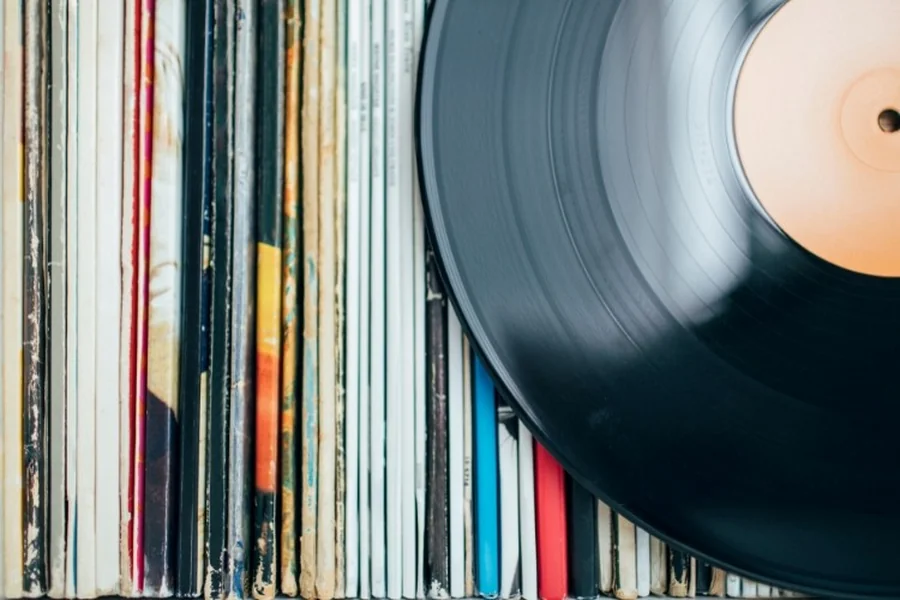
The use of vinyl records has been one of the best-known music formats during decades. Although new technologies have changed the manner in which people would tune to listen to their favorite artists, records have remained relevant and have had their share of listeners who would enjoy playing an album in a sequence to the end.
Vinyl has succeeded in appealing to new audiences many times, unlike other formats that have become part of the past. The older collectors enjoy nostalgia of records they were used to. Simultaneously, the younger generations have adopted vinyl as the means of engaging with the music more purposefully and and significantly.
History of the vinyl is a history of innovations, tastes, and cultural manners. Knowing the progression of records assist in answering the question of why they still have a special place in the homes, record shops, and music collection of people all over the world.
The Early Years of Vinyl Records
Vinyl had a history that goes as far back as the middle of the twentieth century when record producers initiated the use of vinyl in place of the previous shellac records. The new material was more durable, lightweight and was able to provide the quality of sound.
With the introduction of the record players as household goods, it did not take long before vinyl became the new favorite method of listening to music in one’s house. As releases of albums gave performers the chance to bring out whole records of songs as opposed to purchasing songs separately, albums allowed artists to produce records that conveys a narrative in its entirety.
Over the next decades, vinyl was closely associated with musical trends in the realms of rock, jazz, soul, blues, classical music and various other genres. Album artwork was also made a significant part of an audio experience, where record sleeves became collectible, pieces of design which defined an artist.
Why Did Vinyl Dominate the Music Industry?
Vinyl records had been the conventional method of the music lover over many years. Record stores multiplied, performers were willing to release new records and being a music collector became a fashionable pastime.
Several factors contributed to vinyl’s popularity:
- Albums offered excellent sound quality for home listening.
- Large record sleeves showcased memorable artwork.
- Records encouraged listeners to experience albums as complete works.
- Physical collections reflected personal taste and musical interests.
- Browsing record shops became part of discovering new artists.
An emotional connection was also enhanced by owning music. Rather than browsing hundreds of songs, listeners continually picked albums that were added to memorable moments and milestones.
The Rise of New Formats
Throughout the 1980-1990s an increasing number of listeners phased out of vinyl in favor of cassettes and compact discs. CDs were shorter, more convenient to carry and they also enabled individuals to skip through songs. With the advent of digital downloads and streaming services, physical music sales went further into a downward spiral.
During the time, it was thought that vinyl was going to be lost entirely. The record players were also being less popular and many pressing plants were shrinking or even closed.
These changes did not see the disappearance of vinyl. During the period in which the format died rest of the music genre had its dedicated collectors, independent music stores were devoted to the format and artists still released special editions to their more loyal fans. This sustained usage kept the vinyl alive until there started to be renewed interest.
Why Vinyl Made a Remarkable Comeback
Not the nostalgia alone helped vinyl to come back. Most individuals found out that records had a few opportunities that digital platforms did not have in miscellany generating a slower and more positive experience of listening to music.
When one hears a record he/she cultivates an interest in the album. When you put the record on the turntable, read the liner notes and go through one side to the other, it can seem more purposeful than clicking through playlists.
Vinyl releases also have the beauty in their artistry (to collectors). Minimal editions, coloured pressings, gatefold sleeves and a well-thought-out packaging all adds to the attraction.
For those looking to expand their collection with upcoming releases, retailers such as Evergreen Vinyl offer pre-order options that allow collectors to secure new pressings before they become widely available. This reflects how vinyl collecting continues to evolve while maintaining its traditional appeal.
What Keeps Vinyl Relevant Today?
Nowadays, music fans have a wider variety of possibilities to listen than ever before, but they still find vinyl popular with not only long time enthusiasts but new individuals as well.
There are a number of reasons why it became so popular:
A More Intentional Listening Experience
It takes time and attention to play a record. Some listeners are content to turn the volume down and take time to listen to an album without the immediate distractions and interminable switching between tunes.
Beautiful Album Artwork
Vinyl sleeves provide artists with space to display photography, illustration, lyrics and imaginative designing which normally become an amusing aspect as much as its music itself.
Collectability
Records have become a fun pastime of fans of nearly all music genres due to special editions, anniversary editions, and coloured vinyl.
Supporting Artists
Purchasing hardcopy albums is still an avenue through which fans can give back directly to musicians whilst getting something substantial in return.
A Connection Across Generations
Parents may share music with their children from the music they enjoyed in their own youth, and thus establish musical experiences that last for decades. Meanwhile, older listeners are listening to older music for the first time, keeping the classics alive.
Starting Your Own Vinyl Collection
It doesn’t take a rare record or a fancy collection box to start a vinyl collection. When new collectors begin collecting, they often begin with the albums they already love and enjoy before branching out to other artists and artists in other genres.
A few simple tips can help you build a collection you’ll appreciate for years:
- Buy albums you’ll genuinely listen to rather than chasing rarity.
- Store records upright to help protect them.
- Keep records clean before and after playing them.
- Invest in a quality turntable that suits your budget.
- Explore both classic albums and new releases.
The key to collecting is to have fun with it, not compete with others. Each collection is unique as it is based on the owner’s personal taste.
Final Thoughts
There is more to vinyl records than simply convenience; that is why they have stood the test of time. They’re pushing people to listen to music more responsibly and are honoring the artistry of each album.
Streaming has changed the way that many people find music but records offer a personal, memorable, rewarding experience. In the past, some of them have survived not because they’re the latest, but because it has something that people actually care about.
From rediscovering albums you’ve been enjoying for years, to purchasing your first record, vinyl is a timeless reminder that music is about more than just playing a record.