How Digital Embroidery Supports the Slow Fashion Movement
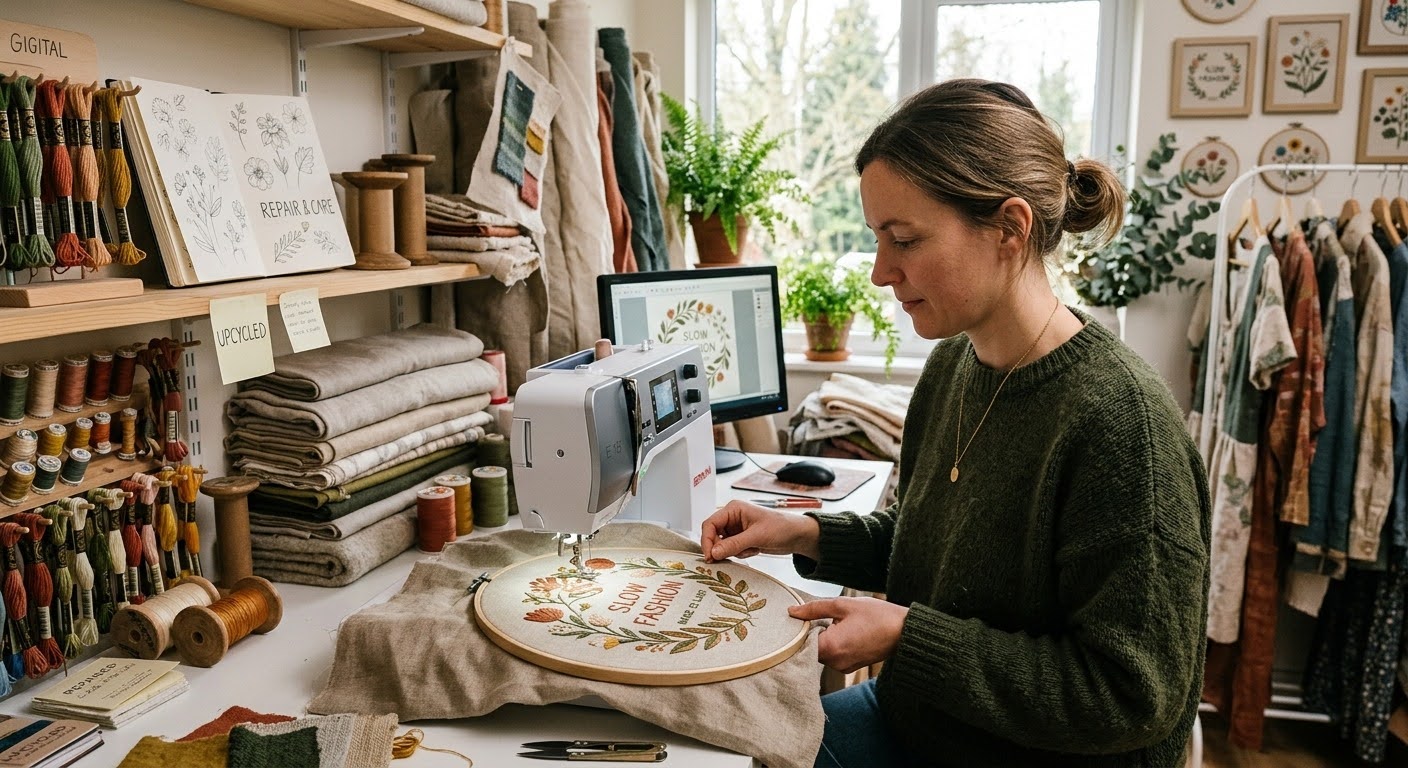
Low cost, easy access and fashion at speed led to people changing their attitudes to fashion wear. People are now looking for pieces that are more durable and have a personal touch, and are being crafted with greater attention to detail. Slow fashion is where it comes in.
Slow fashion is about investing in a piece rather than opting for the fastest of fashion. It’s about design, more materials, less waste, and not disposable clothes. This idea dovetails perfectly with digital embroidery, as digital embroidery allows them to turn a simple garment into something that has purpose and meaning, and will last a lifetime.
For designers, makers, and small brands, tools like Legacy Digitizing Software make To embroider more accurate designs. Digital embroidery offers the ability to create unique designs, add detail and personality to each piece, and avoid the need for mass production.
What Is Slow Fashion?
Slow fashion is the opposite of rushing clothes from trend to trash. It encourages people to buy less, choose better, and care more about how clothing is made.
A slow fashion approach often includes:
- Durable fabrics
- Timeless designs
- Ethical production
- Small-batch collections
- Repairing and reusing clothing
- Personal style instead of trend chasing
It does not mean fashion has to be boring or expensive. It simply means clothing should have more purpose. A well-made jacket, shirt, or bag can stay in someone’s closet for years when it is designed with care.
Why Digital Embroidery Fits So Well
Digital embroidery involves converting artwork, logos, patterns or lettering to create software that is then read by embroidery machines. This will be more accurate and repeatable, but still leave scope for creativity.
Embroidered designs will not crack or fade as printed designs can. That makes it textured, strong and high quality in appearance. If done properly, embroidery can make a piece of clothing special rather than mass produced.
It Adds Value to Simple Clothing
If you have a plain cotton shirt, it can feel very plain. Now add a little embroidery to the collar, the sleeve or the chest of your shirt and it’s now more personal.
Denim jackets, Tote bags, hats, aprons, baby clothes and home textiles are no exception. Digital embroidery can be used to create a sense of a memory or an eye-catching piece for everyday use.
This promotes slow fashion as one is more inclined to hang on to unique clothing. If something means something it is not so easy to forget it, and it is less likely to be discarded in the back of a closet.
Read more: Gold Sequin Dress Style Guide for Glamorous Events
It Helps Small Brands Create Unique Pieces
It is difficult for many small fashion brands to afford producing a large number of items. They can increase their collection sizes with digital embroidery without compromising quality.
A maker can experiment with a design, create some trial pieces, and refine the artwork before creating additional pieces. This will help to minimize waste and prevent hundreds of products that may not be sold.
Another unique advantage of small batch embroidery is the opportunity it provides to customers to have something that is not available in large-scale stores. That’s one of the reasons why slow fashion shoppers are drawn towards it.
Less Waste, More Intention
Overexploitation is one of the biggest problems of “fast fashion”. Brands overwhelm the market, trends go out of fashion and unsold items are sold at a reduced price or wasted through dumping and destruction.
Digital embroidery allows for a more precise approach to embroidery.
Made-to-Order Options
Embroidery Digitizing can give brands the option of made to order products. This is because the item is not decorated until it is selected.
That reduces guesswork. The brand can maintain stock of unfinished garments and customize them according to the demand of the client.The brand can store raw materials and tailors the outfit to the customer’s preferences instead of stocking finished items.
This approach works especially well for:
- Custom jackets
- Personalized gifts
- Team apparel
- Boutique clothing
- Branded workwear
- Embroidered accessories
It also makes the customer feel involved in the design process, which can make the final product more meaningful.
Repair and Refresh Instead of Replace
Another way that embroidery can help extend the life of old clothes is by creating a new look. Dress stains, small hole or worn areas don’t necessarily indicate the end of a garment’s usefulness.
Damage can be covered up with a patch, floral design, monogram or decorative stitch to make the item look fresh again. This is one of the most functional ways of supporting slow fashion thru embroidery.
People don’t end up discarding something when they can fix it creatively. This not only saves money, it also prevents clothes from entering the garbage.
Personalization Makes Clothing Last Longer
Persons tend to hold on to custom-made products for a longer time than generic products. A hoodie that’s customized with a name, a jacket that’s customized with a design or a design on a bag or a meaningful symbol on a tote bag has more emotional value.
But digital embroidery makes this easier by allowing you to change the name, colors, size and placement of the design.
Clothing With a Story
Slow fashion is more than just about fabrics & stitching. It’s also the tale of what went into the piece.
Perhaps the embroidery portrays a family surname, a favorite flower, hometown or some little symbol that has special significance for the wearer. All these elements add to the clothes’ sense of reality.
That connection matters. If they own something, they’ll take care of it.
Better Quality Through Better Design
Look simple from outside, but the results begin when working with smart digitizing. The design needs to be laid out properly to ensure that the stitches will lay flat on the fabric.
There are different embroidery settings for a thick sweatshirt, a soft baby blanket and a structured hat. Poor digitizing may cause puckers, thread breaks, messy edges and/or stiff designs.
Good digital embroidery considers:
- Fabric type
- Stitch direction
- Thread density
- Design size
- Underlay stitches
- Machine speed
- Final use of the garment
This attention to detail supports slow fashion because quality matters. A design that looks clean and holds up through washing gives the garment a longer life.
Digital Tools Still Need Human Taste
Digital embroidery is more than just button pushing. Software is helpful but that doesn’t replace the need for a design sense.
The colour, positioning, spacing and scale are all important. A neat embroidery detail can be a very elegant addition when it’s done right. If the design is too big, too crowded or sewn in the wrong place, the look can be unflattering.
It’s these human elements that make slow fashion so special. It’s technology that helps with the precision, and creativity that brings the piece to life.
Ideas for Using Embroidery in Slow Fashion
Digital embroidery can be used in many thoughtful ways. It does not always need to be bold or complicated.
Here are a few ideas:
- Add initials to linen shirts or robes
- Stitch small floral designs on collars or cuffs
- Create patches for denim jackets
- Personalize tote bags instead of using disposable bags
- Add branding to handmade clothing labels
- Cover small flaws with decorative stitching
- Create limited-edition designs for small collections
Simple details can make a big difference when they are done with care.
Conclusion
Because both Digital embroidery and Slow fashion emphasize quality, creativity and intent, they are an ideal match. Embroidery makes garments more permanent than temporary, rather than garments.
Digital Embroidery is an opportunity for small brands, makers and designers to pursue custom work, smaller production runs and using their materials better. For shoppers it brings life to the clothes they’re wearing.
A properly stitched design can slow down this world of rapid fashions in the best possible manner. Clothing can be useful, beautiful, and can last, as it reminds us.
FAQ
How does digital embroidery support slow fashion?
Digital embroidery supports slow fashion by making clothing more personal, durable, and valuable. It also helps brands create small-batch or made-to-order items, which can reduce waste.
Is embroidered clothing more sustainable?
It can be, especially when embroidery is used on quality garments that are made to last. Embroidery can also repair or refresh older clothing, which helps reduce the need to buy new items.
Can small fashion brands use digital embroidery?
Yes. Digital embroidery is a great option for small brands because it allows them to create custom designs, limited collections, and personalized products without large production runs.
Does embroidery last longer than printed designs?
In many cases, yes. Embroidery is stitched into the fabric, so it does not peel or crack like some printed designs. With proper care, embroidered details can last for years.
What types of clothing work well with embroidery?
Embroidery works well on shirts, jackets, hats, tote bags, aprons, denim, sweatshirts, baby items, and many home textiles. The best results depend on using the right design and stitch settings for the fabric.