How to Make a QR Code for a Restaurant Loyalty Program
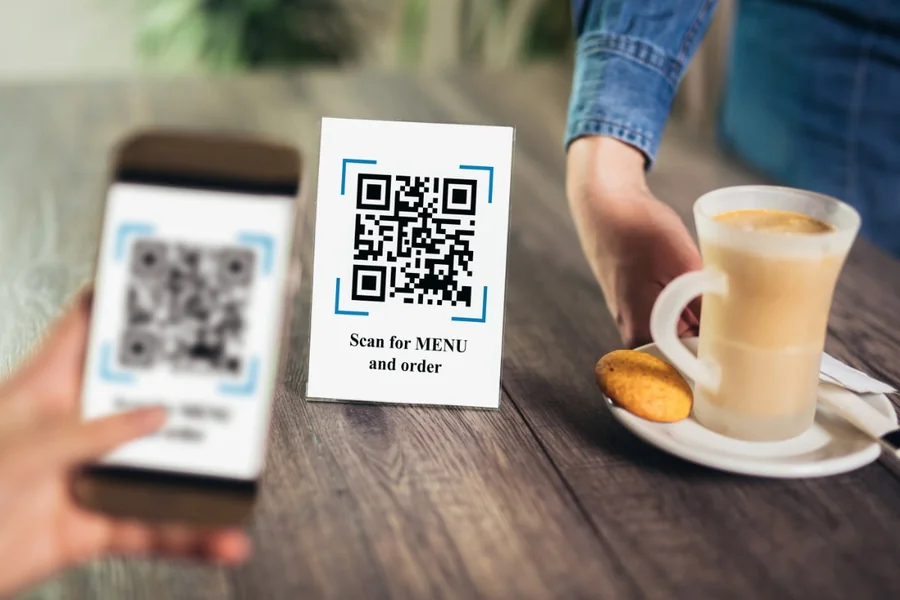
NY Loyalty programs have an image issue. Due to various reasons most customers either have at one time registered one and lost the physical punch card or have forgotten that the app exists or may just have found the entire process too cumbersome to continue with on a regular basis. Loyalty programs is a valid idea. Its implementation by most businesses has been cumbersome.
Much of this has been silently remedied by QR codes. A loyalty program based on a mere scan eliminates the necessity of having a physical card, downloading a specific application, or a complex registration form. This is to construct one that the customers will go as far as using.
Why QR Codes Fit Loyalty Programs So Well
The main issue with the conventional loyalty schemes is the point friction at each stage. Registration is done by filling a form. The visits can be tracked by remembering to carry a card or open an app. To redeem rewards staff have to go through and check eligibility manually. All these steps are points of disengagement of a customer.
A QR code loyalty program embraces most of these processes in a single scan. As the customer makes a purchase, they scan a code which can both enroll a customer who is new, record their visit in case of an already enrolled customer and also make an update of their current progress towards being rewarded without any app download or physical card being necessary. Their loyalty card is the phone that they already have in their pocket.
Step by Step: Setting Up a QR Code Loyalty Program
Step 1: Decide on your reward structure. In the process of touching any technology, clarify on what the customers are actually working towards. The simplest type of punch-card-style structure is the free item on the tenth visit, which is the simplest to inform and monitor. A points-based system is more flexible but needs communication to be more transparent so that the customers can know how the points can be converted to the rewards.
Step 2: Choose how enrollment and tracking will work technically. Other restaurants have a specialized loyalty platform, where enrollment, tracking, and redemption are all available within a single platform, the entry point being the QR code. Others create something simpler based on a QR code connected to a sign-up form connected to an existing customer database, visit tracking is done through a points system based upon the customer profile.
Step 3: Generate your enrollment QR code. This code ought to be connected to where new customers sign-up, be it a rudimentary form with just a name and phone number or an elaborate profile where your rewarding program demands it. Make this sign-up step as brief as possible. Each one of the additional fields you request, lowers the amount of individuals entering into enrollment.
Step 4: Decide whether you need a separate code for tracking visits versus enrolling new members. Other systems consist of one code that skillfully manages new enrolment and returning visit tracking, based on whether the scanning device has been in communication with the program before. Other people have two different codes one with a clear indication of a first-time customer and one a repeat member logs a visit.
Step 5: Choose a platform that supports dynamic codes. Loyalty programs evolve. You could modify the reward system, the sign-up form or alternate the platform that tracks things in the background. An active code allows you to update the destination address behind the printed one without having to change the material on your tables, counters, or receipt.
Step 6: Design the code to feel like part of your brand. The code of your loyalty program must appear appealing and aligned with your visual identity of the restaurant as it is basically requesting a customer to enter a relationship with a restaurant as opposed to a one-off affair. It will feel like an extension of your brand because of custom colors and a logo imprinted in the code that allows it not to look like a generic technical aspect.
Step 7: Place the code where it makes sense within the customer journey. Close to the register, on receipts, on table tents or a thank-you email after a visit are all viable placements. The correct option would be based on whether you desire enrollment to occur or not only on the visit but also within a short period of time.
Making the Program Easy to Use Repeatedly
What a QR code loyalty program should be tested about is not the first sign-up, but the usage thereafter. Some practices are more probable to be recidivata.
Make the scan-to-track speedy. When it requires a couple of seconds to log a visit, a few customers will not bother to do it on a busy day since they are already in a hurry even though, they may want to participate in the program in general.
Display conspicuous feedback on progress. When customers can easily view their progress toward the next reward, be it an eventual reward message after every scan or the dashboard that they can view at their convenience on their own phone, the customers are further encouraged to continue participating.
Send regular posters to the customer who has not been to the business in a long time. Those that have a loyalty system that captures contact detail can re-introduce customers who have not been back recently through a short friendly text, especially when accompanied by a little bonus being earned based on the current level of achievement.
Choosing the Right Platform for the Underlying Codes
For generating the actual QR codes your loyalty program relies on, whether for enrollment, visit tracking, or reward redemption, the convert link into qrcode tool from QR Tiger gives restaurants the flexibility and design control needed to make the codes feel like a polished part of the overall program rather than an afterthought.
Dynamic functionality is especially useful in this case, as the details of the loyalty programs change sooner than the majority of restaurants might initially anticipate. Such a reward limit could be added or changed, the sign-up page may change, or a temporary promotional surge on new sign-ups during a low-traffic season could be considered. Refreshing the destination of an already printed code Re-designing and re-printing of table materials is unnecessary to upgrade the program as your strategy is upgraded.
The design editor also enables the coding to be styled uniform with your restaurants branding, a consideration with a loyalty program in particular because appearance consistency strengthens the impression that this is not a one-off promotion with a disjointed brand, but instead an ongoing relationship with your particular brand.
Scan volume analytics gives you an idea of what is actually taking place with your code on the loyalty program, as to whether the engagement rate is what you expect, so depending on that information will give you a better read on where to place the codes (or whether the sign-up process will require simplification), or whether the reward structure itself will need to be adjusted to be more compelling.
Measuring Whether the Program Is Working
Only a loyalty program that does indeed alter customer behavior in improving the frequency of a visit or average spend amongst participants relative to non-participants of the program is worthwhile. Monitor simple statistics over time such as enrollment, percentage of enrolled customers that come back to the tracked visit, and the frequency with which the rewards get redeemed.
When enrolled numbers are high and repeat visits are poor, then the problem is probably to be the reward system or visit tracking procedures are overly complicated. Poor enrollment could be that enrollment as a concept is weak, or the sign-up process could be requesting excessive data or the code might not be at the right place at the appropriate time in the customer experience.
A loyal QR code program eliminates the bulk of the pain that has traditionally created these programs infuriating to customers and business to sustain. It all depends on getting the structure and technology right at the start by which a program can become truly motivating in generating repeat business, or it can silently slip into the background once the initial wave of sign-ups are accomplished.