What Conscious Beauty Brands Should Know Before Launching Hair Oil for Textured Hair
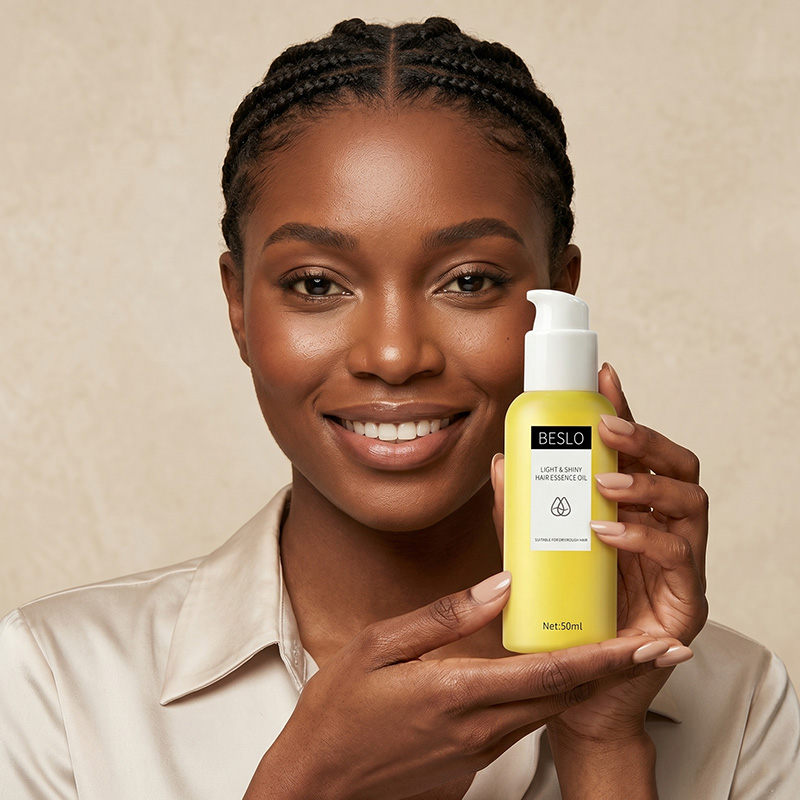
A hair oil can look beautiful in a bottle and still disappoint customers if it feels greasy, weighs down curls, irritates the scalp, or makes claims the formula cannot support. For a conscious beauty brand, that gap between promise and experience shapes trust, repeat purchases, and word of mouth.
Trend ingredients get a lot of attention right now: rosemary oil, castor oil, baobab, marula. But an ingredient alone does not make a good product. Before launching a hair oil for textured or Black hair care customers, a few decisions are worth slowing down for: who the customer is, how the oil should feel, what claims are fair, how it should be packaged, and who will help bring it to life.
Textured Hair Is Not One Product Category
It’s tempting to treat “textured hair” or “Black hair care” as a single audience with one set of needs. In practice, that’s rarely true. Curl patterns range from loose waves to tight coils, and porosity varies widely even within the same curl type. High-porosity hair may absorb or lose the feel of oil quickly, while low-porosity hair can feel coated with the same amount.
Some customers want scalp comfort, especially those dealing with dryness or flaking. Others want shine, a sealing oil for wash day, or something light enough for daily use. Protective styles — braids, locs, twists — often call for different product behavior than loose, daily-worn curls. None of this means a brand needs a dozen products at launch. It means the brief needs to be honest about who the first product is really for.
The Product Brief Matters More Than the Hero Ingredient
Many brands start with the ingredient story: an oil sourced from a specific region, a botanical with a compelling backstory. That’s a reasonable starting point for marketing, but it shouldn’t be the starting point for formulation. The product brief matters more than people think.
A useful brief answers a few plain questions first: who the target customer is, what use case is being solved for, what finish the oil should have, whether it’s scalp- or strand-focused, and whether it should feel light or rich. It should account for the customer’s existing routine and expected packaging. Once those answers exist, ingredients become supporting decisions rather than the whole plan.
A Good Hair Oil Has to Feel Right in Real Routines
Formula feel is where promising products often lose customers. A rich, heavier oil might feel protective to someone with coarse, high-porosity hair, and greasy to someone with finer strands. A lightweight oil might suit daily use but disappoint a customer wanting a richer finish after wash day.
Texture matters as much as the ingredient list. Does the oil layer well under a leave-in or gel, hold up through twist-outs, or transfer onto pillowcases? Even small details, like whether the bottle allows a controlled pour instead of an accidental flood, shape whether a customer reaches for the product again.
Claims Need to Be Clear and Responsible
This is where trust is built or lost. It’s easy to reach for big promises — guaranteed growth, stops hair loss, repairs all damage, works for every curl type — but most hair oil formulas cannot support claims like these without strong testing and substantiation, and making them anyway puts credibility at risk.
More responsible claims focus on what an oil can plausibly do: adding shine, softening strands, smoothing the hair’s surface, sealing in moisture, supporting scalp comfort, improving manageability, or reducing the look of dryness. These are still meaningful benefits, just claims a formula can actually stand behind.
Packaging Is Part of the Product Experience
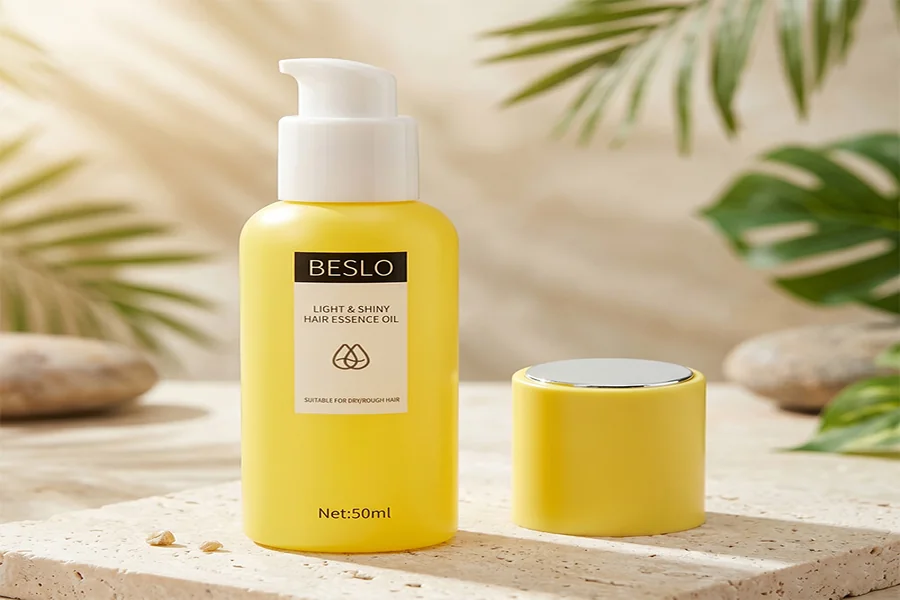
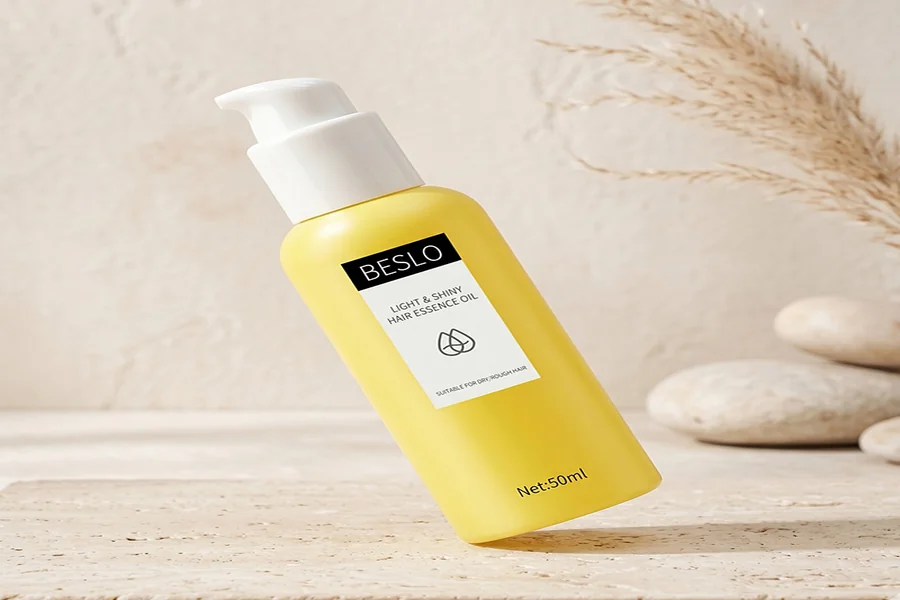
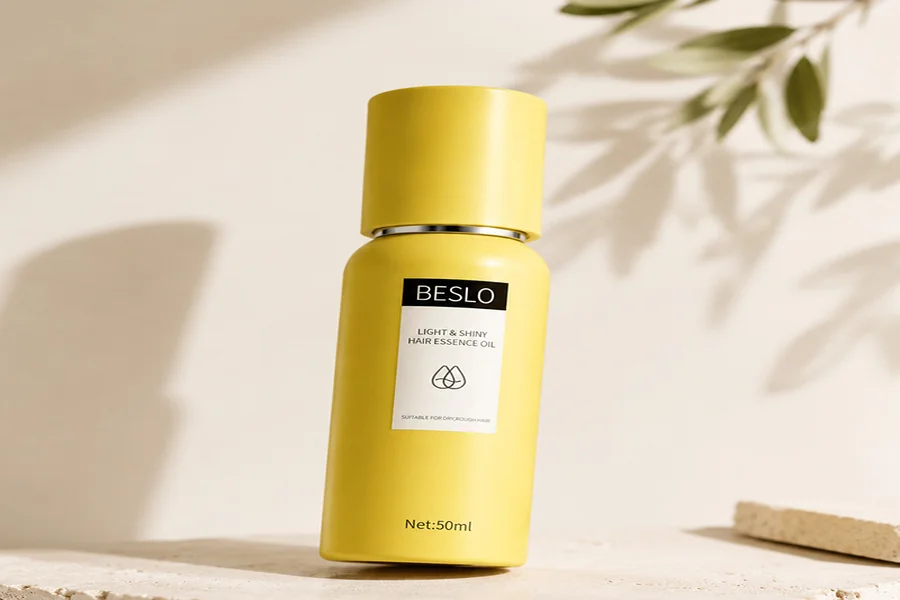
For a conscious beauty audience, packaging isn’t an afterthought. It’s part of how the product is judged. A dropper offers precision for scalp-focused oils, while a pump often suits daily, strand-focused use. Nozzle openings affect how much product comes out, which matters for avoiding waste.
Bottle size should match how the product is actually used. A large bottle for a rich, sparingly used oil can sit half-full for a year. Leakage control, recyclability, and refill or reduced-waste options, where feasible, speak to a sustainability-minded reader — as does label clarity, since an easy-to-read ingredient list builds more goodwill than a vague one.
The Manufacturing Partner Shapes More Than Production
Choosing who actually makes the product goes beyond finding a factory. Working with a Private Label Hair Oil manufacturer can help a brand move from ingredient idea to sampling, filling, packaging, and production, but the product brief still needs to be clear before that process begins.
A good manufacturing partner can support formula development based on the brief, produce samples for testing, advise on packaging compatibility, and flag label or compliance considerations early. They can also help maintain consistency between batches, which matters once real customers expect a product to feel the same bottle after bottle. None of this guarantees market success — that still depends on the brand’s own research and positioning — but a capable partner removes avoidable friction along the way.
What Brands Should Decide Before Sampling
- Who the oil is for
- What routine moment it supports
- How rich or lightweight it should feel
- What claims can be supported responsibly
- What packaging best fits the use case
- How the formula will be tested across different textures, porosity levels, and routines before launch
Final Thoughts
A strong hair oil for textured hair starts with customer understanding, not only ingredient trends. Formula feel, claims, packaging, and testing all shape whether a product earns a place in someone’s routine — or gets pushed to the back of a shelf after one use.
That may sound simple, but it’s easy to skip in the excitement of launching something new. Before choosing samples or production partners, it’s worth writing an honest product brief. It tends to save time, money, and a fair amount of trial and error later on.