How to Build a Strong and Reliable Emergency Fund
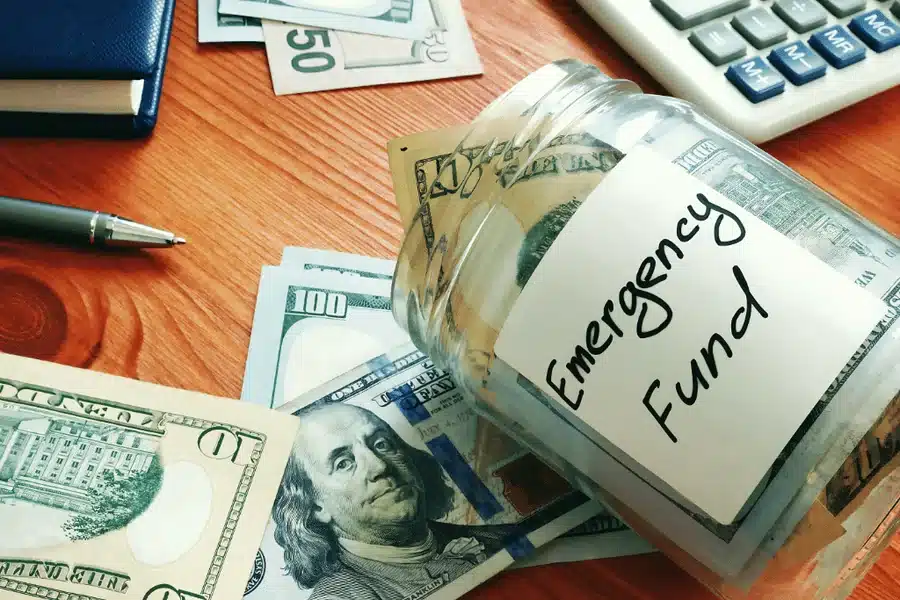
Life is full of surprises. Sometimes those surprises come in the form of unexpected bills—like a sudden car repair, a medical emergency, or even a job loss. Having a solid emergency fund can be the difference between weathering these challenges smoothly or spiraling into financial stress.
If you’re facing financial pressure and wondering how to start, resources like debt relief programs in Nebraska can offer guidance and support. But alongside managing debt, creating a separate emergency fund is a crucial step toward true financial stability.
Let’s talk about what an emergency fund really is, why it matters, and how you can build one that stands strong through life’s ups and downs.
What Is an Emergency Fund?
An emergency fund is money you set aside specifically for unexpected expenses. It’s different from your regular savings or daily spending money. The idea is to have a stash that you don’t touch unless something urgent comes up.
This fund acts like a financial safety net. When your car breaks down or a medical bill arrives out of nowhere, you can pull from your emergency fund instead of relying on credit cards or loans. That’s huge because it keeps you from getting stuck in a cycle of debt.
Why Keep Your Emergency Fund Separate?
Mixing your emergency fund with your day-to-day cash makes it easy to dip into that money for everyday expenses. When that happens, the fund isn’t available when you truly need it.
Keeping it in a separate account helps you resist the temptation to spend. It also makes it easier to see your progress as your emergency fund grows. Many people use a high-yield savings account or a money market account for this purpose because these options offer easy access without penalties and often better interest rates than regular checking accounts.
How Much Should You Save?
Experts usually recommend saving enough to cover three to six months of living expenses. That means everything from rent or mortgage payments to groceries, utilities, transportation, and any debt payments you have.
But the amount depends on your personal situation. If your income is unstable or you have dependents relying on you, aim for the higher end of that range. If you have a steady job and fewer expenses, three months might be a comfortable start.
If that sounds daunting, remember: even a small emergency fund can help you avoid financial stress and debt. Starting with $500 or $1,000 is better than nothing, and you can build up from there.
Practical Steps to Build Your Emergency Fund
Building an emergency fund doesn’t have to be overwhelming. Here are some ways to make it manageable:
- Automate Your Savings: Set up automatic transfers from your checking to your emergency fund. This way, you save without thinking about it, and your fund grows steadily.
- Use Windfalls Wisely: Instead of spending tax refunds, bonuses, or cash gifts, put a portion or all of that money into your emergency fund.
- Cut Back on Non-Essentials: Look at your budget and identify areas where you can temporarily cut back, like dining out or subscriptions, and redirect those funds into your emergency fund.
- Make It a Priority: Treat your emergency fund like a bill you have to pay each month. Prioritizing it helps keep your progress on track.
- Compare Your Providers: From internet providers to utility providers in energy, you need to regularly compare your options so that you’re getting the best option. Most providers will always offer six month incentives to newbies, but they lack helping their existing customers. So, compare the providers you have so that you can ensure you’re getting the best deal.
Maintaining and Using Your Emergency Fund
Once you have a fund, it’s important to maintain it. If you do need to use the money, try to rebuild it as quickly as possible. Emergencies can happen more than once, and having that fund ready again will keep you protected.
Also, keep track of your living expenses because as your lifestyle or responsibilities change, your emergency fund goal might need to adjust too.
The Emotional Benefits of an Emergency Fund
Beyond the numbers, having an emergency fund brings peace of mind. It reduces anxiety about the unknown and makes you feel more in control of your financial life.
This emotional security can improve your overall well-being and give you the confidence to handle whatever comes your way.
How Emergency Funds and Debt Relief Programs Work Together
If you’re already dealing with debt, an emergency fund might seem out of reach. That’s understandable. But even while working with debt relief programs in Nebraska or other resources, building a small emergency fund can prevent further debt from emergencies.
This two-pronged approach—managing existing debt while preparing for surprises—strengthens your financial foundation and speeds up your journey toward stability.
Final Thoughts
Building a solid emergency fund is one of the best financial habits you can develop. It acts as a safety net, keeps you from falling into debt, and gives you peace of mind. However, that’s not enough. You should also work with an estate lawyer to put your affairs in order to give you the ultimate peace of mind.
Whether you’re starting small or aiming for six months’ worth of expenses, the important thing is to start. Use automation, be consistent, and treat it as a non-negotiable part of your budget.
Pairing an emergency fund with debt relief programs or other financial strategies creates a powerful combination to help you move toward financial freedom and security.