How Medical Alerts Help Caregivers Protect Loved Ones At Home Or Alone
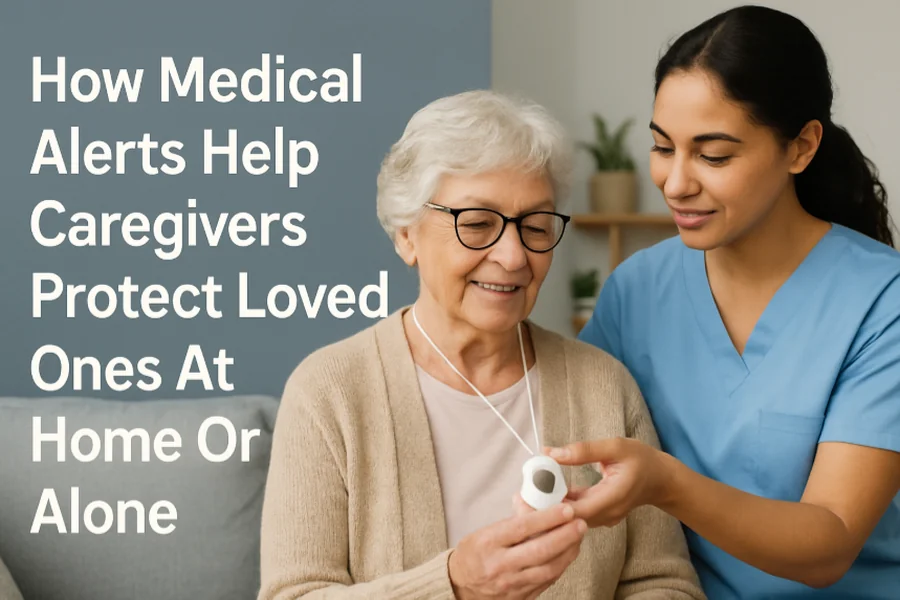
Taking care of a loved one, be it an aging parent, a spouse with a chronic illness, or a family member recently recovering from surgery, is one of the most meaningful yet challenging things in life.
Enter modern medical alert systems not as a replacement for human care but rather as a supplement to it.
Much more sophisticated than the conventional devices of the old days, these modern gadgets are smart, unobtrusive, and extremely helpful for real-life demands. They can do everything, from automatic fall detection to GPS tracking, and two-way communication is an unseen guardian that effectively assists when it becomes necessary.
Therefore, whether your loved one is at home alone, outdoors, or residing independently in another town, these systems allow them to have assistance at the touch of a button or automatically.
Want to learn more?
These are some of the primary means by which medical alerts assist caregivers in safeguarding their loved ones.
1. Vigilant Observation, Even from Afar
Ensuring the safety of a loved one when left alone is one of the greatest issues that most people encounter.
For example, during a short trip to the grocery store or a long day at work, the lurking fear never quite subsides. For this reason, the modern medical alert system is an electronic safety net, sensing the danger and responding quickly in the event of an emergency.
Automatic fall detection has become a standard feature of many systems because falls are a significant source of injury in seniors. In this context, once the fall is detected and the person is not responsive, the device can automatically call a 24/7 emergency response center.
To the caregivers, this will mean that they no longer need to depend on their patient to press a button following an accident.
2. Independent Living with Backup
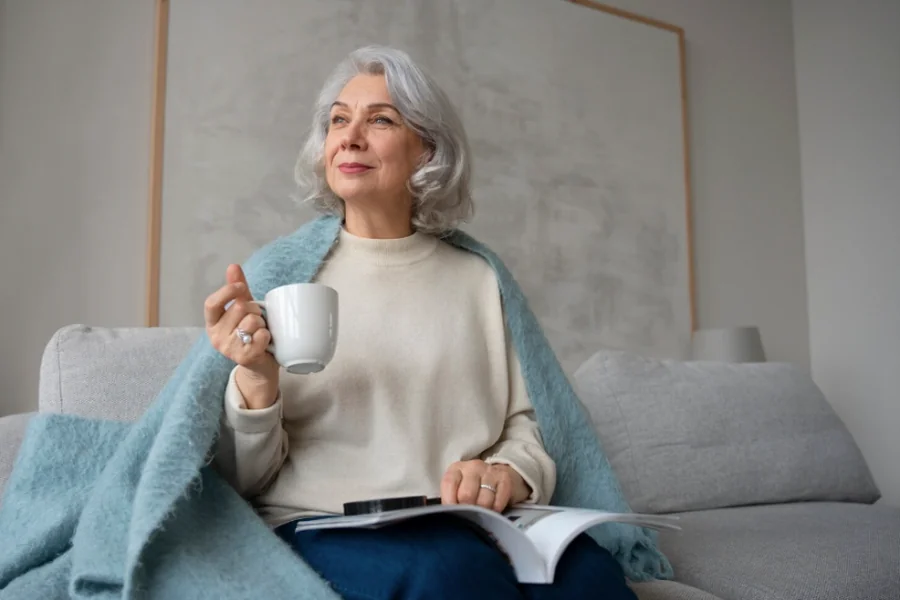
Medical alerts provide families with a perfect balance between independence and safety.
So, rather than taking their loved one to full-time care or assisted living too early, you can equip them with alert systems to allow them to live longer at home and stay safe.
Caregivers can also assist the patient who is still willing to walk, tend to the garden or run errands using a GPS-enabled system.
This geo-fencing feature alerts them when the senior has wandered too far, which is helpful, particularly for individuals with memory loss and early-stage dementia. It is the kind of independence that gives the senior dignity and reduces strain on the caregiver.
3. Peace of Mind during Nighttime and Private Times

Disasters are not time-bound. During the night, when people are not awake or around, a stroke, a sudden attack of dizziness, or a fall can occur.
Medical alert systems can provide peace of mind during these hours by alerting emergency response centers to get immediate help. This way, they ensure that protection is not hampered even at the most inaccessible or defenseless times.
These devices can also be voice-activated or worn during showering, where people tend to slip, leading to a hazardous situation.
4. Emergency Communication Streamlined
During the crisis, proper, fast and clear communication matters.
For this reason, medical alert systems have built-in speakers and microphones, which enable two-way communication with a trained emergency responder. It prevents the necessity of a caregiver or a loved one searching for a phone and dialing numbers under duress.
Some systems even allow guardians to be automatically notified if their loved one presses the alert button. Hence, whether in the next room or across the city, you will be given an immediate update, enabling you to respond with speed or contact emergency authorities if necessary.
5. Supervising Chronic Health Problems
Falls are not the only use of medical alert systems. Additional features of some devices are designed to monitor people with chronic health issues, like diabetes, heart disease, or epilepsy. This form of monitoring provides an extra layer of safety to caregivers of an individual who has complex medical needs.
Certain devices also integrate with health tracking tools or medication reminders. As a result, it will help in ensuring that the treatments are not delayed and early symptoms are not ignored. Hence, it becomes a bonus support system when one is handling a variety of duties or when there is more than one caretaker.
6. Reducing the Emotional Burden
Another thing about caregiving that is commonly ignored is the emotional burden. It can induce burnout due to constant supervision, worry, and fear of missing something that matters. Although medical alerts cannot address all the challenges, they alleviate mental stress considerably.
The sense that emergency help can be easily reached by the senior, even without their presence, will serve as a stress-reliever.
It helps the caregivers go out on errands, have a break, or even sleep through the whole night because the alert system assures the safety of your loved one.
Conclusion
Medical alert systems aren’t just about buttons and beeps—they’re about building a bridge between independence and safety, presence and peace of mind. Moreover, for caregivers, they serve as silent partners: always on, ready, and watching where you can’t be.
Whether it’s ensuring help arrives in a fall, checking in through GPS tracking, or simply knowing your loved one can reach someone at any hour, these systems lift a tremendous emotional weight.
Thus, in the ever-evolving journey of caregiving, medical alerts empower both you and your loved ones to live with more freedom, confidence, and connection—even when miles apart.