Minimalist Living: Simple Ways To Incorporate It Into Your Life
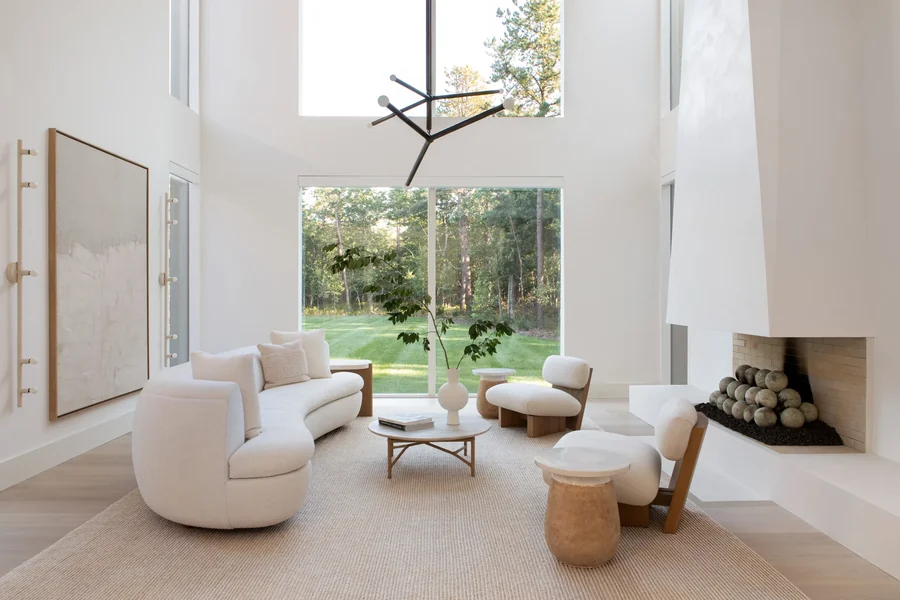
When life starts to feel crowded, it’s rarely that you need more space – it’s usually that you don’t need all the things. A happier life begins when you stop filling every corner, moment and plan with things that drain your time and energy. Minimalism invites you to slow down and make room for what matters. The beauty of this mindset is that it isn’t about depriving yourself; it’s about creating an environment that supports clarity, wellbeing and balance. Many people discover that when they strip back the excess, they finally have the mental stillness to enjoy the things they truly care about.
Clear your physical space
Start with what you see every day. The piles of clothes. The drawer you avoid opening. The stack of half-used notebooks. These all demand attention. Choose one small area and go through each item – decide whether you truly use or value it.
Removing physical things you no longer need takes a weight off your mind. And you’ll hopefully find you spend less time tidying because there’s simply less to manage. Keep what supports your current lifestyle rather than a past version of yourself. Minimalist living isn’t about having empty rooms; it’s about letting each item earn its place. When everything you own has purpose, your home feels calmer, lighter and easier to move through. You may even discover newfound appreciation for the pieces you decide to keep.
Practise mindful consumption
Minimalism is also about how you bring new things in. Before you buy something, pause and ask whether it serves a real purpose or just fills a momentary want. When you buy with intention, you spend less and appreciate what you already own more.
For example, investing in one well-made coat that lasts for years can save both space and money compared to buying several cheap ones each season. Choosing quality over quantity also helps reduce waste – a small yet meaningful step toward sustainable living.
Rethink your life choices
You can extend minimalist thinking beyond your wardrobe and home. Consider how you move through the world – both literally and figuratively.
Owning a car might seem essential, but it often brings costs and commitments that don’t suit everyone’s lifestyle. If you only need a vehicle occasionally, borrowing a car and using one-day car insurance can give you flexibility without long-term expense or maintenance worries.
The same principle applies elsewhere: choose arrangements that fit your real needs instead of defaulting to what’s expected. Whether it’s where you live, how you work or how you spend your free time, prioritise choices that bring calm and freedom rather than constant obligation.
Manage your digital time
Your digital life might be as cluttered as your physical one. Endless notifications and scrolling habits can quietly steal your focus. Try unsubscribing from newsletters you never read and deleting unused apps.
Set clear times to check messages rather than reacting to every alert. This approach can help you regain control of your attention. You’ll find more mental space for hobbies, rest or time with friends, instead of drifting from one online distraction to the next. Digital minimalism isn’t about avoiding technology; it’s about using it in a way that supports your life instead of overwhelming it.
Bringing it together
Living with less means designing a life that feels intentional – a steady, practical path to greater ease, awareness, and perhaps lasting happiness. Minimalism offers a gentle reminder that you don’t need more to feel whole; you simply need space for what truly matters. Whether it’s clearer rooms, quieter routines or more mindful choices, each step helps you create a calmer, more grounded way of living.