The New Wave Of Simple, Sustainable Health Habits
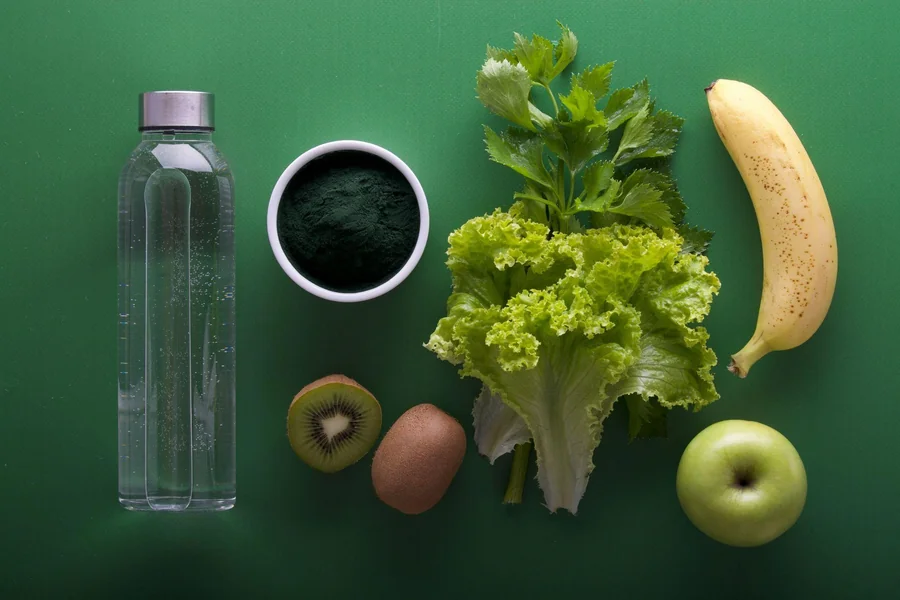
The wellness world is shifting. After years of intense detoxes, rigid meal plans, and high-pressure fitness challenges, people are turning toward habits that feel gentler and easier to maintain. For many, that means prioritizing small daily choices, choosing foods that feel nourishing, adjusting sleep routines, or taking personalized supplements like bariatric vitamins to meet their body’s needs without overcomplicating things. This new wave of simplicity is quietly redefining what healthy living looks like, replacing intensity with intention.
More than ever, people want routines they can actually stick to, not programs that burn them out. Health is becoming more about sustainability than spectacle, and that shift is influencing nearly every aspect of modern lifestyle.
A Move Away From All-Or-Nothing Wellness
For years, wellness culture leaned heavily into extremes. Whether it was strict food rules, high-intensity workout plans, or lengthy morning routines, the message was often the same: more effort equals better results. But people are discovering that constant intensity isn’t sustainable, and often isn’t even necessary.
The new approach leans toward balance. Instead of jumping into drastic changes, people are choosing habits that feel realistic. They’re abandoning the idea that health comes in a “perfect” form and recognizing that progress can also be slow, gentle, and steady. This shift is less about giving up and more about honoring real life: work schedules, family responsibilities, energy levels, and everything in between.
Simplicity isn’t less effective. It’s simply more honest.
Why Small Daily Habits Create Bigger Long-Term Change
Small habits often feel insignificant in the moment, yet they create the foundation for major lifestyle transformation. A nightly wind-down ritual, a short daily walk, choosing whole foods more often, or taking supplements that match your body’s needs may not sound dramatic, but the long-term effects are meaningful.
According to the Cleveland Clinic, consistent micro-habits support better stress management, healthier metabolism, improved mood, and more stable energy throughout the day. When habits become so simple and friction-free that they blend into your routine, they become sustainable. And sustainability is what turns choices into lifestyle.
Small habits don’t demand perfection. They build momentum.
Rituals That Support Balance Rather Than Burnout
Modern routines are no longer about doing “everything right.” Instead, people are embracing rituals that help them feel grounded. A slow morning with a few minutes of quiet, preparing a nutritious breakfast without rushing, setting aside time to unwind at night, or simply honoring personal boundaries throughout the day are all part of this shift.
These rituals don’t require special equipment or complicated planning. They require presence. When routines feel calming instead of demanding, they support mental and physical health in a much deeper way. They turn everyday actions into meaningful touches that shape the emotional tone of the day.
Nutrition That Feels Nourishing, Not Restrictive

Gone are the days of strict meal plans and guilt-driven eating habits. People are increasingly choosing foods that feel nourishing, energizing, and satisfying. This means listening to hunger cues, embracing balanced meals, and recognizing that food should be supportive, not stressful.
Some also incorporate supplements that match their specific needs, not as a shortcut but as a way to support overall wellness in a straightforward way. Personalized options like bariatric vitamins or simple nutritional add-ons help people meet their requirements without turning daily nutrition into a complex project.
This approach focuses on how food feels, not just how it looks on paper.
Movement That Respects Your Body
Fitness culture has evolved dramatically. Instead of pushing through intense workouts every day, people are gravitating toward movement that honors their energy, mood, and physical ability. This includes walking, stretching, yoga, casual strength training, dancing, or any activity that brings enjoyment.
Movement is becoming more about connection than competition. It’s about treating exercise as a form of care, not punishment. When movement feels good, people stick with it. And when they stick with it, the benefits multiply naturally.
This softer approach to fitness doesn’t diminish results, it enhances longevity.
Rest As A Foundational Wellness Habit
Rest is no longer viewed as the opposite of productivity. It’s becoming its own form of strength. Sleep, breaks throughout the day, and mental downtime are all recognized as essential components of health.
People are learning to schedule rest as intentionally as they schedule work. A moment of deep breathing between tasks, a short pause away from screens, or a consistent bedtime routine can shift the quality of an entire week. Rest may feel passive, but its effects are powerful: sharper focus, better mood, and more emotional resilience.
Sustainable wellness cannot exist without rest.
Simplifying Wellness To Make Space For Life
The rise of simple, sustainable health habits reflects a broader cultural shift: people want to feel good without constantly striving for perfection. They want routines that integrate seamlessly into their daily lives, not ones that add pressure or overwhelm.
This new wave of wellness is about creating space, space for joy, for rest, for steady routines, and for habits that support long-term wellbeing. It’s about choosing what feels right rather than what looks impressive.
In the end, sustainable health isn’t defined by the intensity of your efforts. It’s defined by the consistency of the small choices you make every day, the ones gentle enough to become part of your life, and powerful enough to shape it over time.